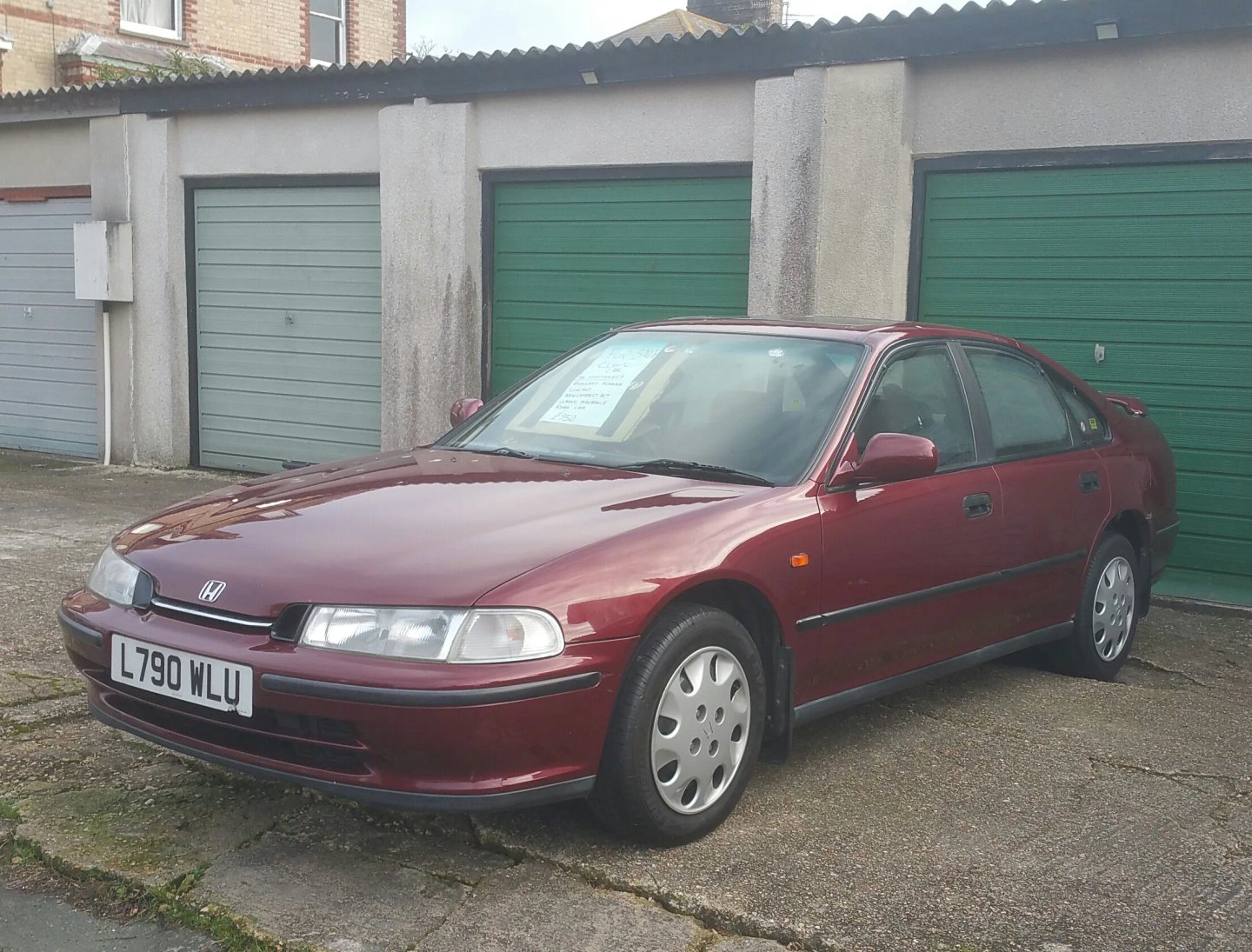
A dealer in old postcards sold for 8.1% more on eBay under their own name than under a new one. A private owner selling a Porsche 964 has no such name and would not get much from one. The dealer has to sell again next week. The owner does not.
The experiment is by Paul Resnick, Richard Zeckhauser and two colleagues, published in 2006. The dealer had an account with about 2,000 positive ratings and one negative. He created seven new accounts with no history and for twelve weeks offered comparable sets of cards, one under their own name and one under a new name. The median selling price was $14.99, so on a set like that his name was worth about $1.21. Zeckhauser called that small and thought it might count for more on expensive goods.
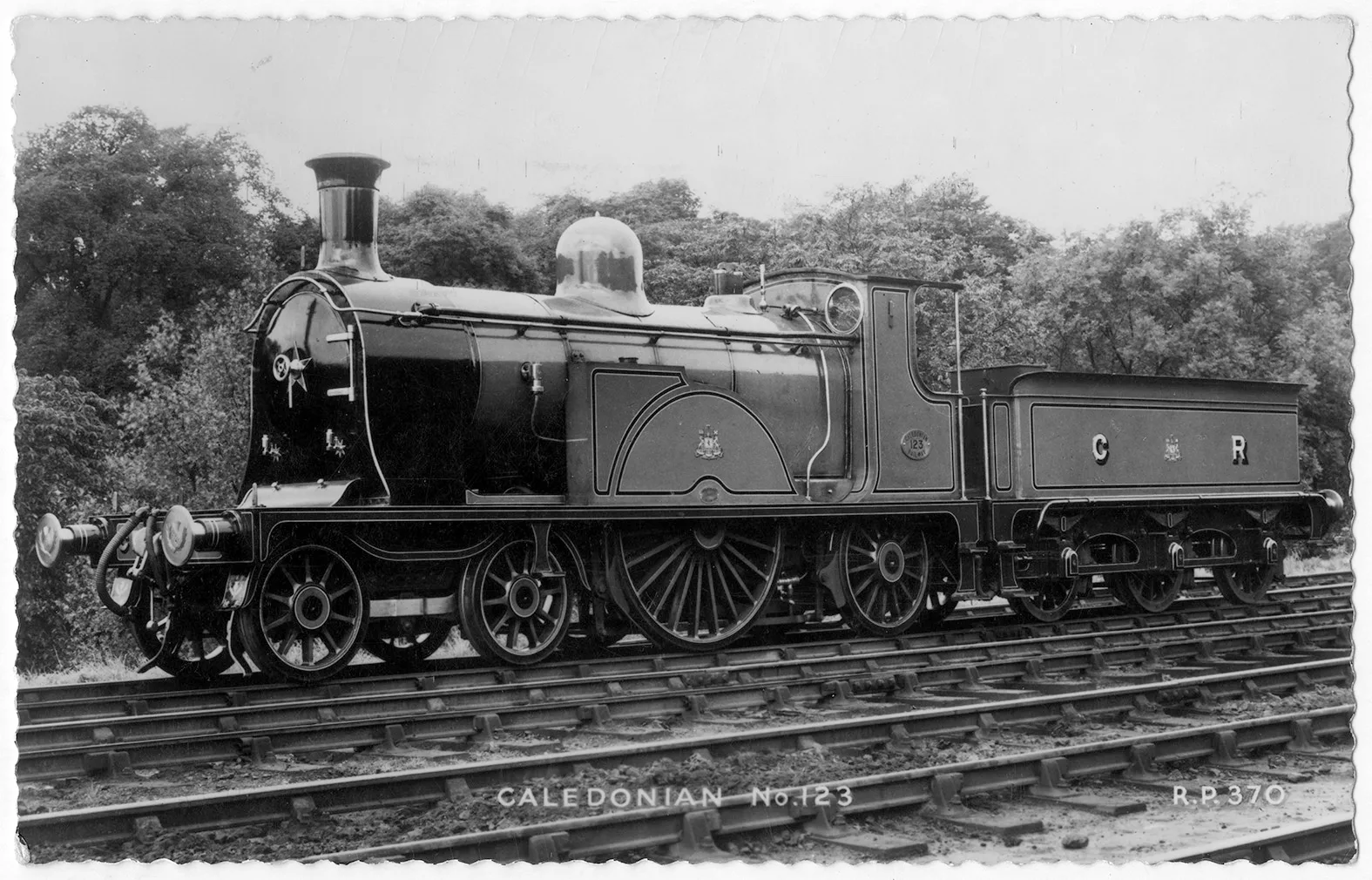
An old postcard, found at Spitalfields antique market in 2002. This is the kind of trade the measurement was made on.
What a reputation really is
A reputation is not a summary of the past. It is a deposit. Benjamin Klein and Keith Leffler set this out in 1981: a seller who can charge more because buyers trust them loses that premium the moment they cheat, so their future profit stands surety for today's deal. Robert Axelrod called the same mechanism the shadow of the future. Cooperating pays if the chance of meeting again is high enough. If it is low, each encounter is one-off and cheating pays best.
Run the sum, using figures that are assumptions. Say a dealer sells 60 cars a year at €6,000 gross margin, which makes €360,000. They know a car has a €15,000 engine problem and say nothing. If that comes out and costs them 5% of their sales, they are €18,000 down, every year after that. Keeping quiet does not pay. Part of what the buyer pays in margin is the price of that deposit. That deposit holds for as long as the dealer carries on. A dealer who stops next year or starts again under another name is in the last round, just like the private owner.
Now a private owner with the same car and the same problem. They sell once a decade. Their account on a classifieds site has 40 positive reviews, earned on a bike rack and a child seat. What do they lose if it comes out? That score and an unpleasant conversation, against €15,000. This is why a score helps so little here: it was built on small sums and does not stand surety for a large one.
All this is about incentives and not character. Most private sellers are honest. The buyer just cannot see which ones, and the honest seller pays for that distrust too. In the experiment, one or two negative ratings did the new accounts no further damage, probably because buyers did not trust them anyway.
The private owner also has something the dealer lacks: they know the car. Someone who has driven it for twelve years knows how it behaves in traffic at 30 degrees. The dealer has only just got it. So knowledge and incentive sit with different people. The buyer wants both and usually gets one. Research on used cars on eBay shows something similar from the other side: a warranty raises the price, but less as the seller's reputation gets stronger. Both say the same thing, that it costs the seller something if the car disappoints. In a private sale both are usually missing.
What buyers look at instead
So buyers look for substitutes. None has been measured the way the postcards were, so what follows is reasoning and not proof. The test is always the same: what do they lose if they lie?
Length of ownership is no deposit and works differently. Someone who knew of an expensive fault could have sold at any point in twelve years. Holding a car costs storage, insurance and servicing. Nobody pays that to hide a problem. Waiting is expensive for someone flipping cars and not for a contented owner, and that difference makes it a signal. In the Netherlands the date of the last registration is in the public RDW vehicle register, so the claim can be checked. But long ownership is also how servicing gets skipped for twelve years, so it says something about motives and nothing about the car.
Answers are a small deposit by way of the law. Research on eBay Motors describes a listing as a precise contract: the car as shown, for the closing price. What was in the listing helped decide what people bid. "Everything works" costs nothing. "The air conditioning was recharged in 2019 and now cools to about 12 degrees" is something a person can measure, and then the seller has something to lose.
The specialist who looked after the car passes the same test. They are not selling it and have no stake in the price, but they do need customers from the same circle next year. Their name is on the invoices and their number can be found. A buyer can ring them, and what they say then is worth more than what the seller says about them.
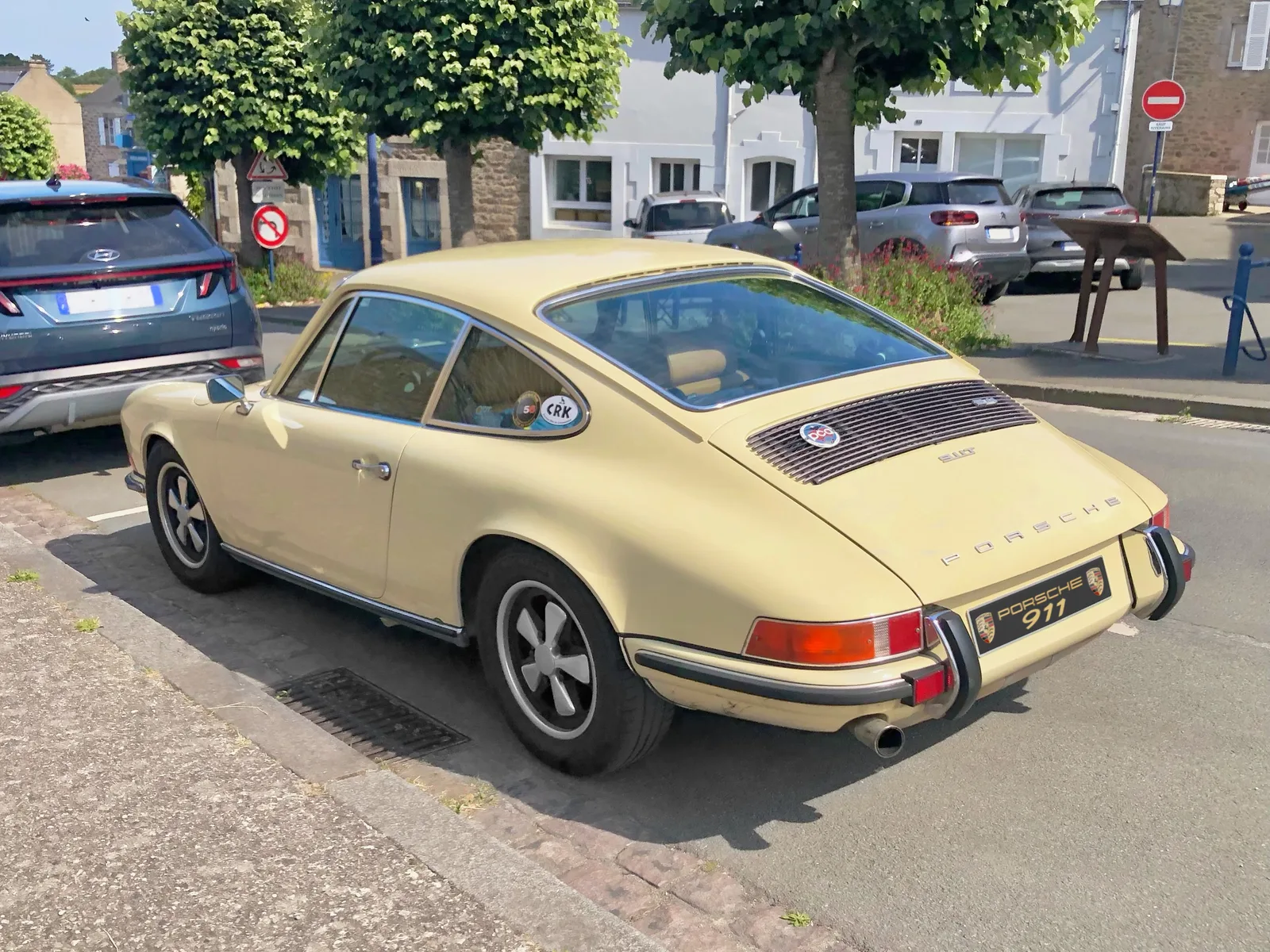
A 1973 Porsche 911 T with the enamel badge of the Porsche Club of America on its engine lid.
A club does something else. A club restores the repeated game. Someone selling their Porsche to a fellow member will see that buyer on the next run, or else the people who know them. They sell a car once, but they stay a member for years. The shadow is back, and nobody had to arrange it. The weak point is duration. Someone who joined only in order to sell has staked nothing. Twelve years of membership cannot be bought on the day. It says nothing about the car either. It only says a bad car will cost the seller something.
On the Mart, the classifieds site of the Porsche Club of America, anyone can read the listings. Placing one is free for members. The seller's contact details are visible only to those who are members too.
Images: Honda Accord (1994) (49433855083) by Andrew Bone from Weymouth, England (CC BY 2.0); Caledonian No.123 postcard by Unknown author Unknown author (public domain); Porsche-911-T-2.4-Classic-1973-LightIvory131-RAL1015-ARG-badgePCA-byRundvald by Rundvald (CC BY-SA 4.0). Images resized.


