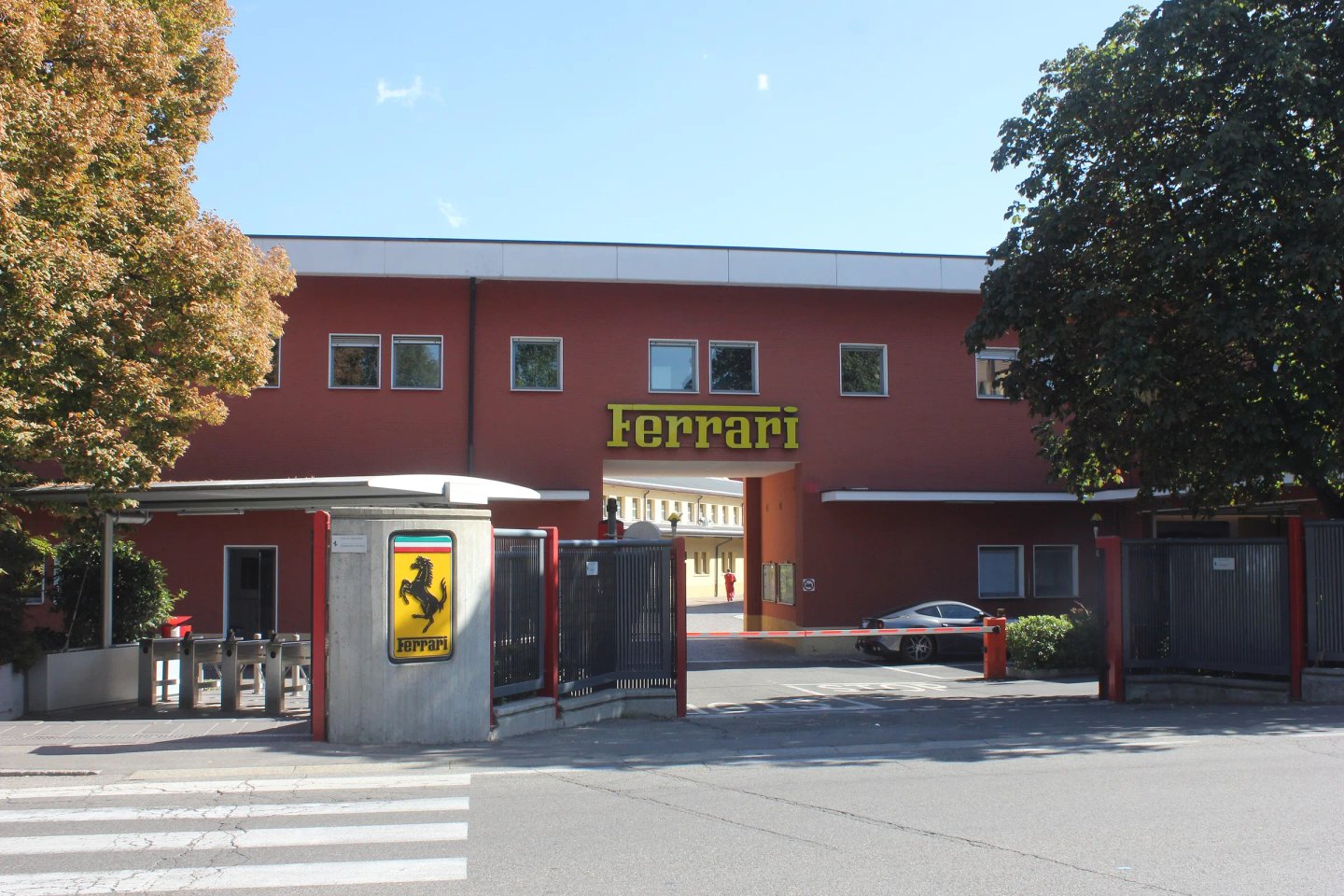
The usual explanation is one man. Ferrari is in Maranello, Maserati in Modena, Lamborghini in Sant'Agata Bolognese, Pagani in San Cesario sul Panaro and Dallara in Varano de' Melegari. The reason is called Enzo. He came from there, he drew the talent and the rest grew up around him.
If that were right, the region should have shrunk after he died in 1988. In 1990 Bugatti opened a new factory near Modena. In 1991 Dallara put up a 3,500 square metre plant in Varano. Horacio Pagani went into business for himself that year. In 2018 Unioncamere counted over 16,000 firms and almost 69,000 workers in the sector in Emilia-Romagna, with more than €21 billion of revenue. The count is wide, with trade and services included. Even so, the six famous brands accounted for only a little over €8 billion. Almost two thirds of the money is not with the names that fit on a poster.
What Marshall wrote in 1890
In his Principles of Economics, Alfred Marshall gave a whole chapter to industries that cluster in one place. He offered three reasons that still hold. A constant market for skill: employers go where the skilled people are and skilled people go where the employers are. Suppliers, which appear once there are enough customers to live on. And knowledge, which circulates without anyone handing it over: "The mysteries of the trade become no mysteries; but are as it were in the air." A century later Michael Porter made the word cluster out of it.
Marshall had room for Enzo too. He names the court as a cause: rich patrons who demand top quality, draw craftsmen from a distance and train the people on the spot. That is a fair description of Ferrari. But a court explains the start, and Marshall adds that a town losing its court often carries on with the trade. Modena already had a carmaker before Ferrari began in 1947, for that matter: Maserati came over from Bologna in 1939 and 1940.
Why leavers do not go far
The labour market is the easiest part to see. In 1961 Carlo Chiti and Giotto Bizzarrini left after a row at Ferrari, the Palace Revolt. Their own ATS was out of Formula 1 within a few years. But Bizzarrini went on to draw a V12 for Ferruccio Lamborghini, a tractor maker who wanted to build cars. That engine stayed the basis of the big Lamborghinis for nearly fifty years. Lamborghini's chief designer became Gian Paolo Dallara, who had started at Ferrari and came via Maserati. He worked on the Miura and set up on his own in 1972.
Another stretch of the chain runs through Maserati. Alejandro de Tomaso, an Argentine who had started in Modena in 1959, took over Maserati in 1975 and dismissed its chief engineer, Giulio Alfieri, on day one. Alfieri became technical director at Lamborghini. There, in 1982, he took on another Argentine, Horacio Pagani, who started by sweeping floors. When Lamborghini would not buy an autoclave for carbon fibre, Pagani borrowed the money and bought his own. In 1991 he left with a firm of his own, making parts for Ferrari and Daimler among others. The first Pagani came eight years later.
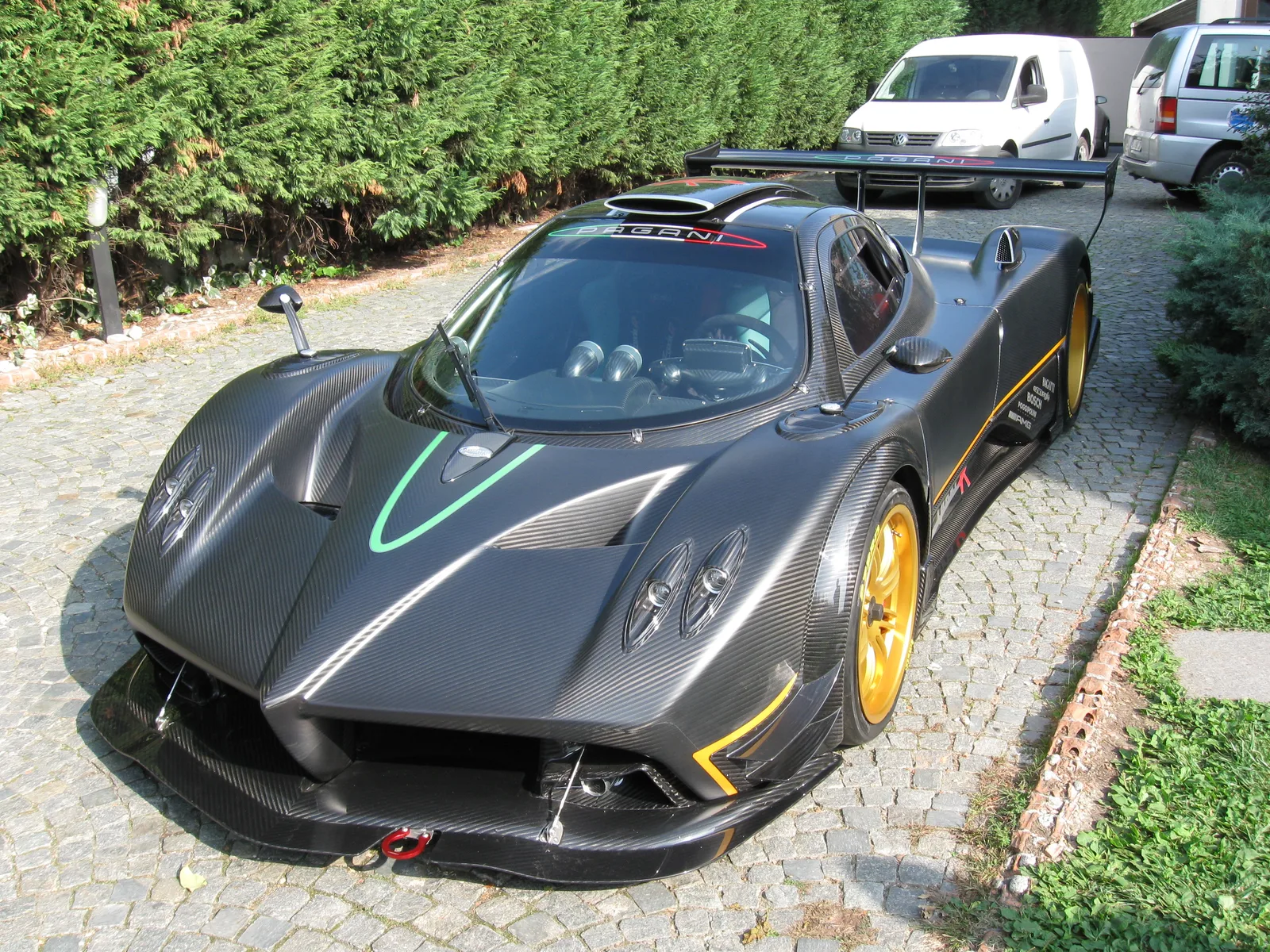
A Pagani Zonda R in bare carbon fibre, at the workshop near Modena.
The economist Steven Klepper saw the same thing in Detroit, where more than a hundred car firms started up. He looked for a cluster's engine less in Marshall's air and more in spin-offs: employees who leave after a disagreement and do not go far, because their customers, suppliers and homes are there. That gives Enzo a role after all, though not the one in the story. His rows mattered to the region at least as much as his cars.
A French marque near Modena
The sharpest test is a company with no tie to the region. When Romano Artioli set out to revive Bugatti in the late 1980s, a marque from Alsace, he had a factory built at Campogalliano, just outside Modena. The engineering came first from Paolo Stanzani, known for the Miura and Countach. Then came Nicola Materazzi, who had worked on the 288 GTO and F40 at Ferrari. Those people did not live in Alsace.
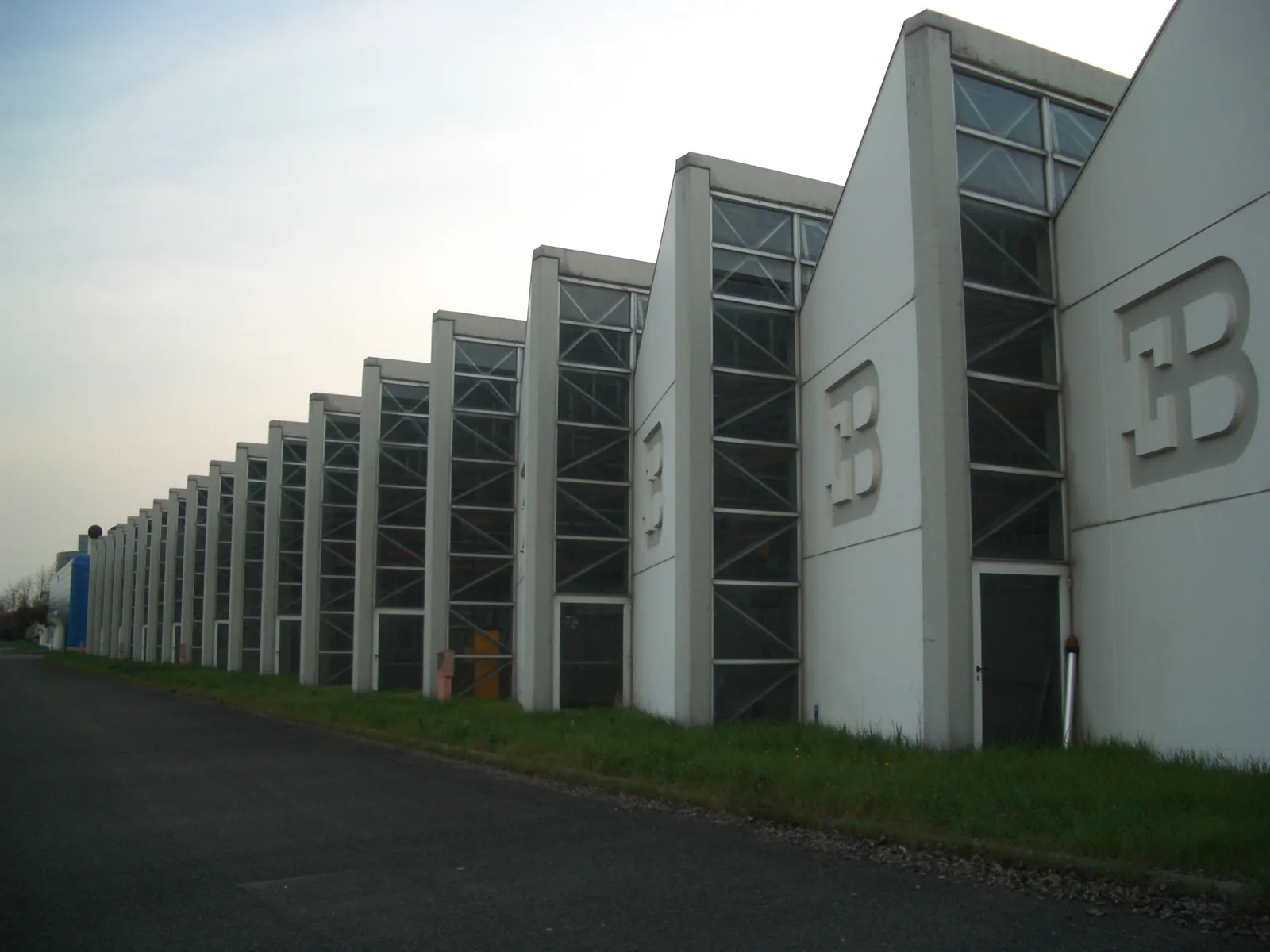
The Bugatti halls at Campogalliano, with the EB logo still on the walls.
By 1995 it was over, and that belongs here as well. A cluster does not pay the bills. Silk-FAW promised €1 billion for electric hypercars in Reggio Emilia in 2021. It withdrew in March 2023 without having bought the land. The region supplies people and parts. The exhaust maker Duerre Tubi Style in Maranello found about 70% of its suppliers within 100 km in 2020. Capital and customers have to come from somewhere else.
The same mechanism without an Enzo
Britain is the control group. Motorsport Valley, around Oxfordshire and Northamptonshire, counted about 4,300 firms and more than 40,000 workers in 2020. It has no Enzo and the same family tree. Keith Duckworth and Mike Costin came out of Lotus and started Cosworth in 1958, later in Northampton. Mario Illien and Paul Morgan worked at Cosworth, disagreed about an engine and started Ilmor in 1983, in Brixworth, a village just north of Northampton.
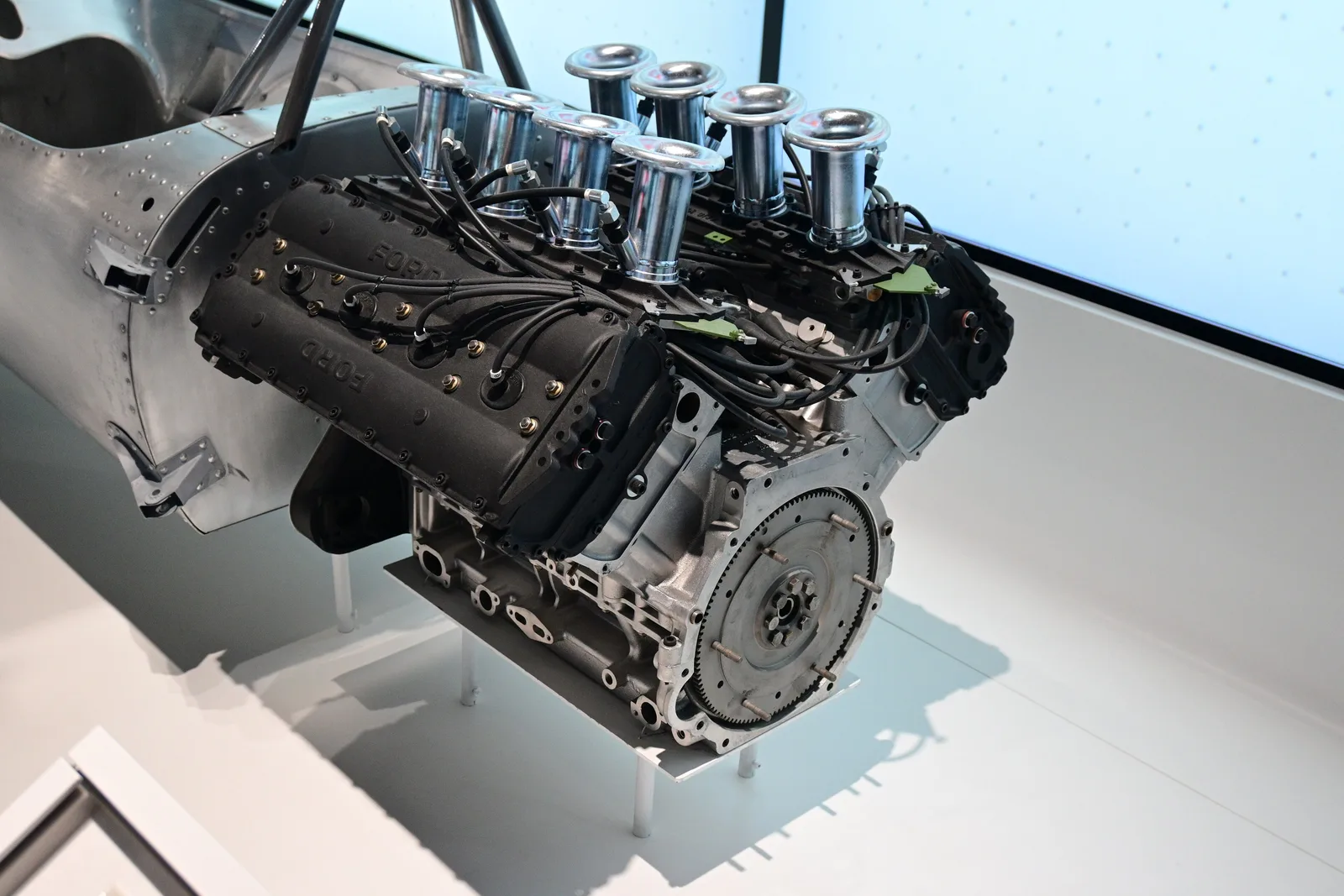
A Cosworth DFV on a replica of the Lotus 49. The men who built that engine had left Lotus.
The product differs. Britain mostly sells parts, chassis and know-how to racing teams. Emilia sells cars to customers. That says something about the first firm in each region and little about the mechanism. The two know about each other. In 1988, with Enzo still alive, Ferrari paid for a design office for John Barnard in Guildford, Surrey. He wanted to be away from the factory and the Italian press. The region's best-known firm was having its Formula 1 car drawn in the other cluster.
What to watch
If Marshall and Klepper are right, the next chapter will not be found in Ferrari's boardroom. In June 2024 Ferrari opened its e-building in Maranello, where electric motors and battery packs are also built. It trained over 300 people in battery chemistry and assembly. The region had little of that knowledge. Suppose one of those people falls out with their boss one day and starts making battery modules for Pagani and Lamborghini thirty kilometres away. Then the cluster has its next product. That entry in the Modena chamber of commerce register will say more than the next press release from Maranello.
Images: Ferrari Factory (Maranello, Modena) in 2018.08 by CAPTAIN RAJU (CC BY-SA 4.0); Pagani Zonda 1 by LarryStevens (CC BY-SA 3.0); BUGATTI AUTOMOBILI by Stefano Mecchia (CC BY 2.0); Ford Cosworth DFV Engine at Formula 1 Exhibition, London by Hullian111 (CC BY-SA 4.0). Images resized.


