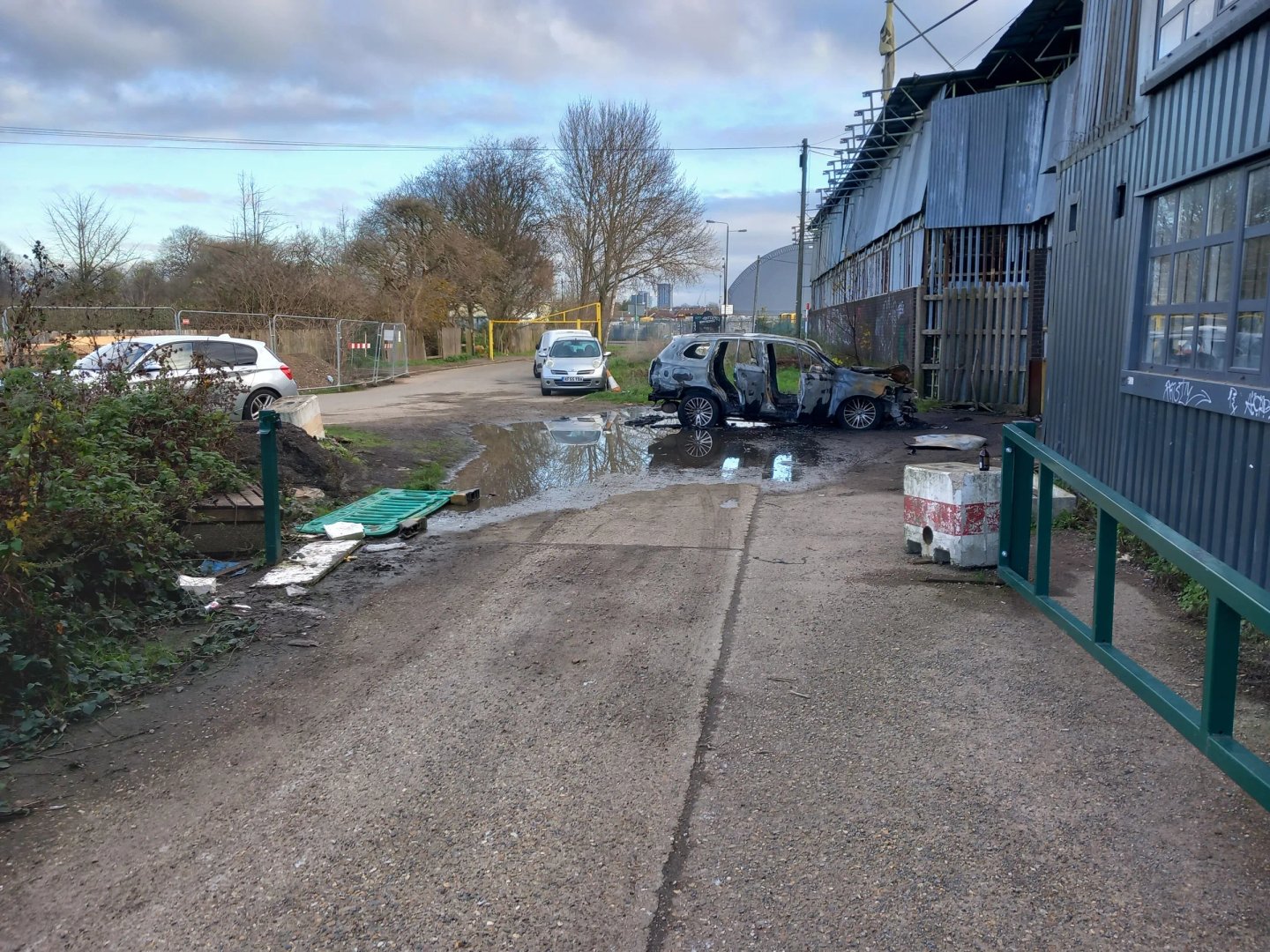
What is a car worth when there is no longer a car to look at? After a fire or a theft, someone has to put a figure on it. On a total loss, says article 7:958 of the Dutch Civil Code, the insurer pays "the value of the insured interest". How you find that value, it does not say.
For an ordinary car there is plenty to look up. For a classic with a handful of examples for sale in Europe, there is not. And at that moment two parties who both know exactly what each euro costs them are negotiating over something neither of them can inspect any more.
Two sentences in the Civil Code
Dutch classic car policies and appraisal reports refer to article 7:960. It is short. The first sentence says the insured party receives no payment that would leave them clearly better off. This is the indemnity principle: insurance makes good a loss, and you may not profit from it. The second sentence switches that rule off where the value was appraised in advance by an expert, or on an expert's advice.
So an appraisal does not prove the car is worth that much. It takes the question off the table. Insurer and owner fix a number while nothing has happened and nobody knows whether it will ever be needed. Beforehand, that is an agreement between two parties in no hurry. Afterwards, the same question is a dispute.
Here is how it looks in policy terms. Under Avéro Achmea's classic car cover (January 2023 edition), an owner with a valid report gets the amount in that report on a total loss, less the value of the remains. The report must cite article 7:960 and come from an appraiser recognised by FEHAC (the Dutch federation of historic vehicle clubs). Without a valid report, the wording is: "Onze expert bepaalt de waarde", our expert decides the value. Unigarant pays current market value in that case.
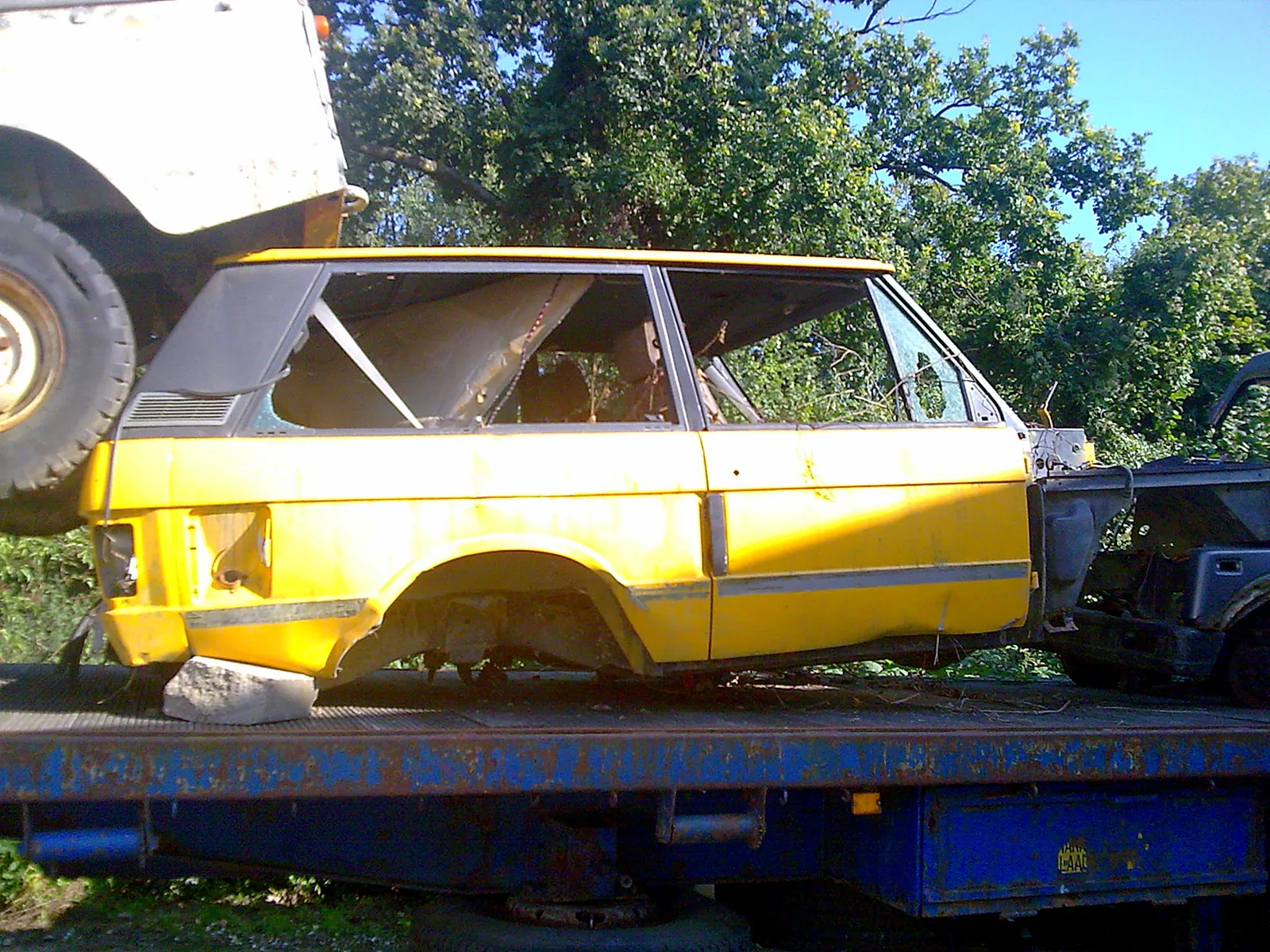
A three-door Range Rover Classic on a lorry, in the yard of a repair shop in Méru, France.
How strong that expert's position is shows in a ruling by Kifid, the Dutch financial complaints body, dated 15 April 2020, about an ordinary car. A consumer who had caused a collision thought their insurer had paid too much for the other driver's car. The expert put its current value at €2,500. The consumer pointed to a car-buying website that said €1,818. The committee ruled that an insurer may in principle rely on the expert's report unless someone can show why not. Without a counter-expert, they lost. That is a 37% gap on a car anyone can look up.
For a rare car there is no website to point to. There are asking prices, and those are not transaction prices. There are auction results for other examples in other condition. Anyone wanting to show the expert is wrong has to bring in a counter-expert, with invoices and photographs of a car that no longer exists. In 2009 the Dutch insurer Europeesche Verzekeringen asked more than 400 classic owners. About half had never had the car appraised, and nearly a third of those saw no need. The figure is old, and we have not found a newer one.
Where the three years come from
Article 7:960 contains no time limit. On three years the law is silent. The term comes from the policy: Avéro Achmea and Unigarant require a report no more than three years old, and Alpina writes that appraisers usually state 36 months and that insurers also use shorter periods. It is a contract term, and contracts differ. What applies to a given car is in its own policy.
Why would an insurer want a time limit? Our reading: because the article's second sentence switches off the rule against profiting from a loss. While the report stands, the insurer pays the agreed sum, even if the market has fallen since. Three years limits how far that number can drift.
In three years it can drift a long way. Hagerty reported that the median price of a Porsche 993 in excellent condition rose 31% between January 2014 and January 2017, and more than 70% for some models. Say a 993 gets a €60,000 report in January 2014. The figures are an example. Three years on, at that median, it is worth €78,600, and the report, just still valid, is €18,600 too low.
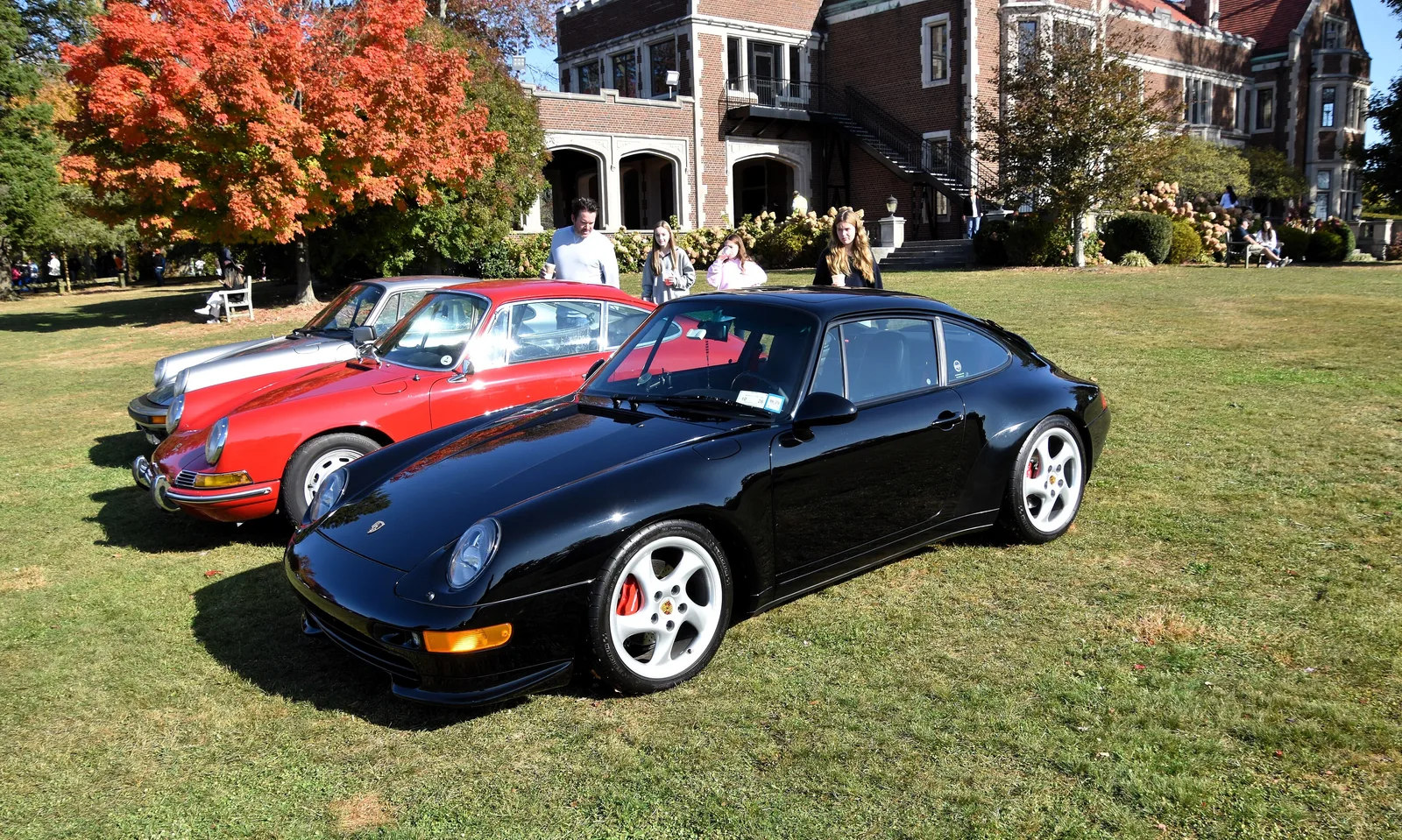
A 1995 Porsche 911 Carrera 4 (993) at a car day. Hagerty's 31% is a median and says nothing about this variant.
A low number costs money in another way too. Avéro Achmea repairs up to two thirds of the report amount, and above that pays out the report amount less the remains. On that €60,000 report the line sits at €40,000. Damage of €45,000 then makes the car a write-off, although it is worth €78,600 and repairing it would pay. A fresh report would have put the line at €52,400.
In a falling market it turns round. A report from the peak is then worth more than the car, and the owner is in no hurry to renew it. They keep their high number until the 36 months are up. After that they fall back on what the expert says.
The date and the name
An appraisal does not cost much. Prices vary by appraiser, and one Dutch consumer site gives €150 to €200 for a classic. Nor does it solve everything. The number is an agreement between owner and own insurer. If someone else is at fault and the claim goes through their insurer, that insurer is no party to the agreement. That is our reasoning and not a ruling we can point to, but it follows from how the agreement comes about.
Anyone buying a classic with an appraisal in the folder of documents should read it in two places. First the date: the term runs from the day of the report, not from the day the policy starts. Then the name. Unigarant requires a report in the policyholder's name, and the paper in that folder carries the previous owner's.
Images: Burnt Out Car - geograph.org.uk - 7968865 by Burnt Out Car by The Bridge Engineer (CC BY-SA 2.0); Wrecked Range Rover Classic by Antonio d (CC BY-SA 3.0); Porsche 911 Carrera 4 (993, 1995) (54095877889) by Charles from Port Chester, New York (CC BY 2.0). Images resized.


