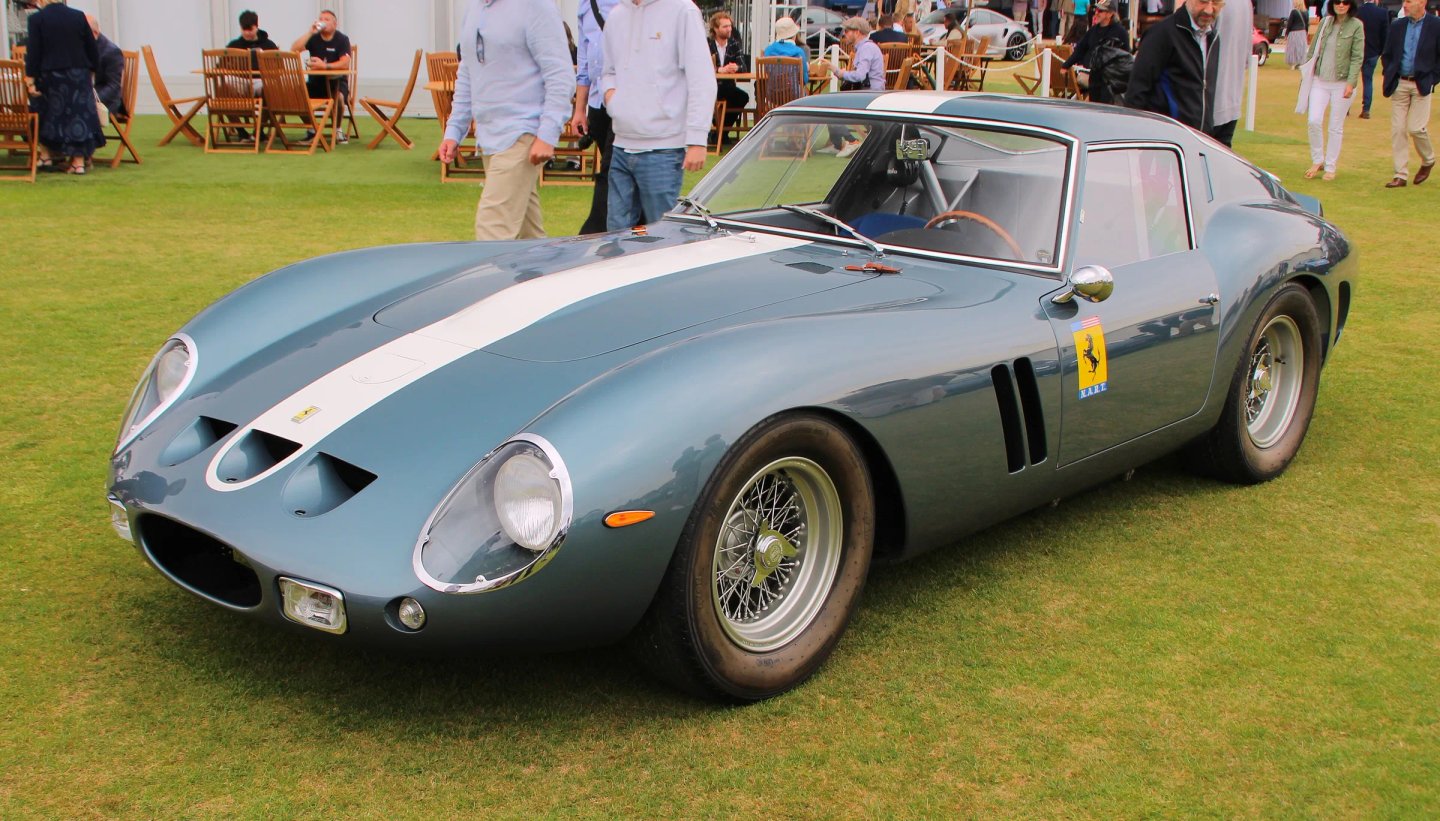
Matching numbers means that a number on an engine block or gearbox agrees with a number in an archive. That is the whole claim. Adverts often use it as though more had been established: that the engine has always been there, that the stamp came from the factory, that the car is honest. The number says nothing about those.
Any of those extras can be false while the numbers agree. The archive can be wrong. Michael Sheehan, a Ferrari dealer and columnist at Sports Car Market, wrote in August 2008 that Ferrari Classiche had admitted, after years of denial, that the factory had swapped serial numbers for carnet or tax purposes. The stamp can be younger than it looks. In the same column he describes a 250 GT California Spider with chassis 2377. It was unclear which engine it had, and Ferrari had the block restamped with a number to suit the chassis. Sheehan sells Ferraris himself and is no neutral witness.
And the part can have spent years somewhere else. On that, there is a judgment.
A gearbox worth half a million dollars
Bernard Carl, an American, bought the Ferrari 250 GTO with chassis 3387GT in 1997 and put it on the market in 2016. Its original gearbox, number N2, was no longer in it. It seems to have come out for repair and been replaced. How that happened, the London judge later called "not entirely clear". The gearbox was supposed to be somewhere at Canepa, a specialist in California, which at first could not find it.
The 2020 judgment gives the sums. Gregor Fisken, a British dealer, first offered $44.5 million without realising the gearbox was not original. Once that was clear, a $1 million retention was discussed. The contract of 18 October 2017 said $44 million, with a clause stating that the price reflected the missing gearbox.
That $500,000 gap is 1.1% of the first offer. It is not a clean measurement, because Fisken still hoped to get the gearbox. It is a rare figure all the same: what a missing match costs when two professionals negotiate it. The judgment records a suggested value for the gearbox itself of $500,000 to $1 million.
Carl did not deliver. Fisken sued and won, then won again on appeal. Both sides agreed the loss was no more than nominal. The judge ordered delivery regardless. Fisken argued that car and gearbox were each unique and that reuniting them would help his name as a dealer, and Carl could hand the part over without difficulty.
So a court can order a number back to its car. Who decides which number counts is a separate question.
The party that keeps the archive
At Ferrari, that is Ferrari. The Classiche department began in 2005 and its workshop opened in July 2006. A 250 from the 1960s had by then spent forty years on the road with the factory asking no questions, and an owner who needed an engine put an engine in.
Take a 1961 Ferrari 250 GT SWB, chassis 2563. In the 1970s it received engine 4467 from a 250 GT Lusso: a V12 from the same factory and the same years, only of a different type. Classiche would not certify the car like that. The owner bought a newly cast block from the factory foundry for about $38,000 and had an engine built around it for an estimated $30,000 or more, stamped with a Classiche number. In October 2006 the car sold in Geneva for $1,762,300. A block from 2006 counted for more with the factory than a block from the 1960s.
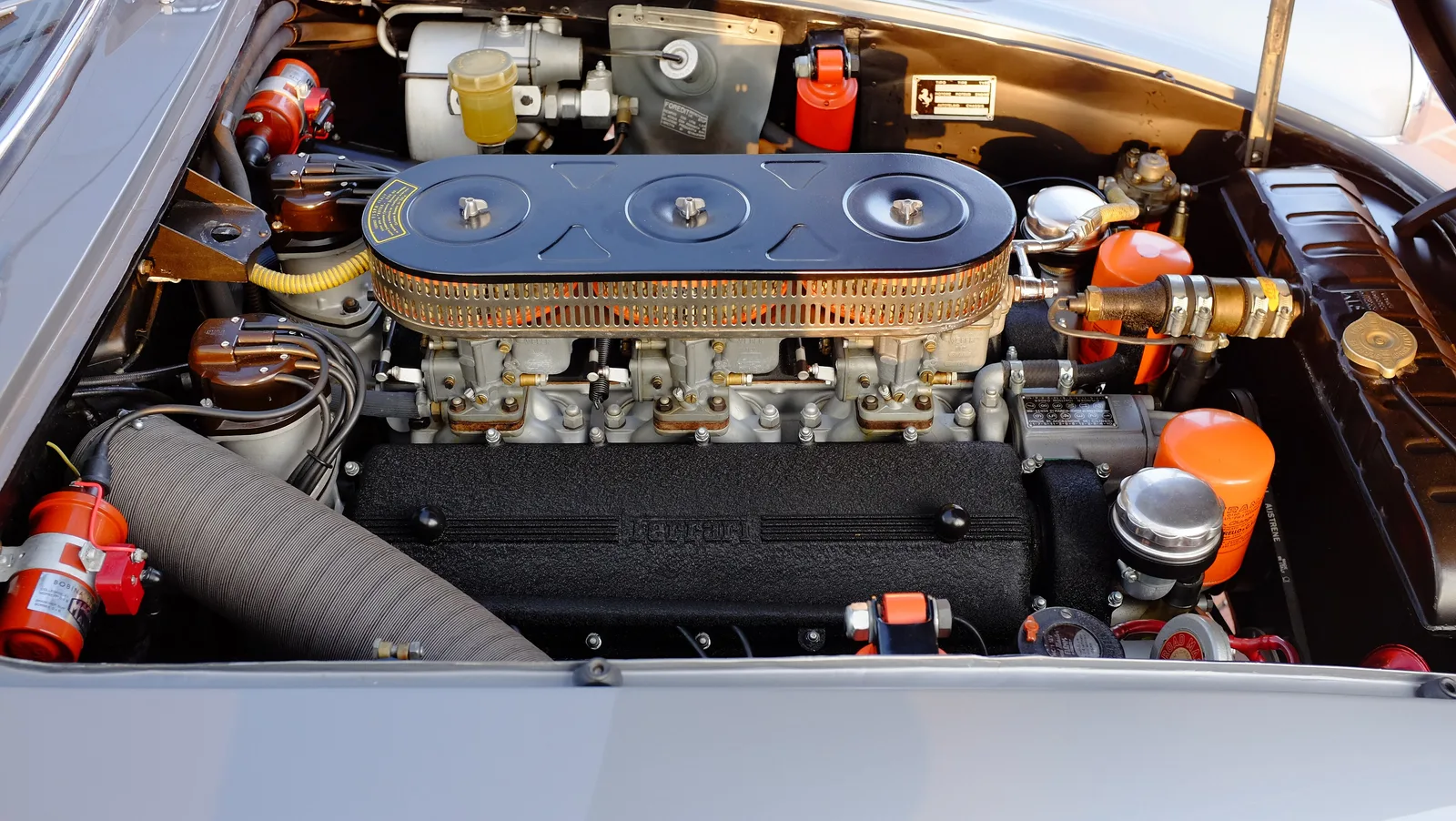
The engine bay of a 1963 250 GT Lusso, chassis 4393. This is the type that supplied the engine chassis 2563 was not allowed to keep.
Finance calls this issuer-pays: whoever is being rated pays the rater. It is a familiar complaint about credit rating agencies. Classiche goes a step further, because after a negative verdict the same factory supplies the remedy. Sheehan's site quotes $3,750 for a 308 and $16,250 for a 250 GTO, with research and metal tests on top. He puts the total takings at $36 million, which is his own sum. A Ferrari dealer describes the committee that decides as "a third-party body". Sheehan names Piero Ferrari, the company's vice-chairman, as its chair.
What counts can move as well. The Breadvan, the rebuilt 250 SWB that ran at Le Mans in 1962, failed the test for being too far from factory specification. In June 2009 a second route appeared, the Attestation, for cars that raced in modified form. The factory had another product to sell.
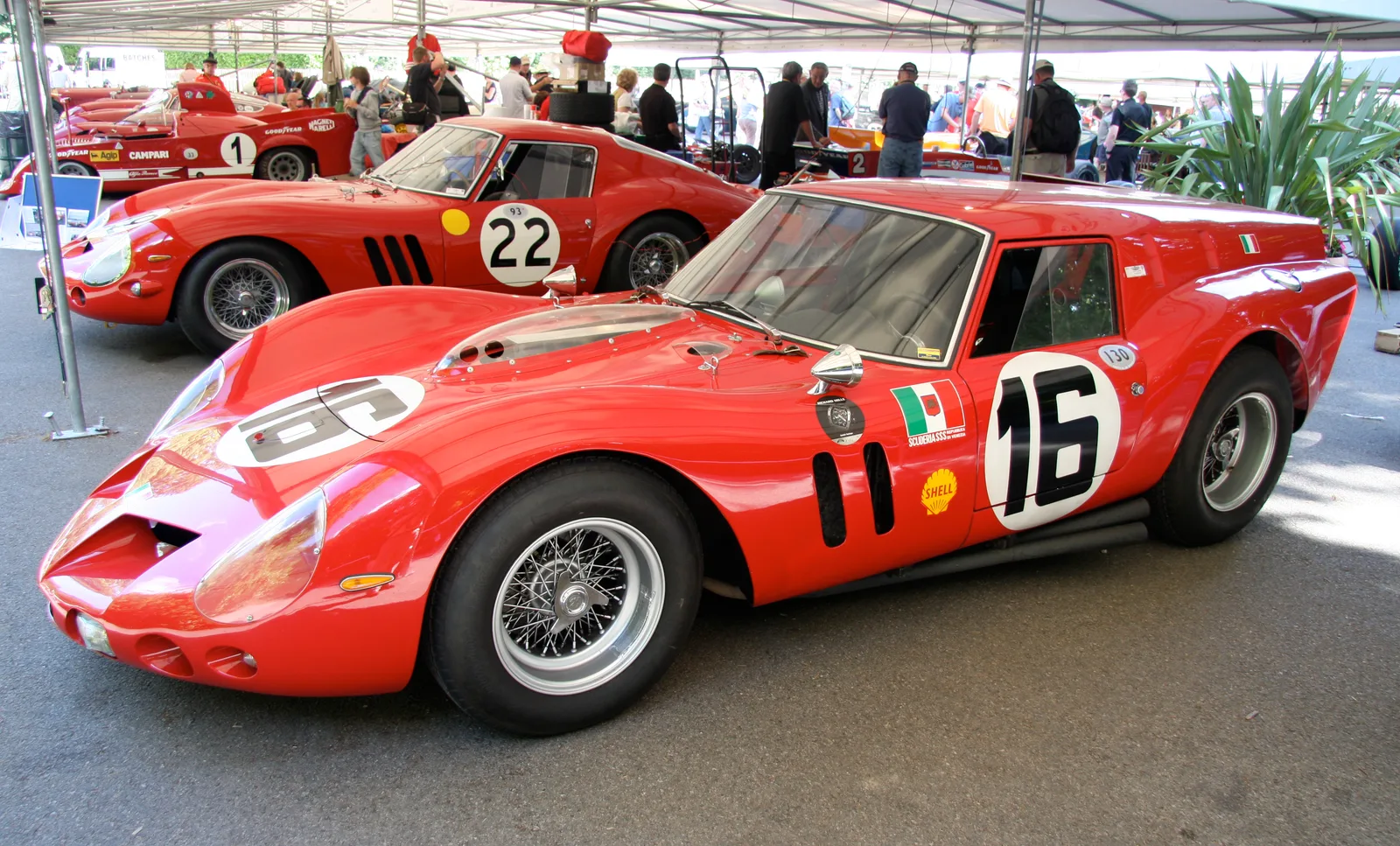
The Breadvan, number 16, at Goodwood in 2009. Behind it is 250 GTO 3757GT.
None of this makes the certificate worthless. Ferrari has the build sheets and the buyer does not. As a negative signal a number also works well: a car without a match has to explain why. The trouble is on the other side, with the buyer who reads more into an agreeing number than it contains.
Porsche has separated the two questions neatly. The Production Specification, successor to the old Certificate of Authenticity, comes from the archive: chassis number, build date, colour, options, type of engine and gearbox. Nobody looks at the car. The Technical Certificate is an inspection and records whether the current engine and gearbox numbers agree with the archive. For a 911, the first paper says what the factory built under that number. The second says the numbers are the same today. Neither says anything about the fifty years in between.
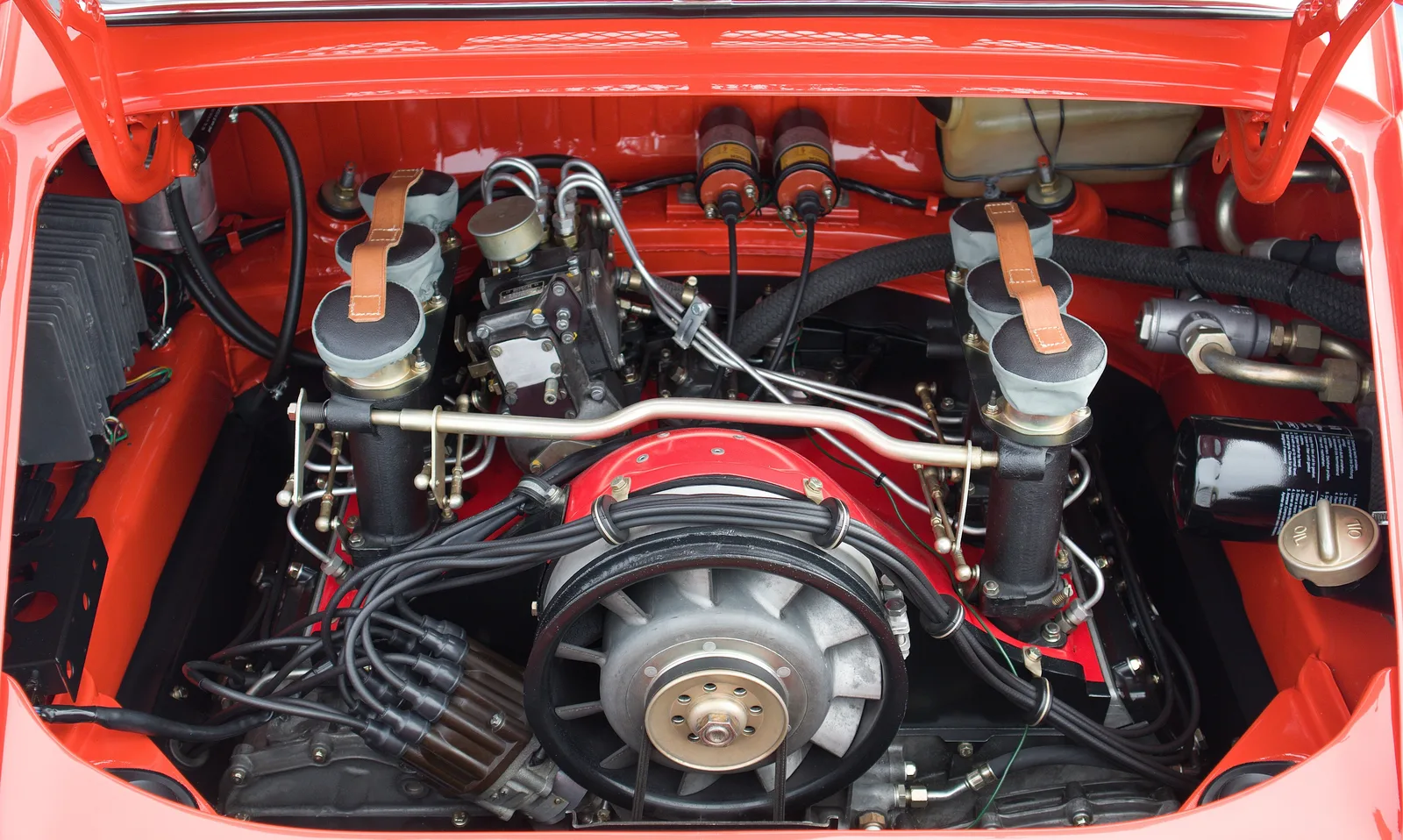
The engine of a 1971 Porsche 911 ST at Pebble Beach in 2023.
That takes duller paper: invoices with an engine number on them, old inspection reports, photographs from the time the engine was out. No match appears in those. They show whether there was ever a swap and when.
Back to 3387GT. Once N2 is in the car again the numbers will agree, and the next owner can have that confirmed in writing. They will then know what Fisken already knew in 2017: that car and gearbox belong together, and that for a while they were apart. What does that 1.1% buy them?
Images: 1962 Ferrari 250 GTO SP24 by MrWalkr (CC BY-SA 4.0); 1963 Ferrari 250 GT Lusso Engine Compartment by Prova MO (CC BY-SA 4.0); 1961 Ferrari 250GT SWB 'Breadvan' - Flickr - exfordy (1) by Brian Snelson from Hockley, Essex, England (CC BY 2.0); 1971 Porsche 911ST 2.5 MFI engine at Pebble Beach Concours 2023 by Prova MO (CC BY-SA 4.0). Images resized.


