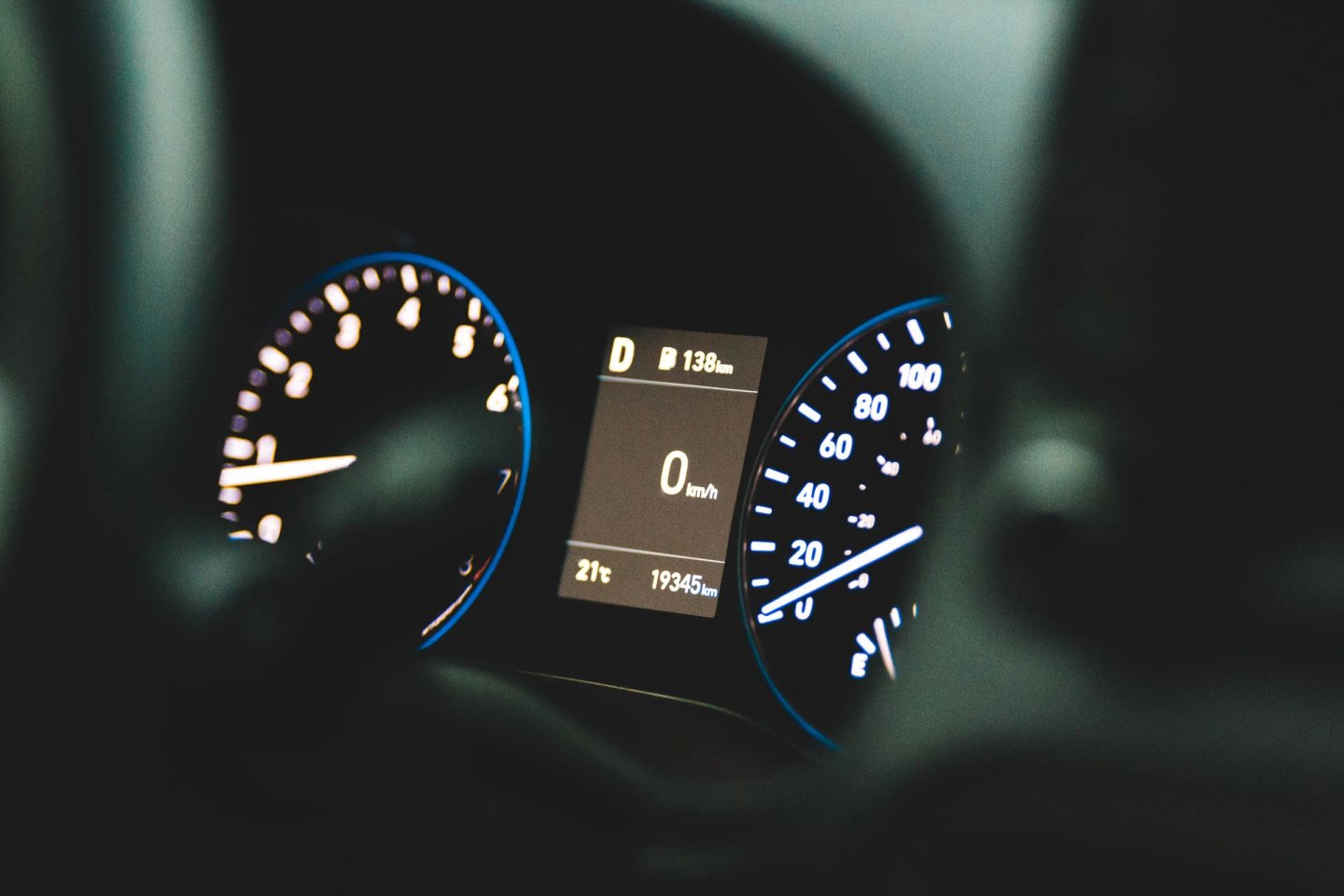
"A service book therefore gives no definitive answer on the mileage." That sentence, in our translation, comes from a May 2020 judgment of the Court of Appeal in The Hague, in a case about an Audi RS5.
A private owner bought the car in Germany on 12 February 2016 and brought it to the Netherlands. They drove it for about eighteen months. On 14 October 2017 they traded it in at a Dutch dealer against a Land Rover, at €33,000 and with 137,000 km on the invoice. They handed over the purchase invoice and the service books. The dealer sold the Audi on for €36,000 on 12 February 2018.
Sixteen days later the new owner took it to an Audi dealer to read a fault on the dashboard. That dealer could see a mileage history: 253,591 km on 21 December 2015 and 109,900 km on 25 April 2016. In four months, 143,691 km had vanished from the odometer. The trader refunded the €36,000 and went to court to recover the loss from the private owner.
It lost. According to the court the private owner knew nothing and a professional trader should have had the history read out, which any Audi dealer can do. What was in this particular book the court does not know, because the trader never filed it. The report from the RDW, the Dutch vehicle authority, gave no opinion on odometer readings for imported cars. And the court added that readings can be copied into a book unchecked and that books can be forged.
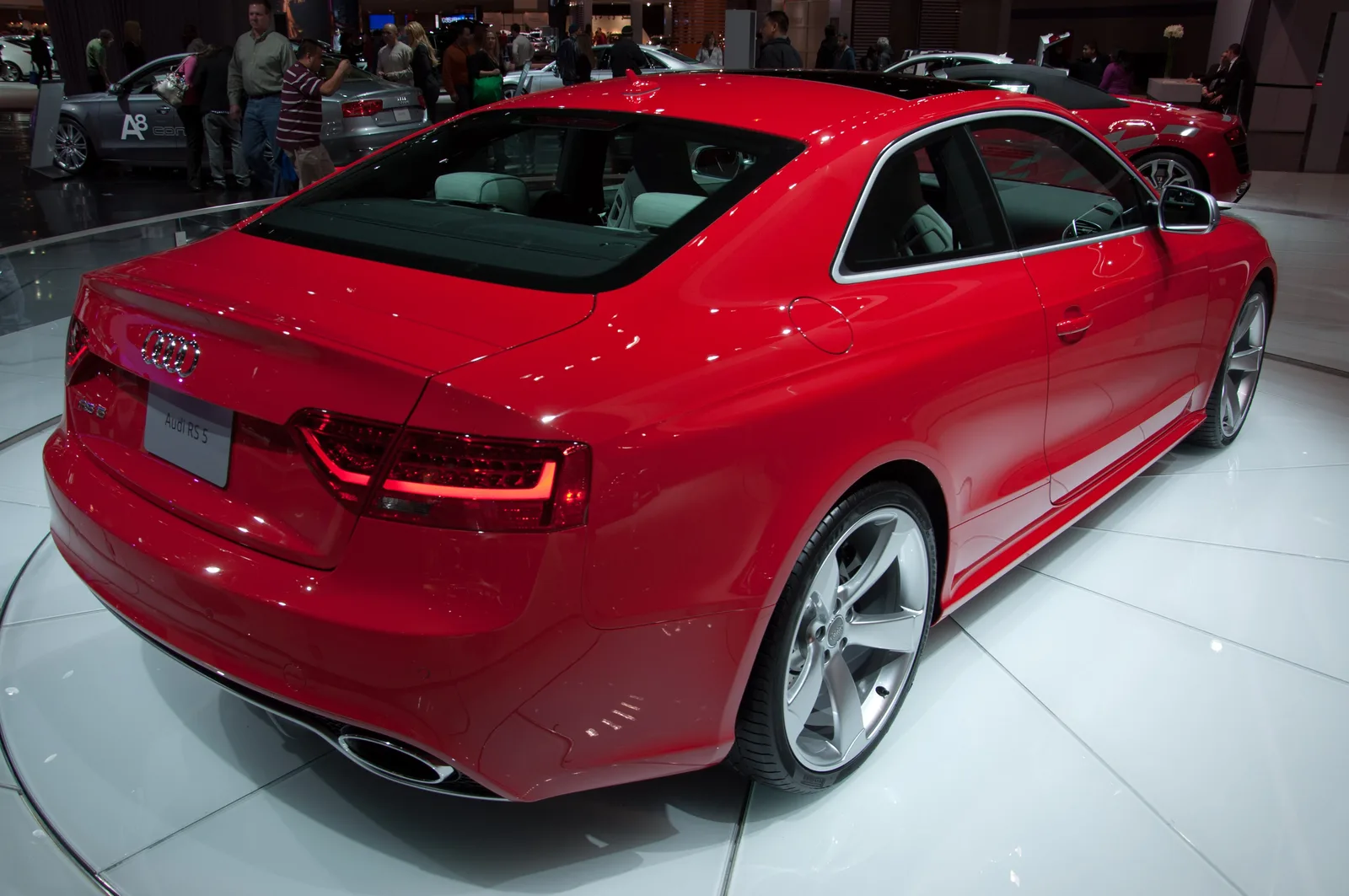
A 2012 Audi RS5 Coupe, the same first generation as the car in the judgment.
What a stamp costs
In 1973 the economist Michael Spence set out when a signal tells you anything: when it is cheaper for those who have the quality than for those who do not. He was writing about qualifications in the job market. With a car the question is the same. What does it cost to produce this piece of evidence if it is not true?
For a stamp, almost nothing. Even a real one says less than it seems to. It says that a business wrote down a reading on a date. It does not say what was done. On a Ferrari 360, owners and specialists generally talk about timing belts every three to five years, and a stamp reading "major service" does not tell you whether they were changed.
An invoice is more expensive to fake because more on it has to hold up. A business with an address and a VAT number. A date, a reading, hours, parts. You can ring the business. A part number belongs to a car and a period, and a marque specialist can see whether it fits. A forger has to get all of that right, while an honest seller only has to fetch the folder.
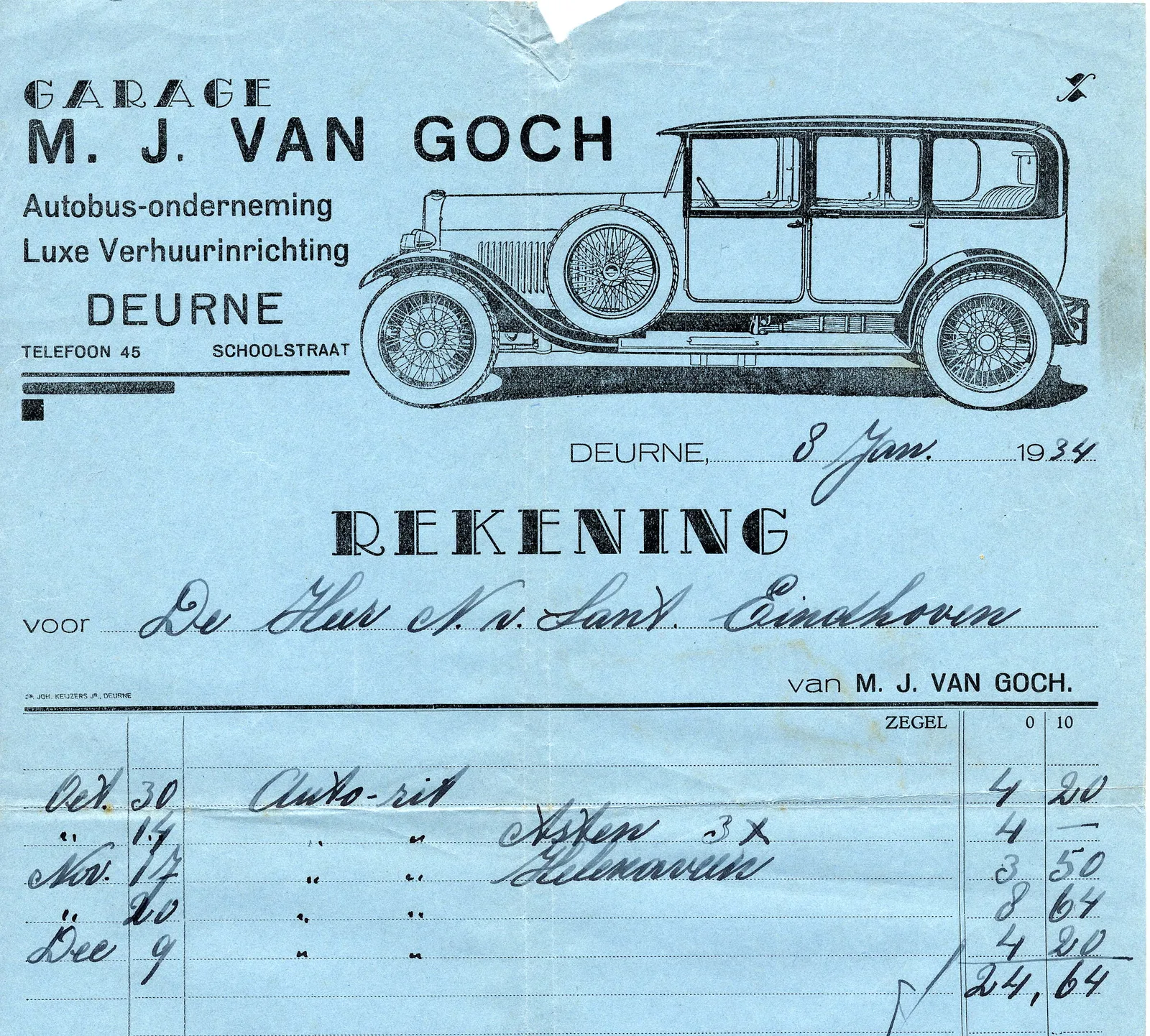
A January 1934 bill from Garage M.J. van Goch in Deurne, with business, address, telephone number, customer and a date and amount on each line.
In the Netherlands a modern invoice has a counterpart. More than 30,000 RDW-recognised businesses are legally required to report odometer readings, including at repairs, servicing and tyre changes. The free RDW vehicle report lists every reading with its date. An invoice from a recognised business should therefore turn up there, more or less. Only the owner or keeper can request that report, so a buyer has to ask the seller.
What NAP does and does not say
Dutch adverts often mention NAP, short for Nationale AutoPas, the foundation that recorded odometer readings before the RDW took over in 2014. The verdict now comes from the RDW and has three outcomes. Logical: the series of readings rises. Illogical: a reading is lower than the one before. No verdict: the RDW has too little information.
Logical is a statement about the series. It says nothing about the reading. A car that covered 30,000 km between two registrations and then lost 20,000 km off the odometer still shows a rising series. An import gets no verdict, as the RS5 did. The RDW has included Belgian readings since 13 January 2025 and German ones since 3 February 2026. A German import with a falling series now gets illogical, but if the series rises it stays at "no verdict because of import", since nobody knows whether the car was also registered elsewhere.
The RDW also gives illogical only for readings after 1 January 2014. A car that once got illogical from the NAP foundation now has no verdict. That reads kinder than it is.
What a folder of invoices is worth
A history can therefore be priced in euros. Say two identical €60,000 cars, one with stamps only, the other also with the invoice for the belts. Say that job costs €4,000. The buyer of the first car has to assume the belts are still due and takes off €4,000, so that one sheet of paper is worth €4,000. Work through the whole folder that way. For each invoice, ask what you would otherwise have had to do yourself and whether you can check it was done. A "full history" nobody can trace does not appear in that sum. A seller would do better to sort the documents by that question than by thickness.
The judgment mentions one more cheap test. The trader could have asked the private owner for consent to get the data from the dealer. If the owner refuses, you can draw your own conclusions, the court said. For someone with nothing to hide, that costs a signature. On an online auction, Octane included, the question can be asked in public. Every bidder then reads the answer.
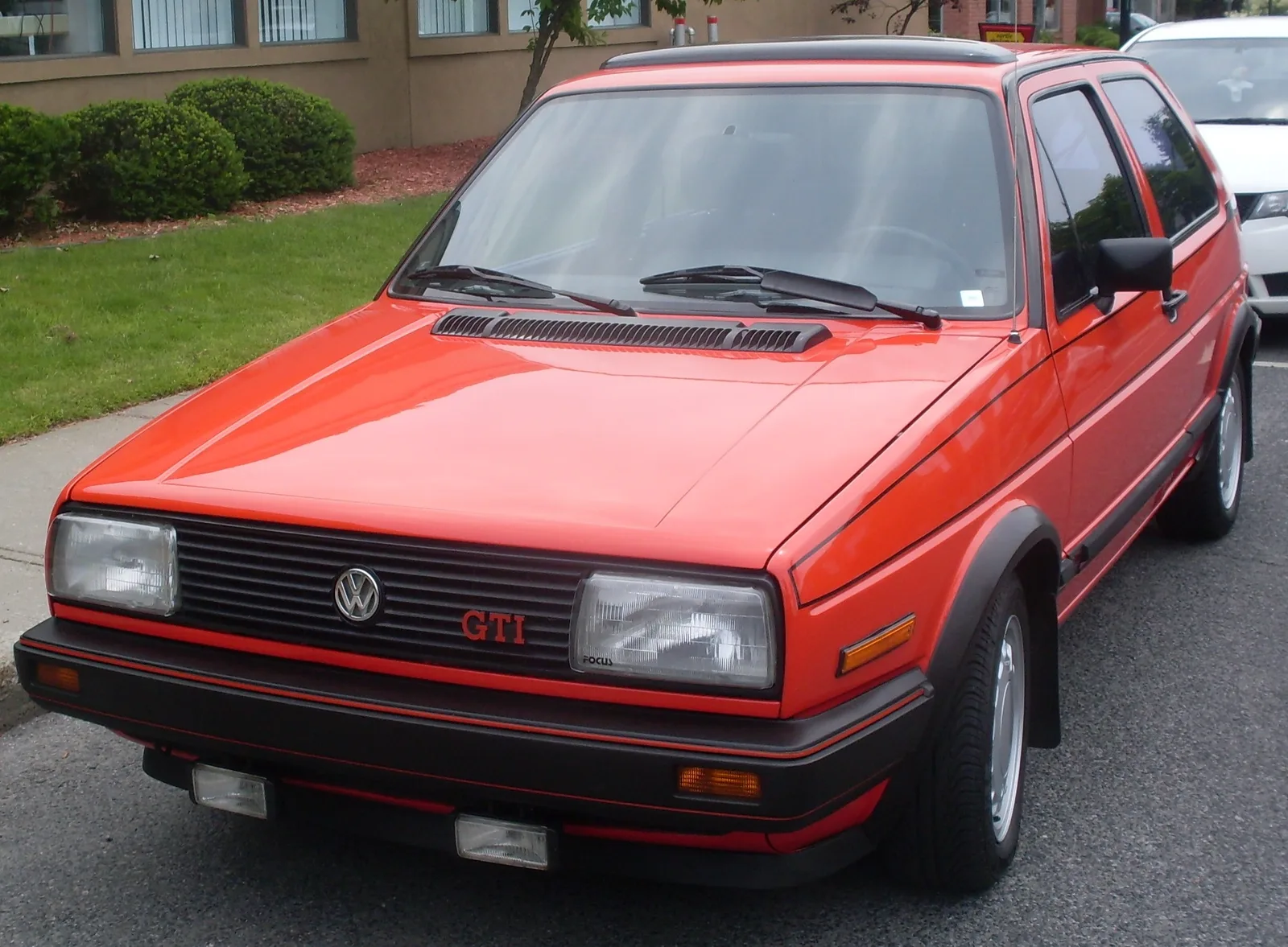
A 1985 or 1986 Volkswagen Golf GTI, the second generation, here in North American specification.
A service book is not worthless. On 25 June 1993 the Dutch Supreme Court ruled on a 1985 Golf GTI, bought on 23 January 1988 for 25,950 guilders with 45,228 km on the clock. In the car, the buyer found a service book recording a service in December 1986 at 61,963 km. The car turned out to have been traded in at that garage at about 93,000 km. The sale was annulled, despite the line in the contract saying the buyer bought at their own risk.
The same kind of book that proved nothing in The Hague was enough here, because it contradicted the odometer. A complete run of stamps cannot show a reading is right. One line that does not fit can show it is wrong. So do not flick to the last stamp. Set every reading against the invoices, the roadworthiness tests and the RDW report. Then look for that one line.
Images: Photo by IntrospectiveDSGN on Pexels; 2012 Audi RS 5 Coupe (6879434067) by qJake (CC BY-SA 2.0); MJ van Goch rekening 1934 by Pieter K (public domain); '85-'86 Volkswagen Golf GTI by Bull-Doser (public domain). Images resized.


