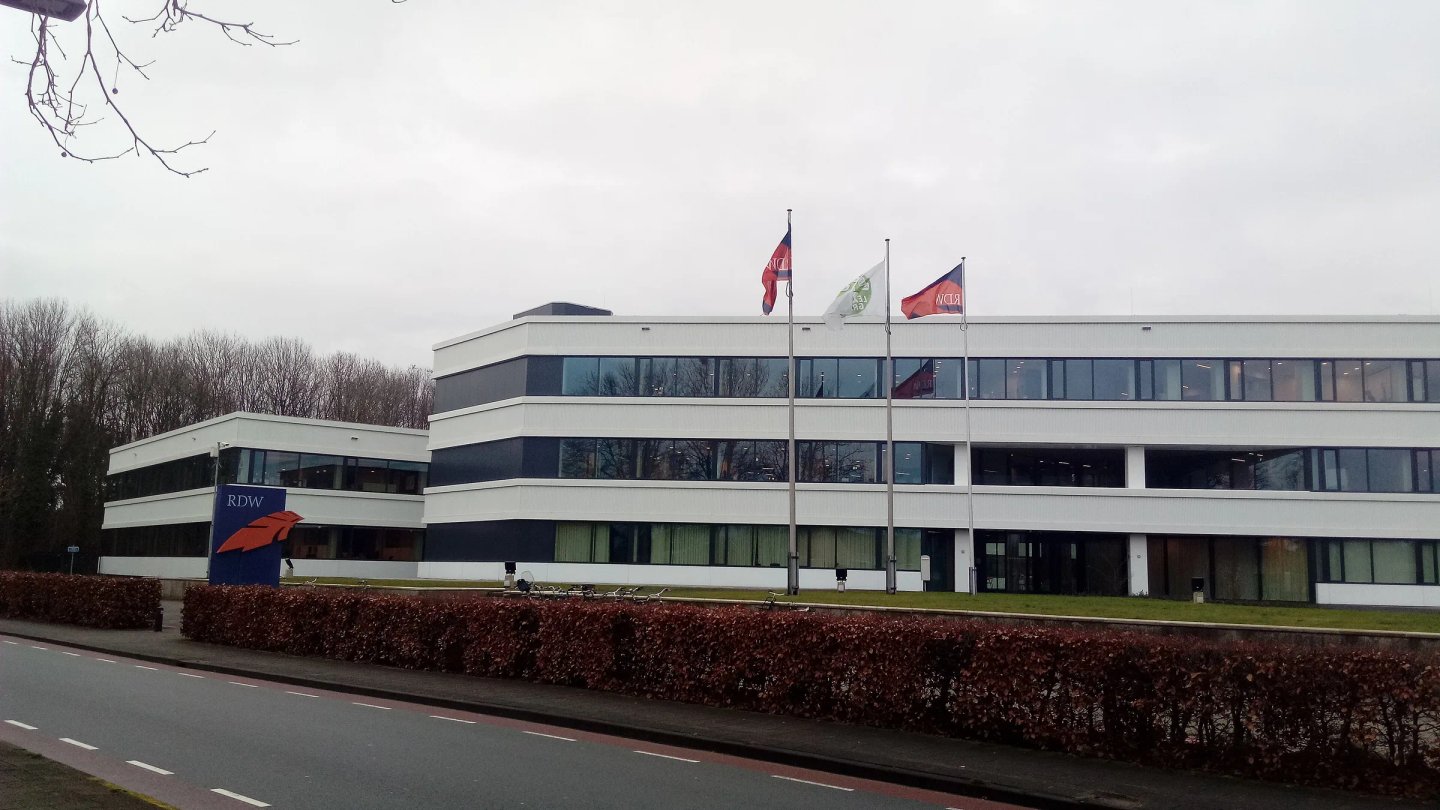
How many 1989-1994 Porsche 911s on Dutch plates actually began life in the Netherlands? We looked it up and it cost nothing. The RDW, the Dutch vehicle authority, keeps an open register. On 3 November 2026 it held 1,700 of these cars not marked as exported, most of them from the 964 generation. Of those, 1,691 have two dates filled in. Just 203 got a Dutch plate within a year: 12%. The other 1,488 came later. The middle car of the whole group arrived after 8.4 years.
Those two dates do all the work. First admission is the day the car first went on a plate anywhere in the world. First registration in the Netherlands is the day it was registered there. For a car sold new in the Netherlands, the two nearly coincide. A Golf shows that this comes from the cars and not the register: of the 1,585 Golfs from 1990, 62% got a Dutch plate within a year. For Ferraris from before 2000 the figure is 11%. Of the 20 F40s in the register, not counting replicas, it was one.
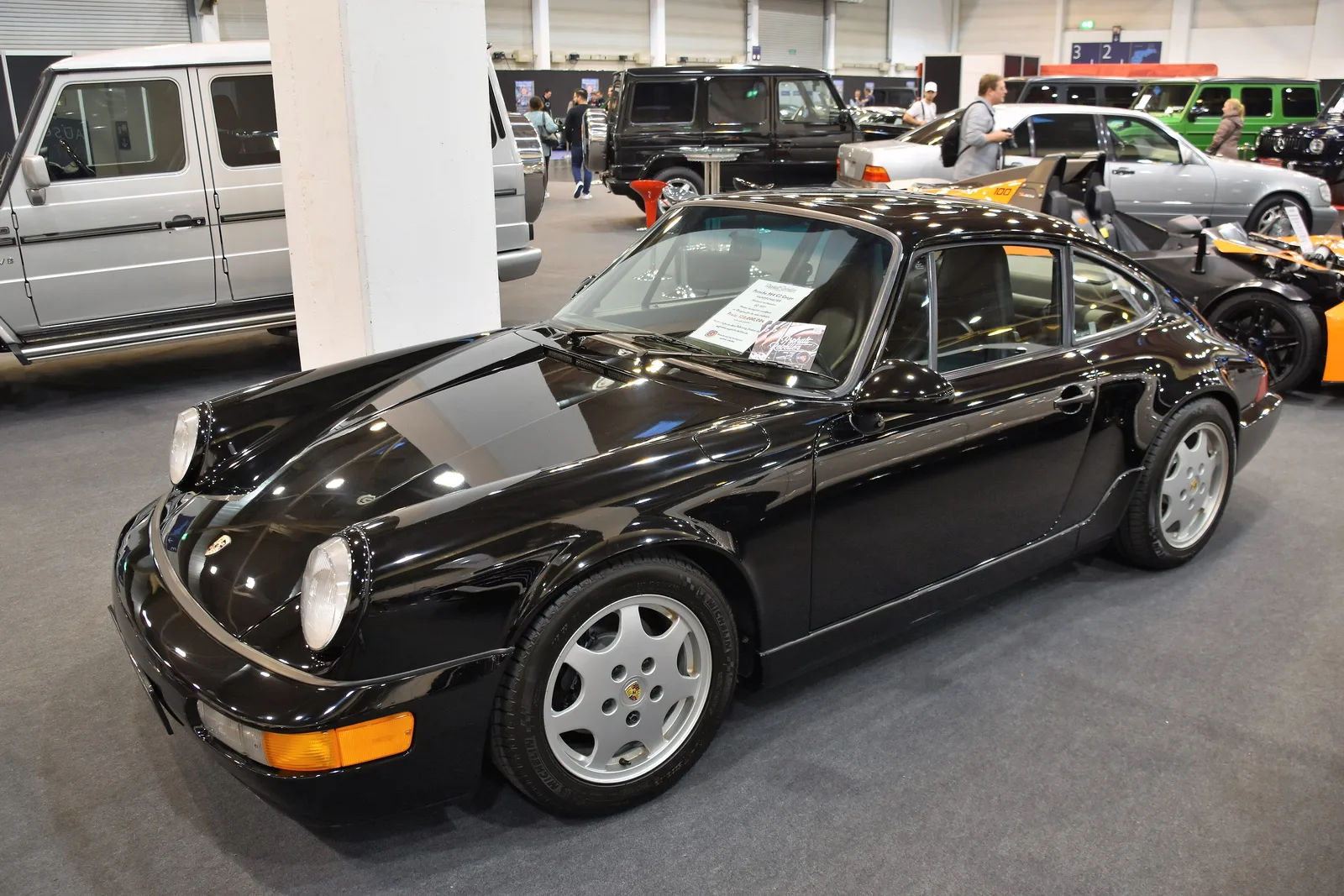
A 1991 Porsche 911 Carrera 2, at a show in Essen. Most 964s on Dutch plates first lived somewhere else.
Why this is possible in the Netherlands
A Dutch plate belongs to one vehicle. The car receives it when first registered there and keeps it, whoever owns it. Physical plates can be replaced but the combination cannot, except when a conversion earns the vehicle a different one. Nobody can choose or buy a combination. That makes the plate a key: one car, one row in a public table, for as long as it stays in the country.
It even says something before you look it up. A car built in 1978 or later gets a plate from the current series when imported. A 964 wearing a combination from a much later series did not start out in the Netherlands, and anyone can see that in the street.
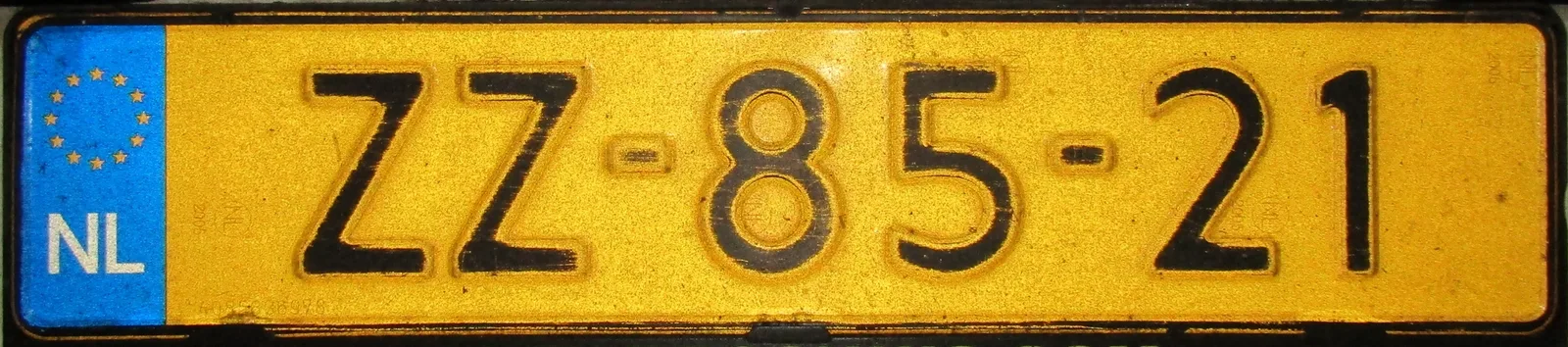
A Dutch number plate, on a city bus in Utrecht.
In Britain a plate is something else: an asset. The DVLA, the British counterpart of the RDW, auctions combinations and raised more than £2 billion over 25 years of sales. In November 2014 the Ferrari dealer Talacrest paid £518,480 including fees for 25 O, for a 250 SWB once owned by Eric Clapton. Such a plate tells you nothing about the car, and nobody pays for it to do so.
You might conclude that a Dutch buyer knows more than a British one. On one point it is the reverse. GOV.UK shows the result of every MOT free of charge, with the mileage on the day. The RDW does not. Its own site says the registered readings are not shown, and gives only a verdict. An owner can request a free report with the readings, so a buyer can ask for one. The country that sells its plates gives away more here than the country that fixes them. The fixed plate does not explain everything, then. What counts is what a government decides to publish, and the Dutch mostly publish dates.
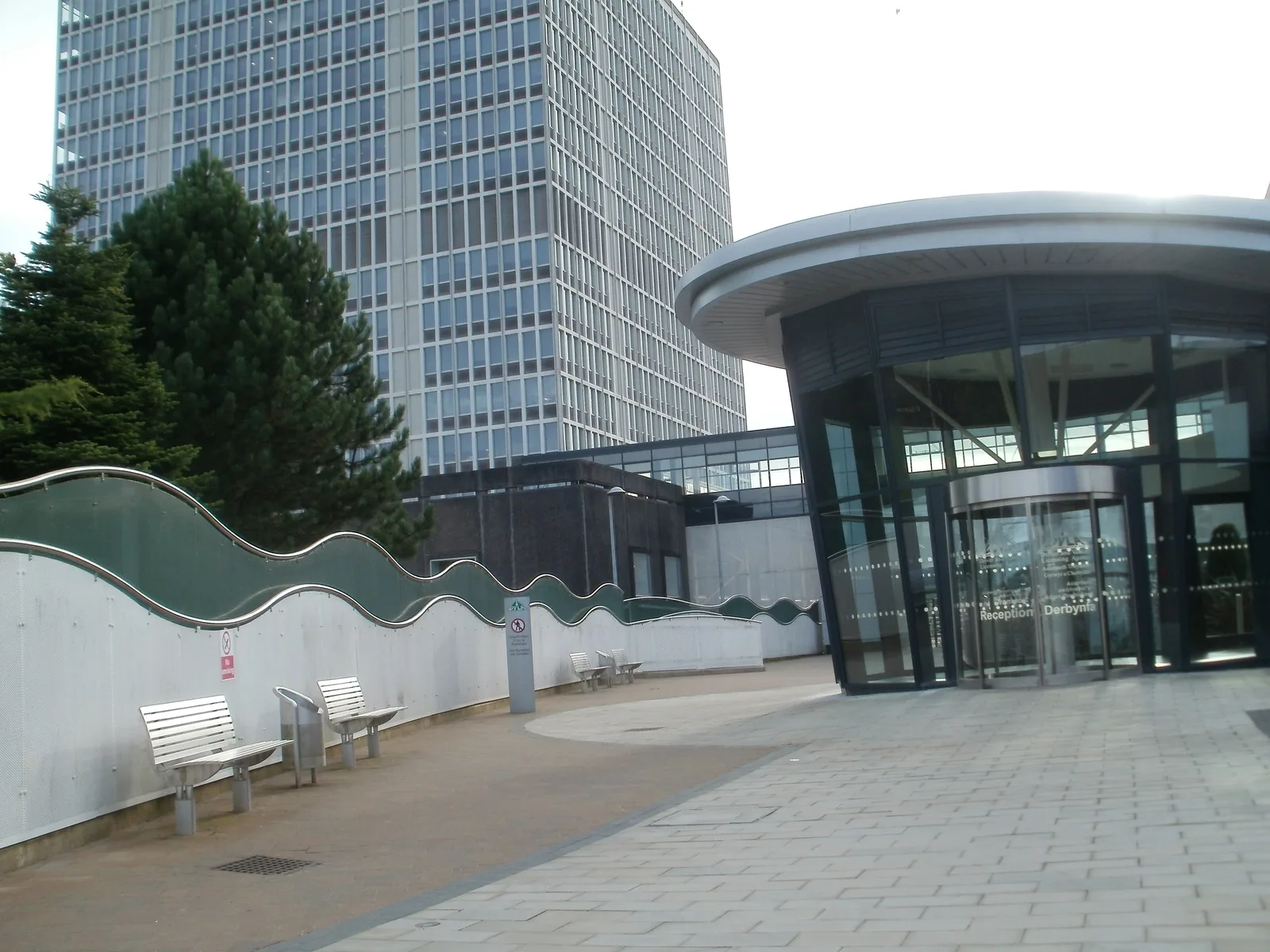
The DVLA in Swansea, the agency behind Britain's plate auctions.
What the dates and verdicts say
There is a third date: the latest registration, the day the current owner put the car in their name. Of the 1,700, 174 changed hands in the past year, 845 have been in the same name for over ten years and 310 are still with their first Dutch owner. A seller who writes about years with the car and shows a date from last spring has some explaining to do. How many owners came before is not listed.
Then the odometer verdict. Of the 1,700, there are 145 Logisch (the readings rise), 114 Onlogisch (they do not), 1,432 Geen oordeel (no verdict) and 9 not registered. All but one of the Logisch cars belong to the group that got a Dutch plate within a year. Imported cars receive "no verdict because of import". Since January 2025 the RDW has taken over Belgian readings and since 3 February 2026 German ones, but not for cars already in the country before then. For most of these 911s the verdict will stay empty. No verdict does not mean the reading is right. It means nobody has been able to check it.
And the APK, the Dutch roadworthiness test. For each plate and date, the open data shows which faults the tester reported. On these 1,700 cars there were 1,186 reports between June 2022 and October 2026, spread over 622 cars. The most common, 176 times: excessive fluid leakage. On an old 911 that is no shock, but it is worth raising when the listing says nothing about it. All this sits in a table meant for programmers, not where a buyer would naturally look.
Also missing are the country of origin and any accident damage. And a late date is not a fault. A 911 that spent twenty years in dry air can be better than one that did every winter in the Netherlands, and 19 of the 20 F40s arrived later. The date only says that the early years of the history are foreign and need different questions.
It also works the other way
It is easy to read a register like this as a lie detector. It is also a certificate. Of the 1,700 cars, 144 got a Dutch plate within a year and carry the verdict Logisch, which is 8.5%. On those, "Dutch car" stops being sales talk and becomes a claim that takes a minute to check. The seller of such a car has nothing to prove. All they have to do is leave the plate visible in the photos.
Images: RDW, Veendam (2020) 10 by Donald Trung Quoc Don (Chữ Hán: 徵國單) - Wikimedia Commons - © CC BY-SA 4.0 International . ( Want to use this image? ) Original publication 📤: -- Donald Trung 『徵國單』 ( No Fake News 💬 ) ( WikiProject Numismatics 💴) ( Articles 📚 ) 20:58, 30 January 2020 (UTC) (CC BY-SA 4.0); Porsche 911 Carrera 2 (964, 1991) (52574461396) by Charles from Port Chester, New York (CC BY 2.0); Nederlands kenteken Qbuzz 4203 Utrecht by Maurits90 (CC0); DVLA Swansea by Zweifel (CC BY-SA 3.0). Images resized.


