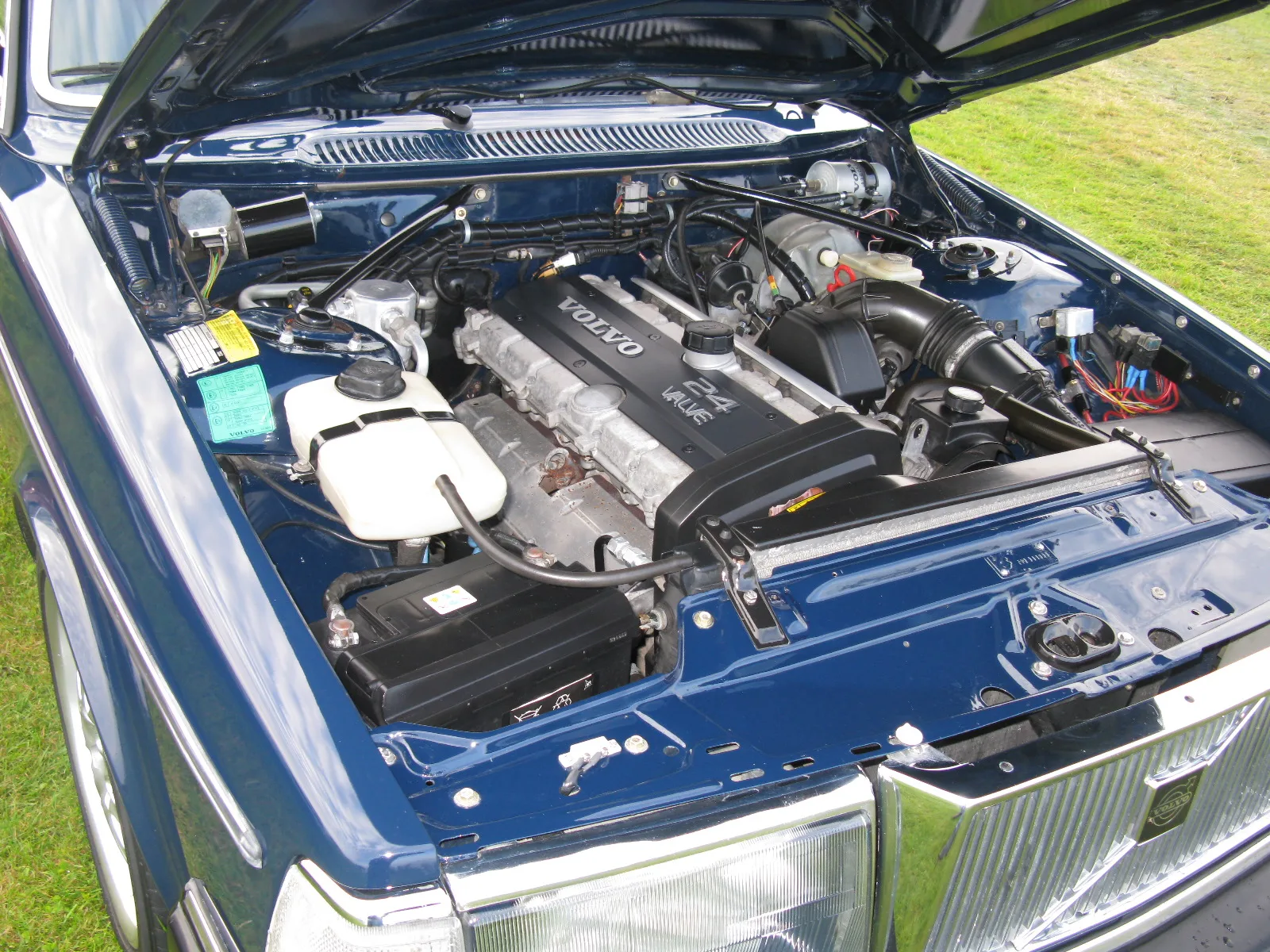
In the final week of June 2017, Photobucket changed its terms. Photographs on a free account could no longer appear on other websites. Anyone who wanted that had to pay $399 a year. The company then held about 10 billion photos for 100 million users, and many of them were embedded in forums, on eBay and in blogs. Within days those places showed a replacement image from Photobucket. Users called it a ransom.
On car forums those photographs included the how-tos: the difficult job explained step by step in pictures, the build thread of somebody's car. On Volvo Forums UK, in the technical section for the 700 and 900 series, the subject was still live in January 2018. Missing pictures, a Firefox add-on that brought them back, a member whose locked threads could no longer be edited. A how-to without its photographs is a list of references to something that is no longer there.
A workshop manual says what has to happen. A thread like that shows which bolt seizes and what it looks like when it is right. The second part lives mostly in the pictures.
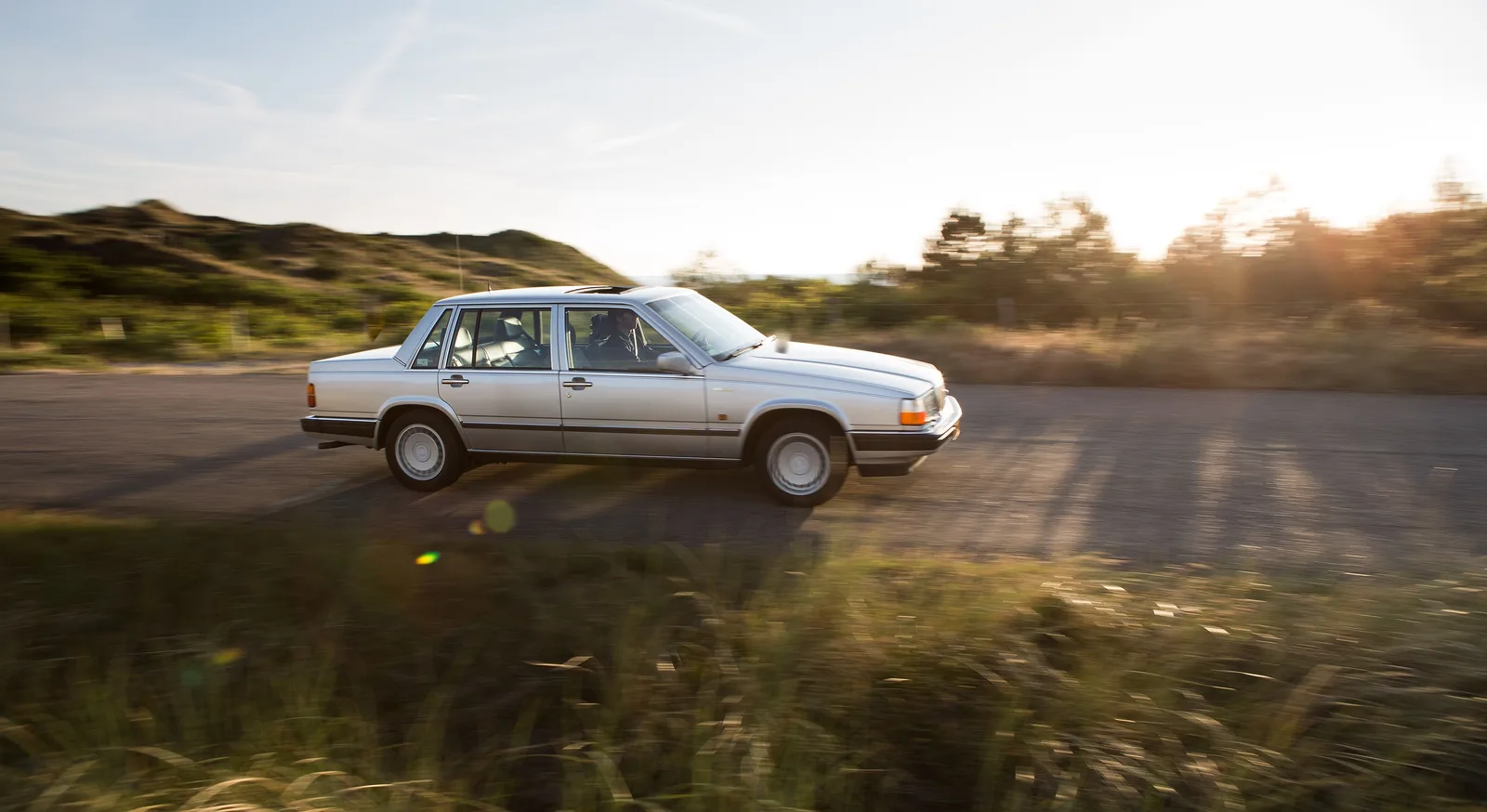
A 1989 Volvo 760 GLE, from the 700 series that forum deals with.
Three parties a how-to depends on
Finance calls this counterparty risk: the chance that the party who has to deliver one day does not. Anyone lending money reckons with it. Anyone writing a how-to in 2009 did not. Yet that how-to depended on three parties at once, and the reader had no claim on any of them.
The first is the image host. It delivered for free, and later reports on the company say about 75% of its costs went on that free hosting. The $399 came from somewhere. The company had also changed hands twice by then: Fox Interactive Media bought it in 2007 and in 2009 it went to Ontela. Nobody writing a how-to noticed. In May 2018 lower tariffs arrived, from about $1.99 a month, and millions of photos came back. Erased is therefore the wrong word for 2017: the files stayed where they were.
In June 2023 free accounts were deactivated. The photos stayed in storage, but getting them out took a paid plan, from $6 a month. In 2024 Reuters reported, as PetaPixel relayed it, that Photobucket was in talks to license its archive for training AI image generators. So that archive was available after all, only not to somebody looking for an exhaust bracket.
Elsewhere things really were erased. TinyPic, also owned by Photobucket, closed in 2019. On 19 September the servers stopped. Volunteers at ArchiveTeam pulled in about 13.2 million images by following links, and they write themselves that a complete archive was not possible.

A data centre. Every photo in a forum post sits on equipment like this somewhere, and someone is paying for it.
The second party is the writer. Only they can get into their account and their old posts. In a thread on the Porsche Club GB forum from July 2017 the complaint was already there: downloading everything was easy, editing old posts one by one was the work. Say someone wrote the best explanation of a gearbox in 2009 and sold their car in 2012. They are not coming back to repost their pictures.
Those who did act mostly swapped one counterparty for another. Several members of that forum moved to Imgur in 2017. In April 2023 Imgur announced that from 15 May it would remove old, unused content not tied to an account. How much actually went, we could not establish.
The third is the forum, which someone has to keep paying for and running. An administrator can repair a lot, but only as long as the files can still be reached.
What Facebook and Discord fix
The obvious objection is that all this is out of date. In a Facebook group or on a Discord server, text and picture sit with the same party, so there is no separate host left to pull the plug. One counterparty instead of three. That is correct, and it is an improvement.
It costs something else. A forum thread had a title, was public and could be found through a search engine, including by someone who was not a member. On Discord you first have to join the right server, and then the answer is somewhere in a conversation. According to Neowin, Discord itself acknowledges that knowledge gets buried there and is exploring AI summaries to bring it back. Users on forums complain that Facebook groups are hard to search. Discourse, which sells forum software, says the same, with an interest of its own. We found no hard figures.
That is the difference from 2017. Anyone who opened a how-to then saw a replacement image wherever a photo belonged. They knew something was missing and they could ask for it. Someone starting on the same gearbox fifteen years from now searches and finds nothing. They assume nobody has ever done this, while the answer sits on a server they have never heard of. A broken photo is visible loss. This is loss that nobody notices.
A copy in the folder
None of this is a reason for nostalgia. Forums were messy too, and the good explanation was often deep in a long thread. What can be done takes an evening. Save the how-tos your car needs as PDFs with their photos, and keep them in the car's folder with the rest of the documents. With an old Volvo or any other classic, that folder goes to the next owner. A thread that works today still depends on the same three parties.
Somewhere is the best explanation ever written about your car. Who is paying for the photos?
Images: Volvo 240 (6073094779) by nakhon100 (CC BY 2.0); Volvo 760 GLE by Melvin Sylvester (CC BY-SA 4.0); Photo by Taylor Vick on Unsplash. Images resized.

