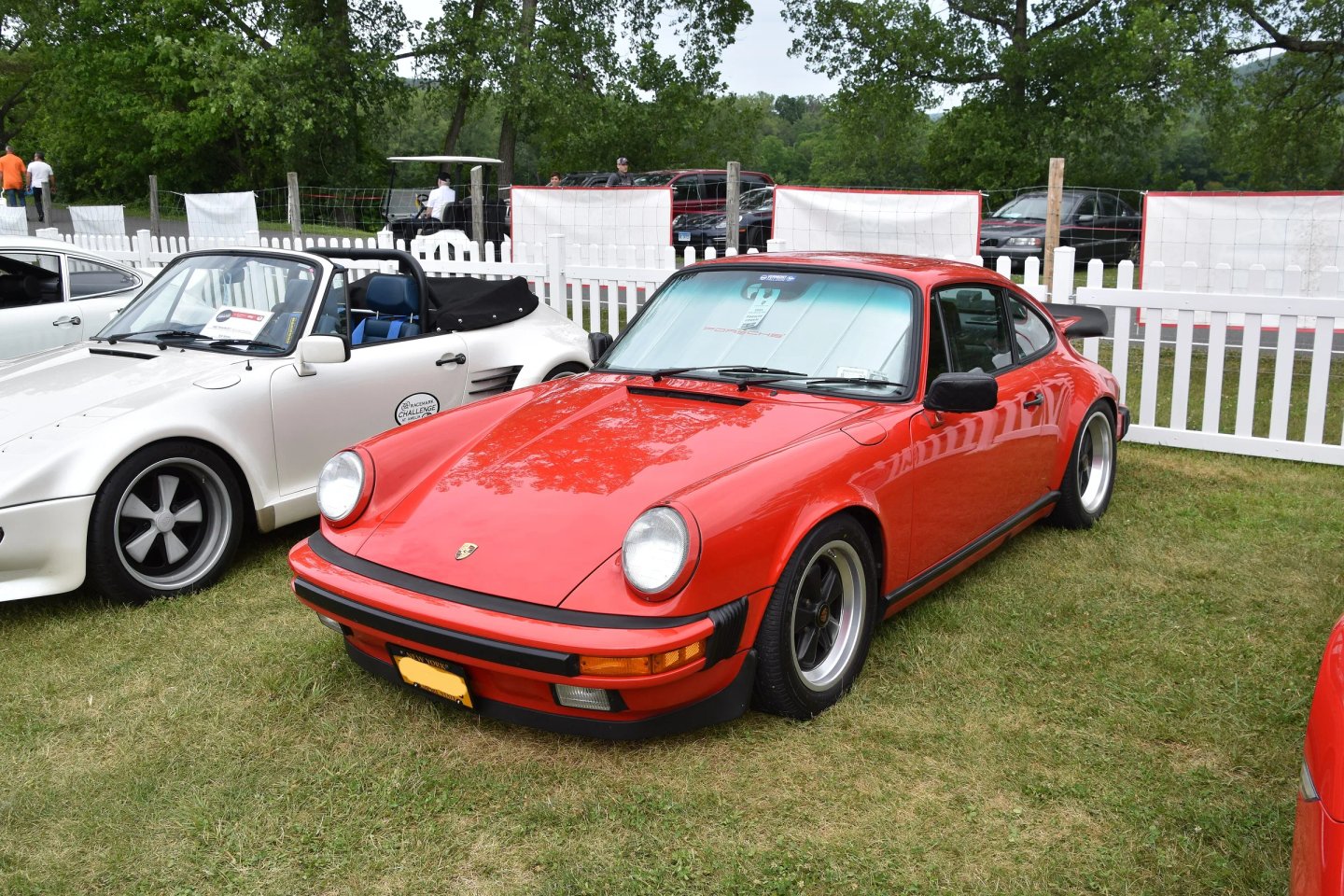
On 1 July 2013 the Netherlands had 151,256 passenger cars from the years 1975 to 1986 registered with a classic car exemption from motorrijtuigenbelasting (MRB), the Dutch road tax. On 1 January 2014 the age limit went to 40 years, and these cars were too young. In a letter dated 14 April 2015 the junior finance minister took stock, using January 2015 figures. Of the 151,256, there were 31,819 suspended from the road, 17,389 exported and 7,835 scrapped. With a small remainder that came to about 60,000 cars, 40%, in eighteen months.
Nothing about the cars had changed. They had simply acquired a bill.
The letter breaks it down by fuel. Of the 90,000 petrol cars, 13% were suspended, 5% exported and 4% scrapped. Of the 38,000-plus diesels it was 30, 27 and 8%. Of the 23,000 LPG cars it was 39, 11 and 6%. Petrol cars had been given a transitional scheme: a quarter of the normal rate, capped at €120 a year, provided the car stayed off public roads in December, January and February. Diesel and LPG got nothing of the kind. On nearly half of the 8,000 LPG cars still paying, the gas tank had been taken out so they could qualify after all.
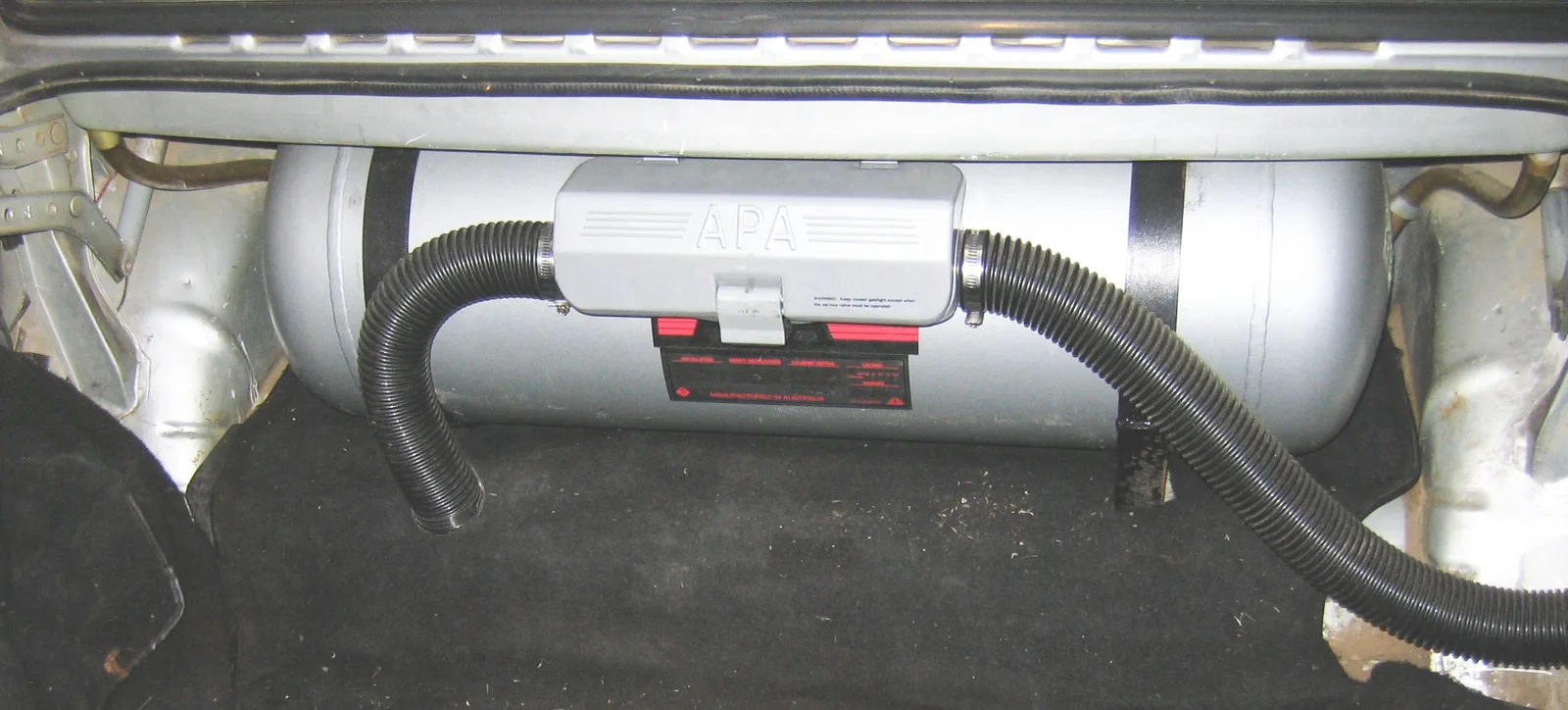
An autogas tank in the boot of a Volvo 264. In the Netherlands, owners had tanks like this taken out after 2014.
Anyone torn in 2012 between a Mercedes 240 D and a 230 E of the same year got an answer from the tax office in 2014. According to the letter, imports of diesel and LPG classics almost stopped from 2013. By January 2015 about two thirds of the diesels from these years were off the road, for a reason that had nothing to do with how they drove or looked.
Why a car reacts differently from a house
Economists have a word for what ought to happen: capitalisation. A tax that comes back every year ends up in the price of the asset, because the buyer deducts the expected bills from what they are willing to pay. Wallace Oates showed this in 1969 for houses in New Jersey: higher property tax, lower house price.
A house cannot go anywhere. A car can. If a Dutch buyer will bid less than a German one because of the road tax, the car crosses the border. The price then falls no further than what that German will pay, and the rest of the effect shows up in the fleet. This is reasoning and not measurement, because the letter contains no prices. The 27% of diesels exported fits it, though. Here the tax office mainly decides which classics are on Dutch roads, and only then what they cost.
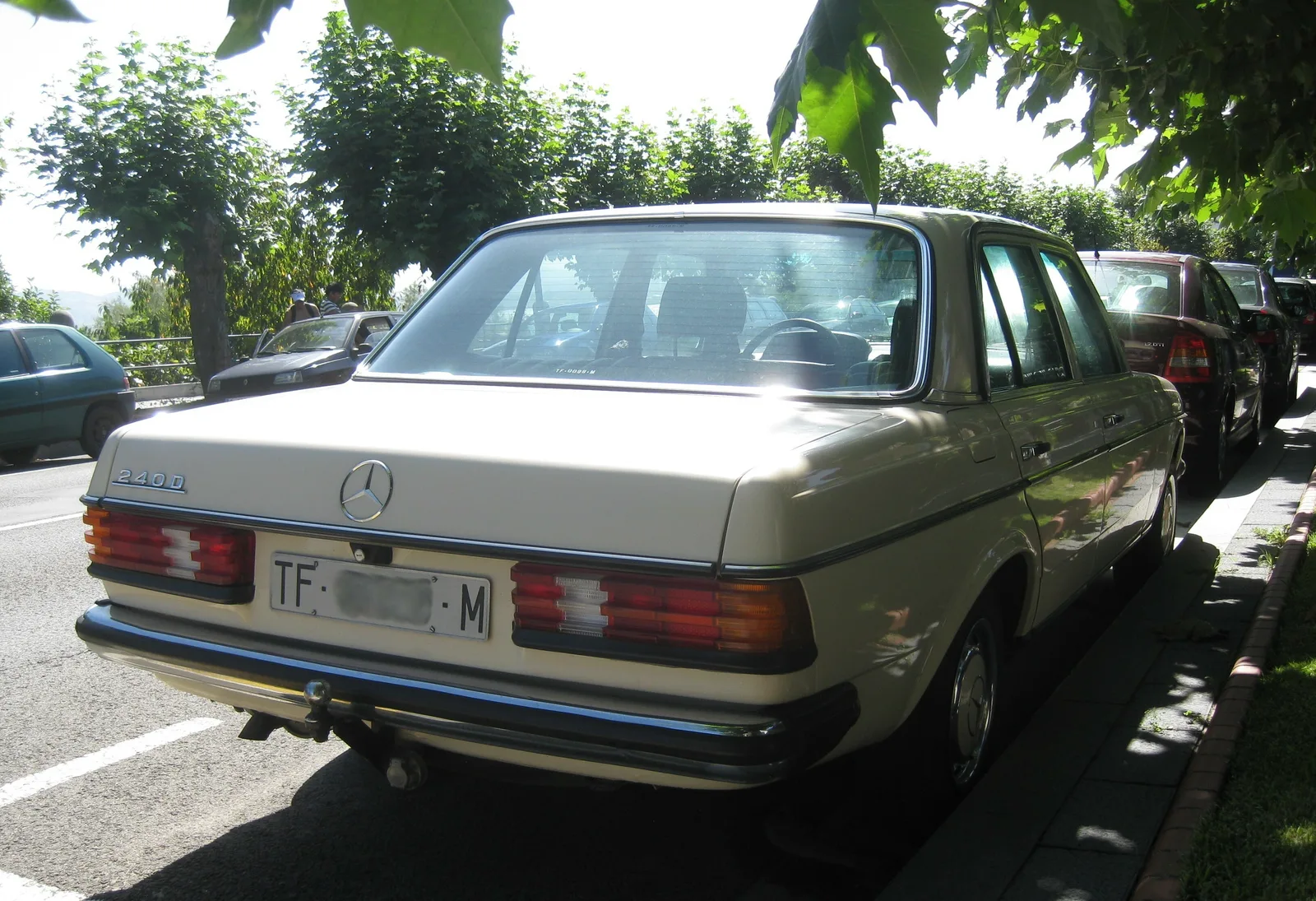
A 1980 Mercedes 240 D. Of the Dutch diesels from these years, more than a quarter had been exported by January 2015.
The date on the registration papers
The rules have changed again since. The 2024 Tax Plan replaced the rolling 40-year limit with a fixed date. According to the Dutch government, from 1 January 2028 the exemption applies only to vehicles whose date of first registration (datum eerste toelating) is before 1 January 1988. A car with a later date never gets it, not even at 40.
A bill called the Fiscale verzamelwet 2027 proposes to bring that fixed date forward by a year and to end the transitional scheme in 2027. That was the position on 7 May 2026, and whether it passed can be checked with the Dutch tax office. The scheme costs up to €158 in 2026 and is for petrol cars only. The car must then stay off public roads, parked or moving, in January, February and December.
Take a Porsche 911 Carrera 3.2, built until 1989. Two cars, same specification, one first registered in December 1987 and the other in January 1988. The first will be exempt. The second pays the full rate, now and later. Say that comes to €680 a year, roughly what online calculators give for a 1,200 kg petrol car in the province of Noord-Holland in 2026. Say you keep the car for fifteen years and charge 3% for what the money could have done elsewhere. The difference is then worth about €8,100 today. On a €60,000 car, which is also an assumption, that is 13.5%.
If buyers reckon the way Oates's house buyers did, the January car should be that much cheaper. Whether it is, we have not measured. A buyer can make the comparison themselves, and the date is on the registration papers. The year of build tells you nothing here.
Two other lines
Importers deal with a different date. A vehicle of 25 years or older pays no BPM, the Dutch registration tax, according to the tax office, though a return must still be filed. A 24-year-old car can still face a bill.
For business owners a third line is moving. The taxable benefit on a company car is normally a percentage of the list price when new. For older cars it is 35% of market value: in 2025 for cars older than 15 years and in 2026 older than 16. From 2027 that applies only to cars of 25 years and over, the tax office wrote on 5 December 2025.
Say a 2006 car has a list price of €90,000 and a market value of €30,000. At 35% the benefit is €10,500. At the normal rate of 22% of list it is €19,800. That is €9,300 a year more taxable income for the same car. The youngtimer as a company car existed because of that rule. Nobody yet knows what its disappearance will do to prices. Anyone driving on these terms should have an adviser run their own numbers.
The road tax limit stood at 25 years until 2012 and then at 30. From 2014 it was 40, and since the 2024 Tax Plan it has been a fixed date. That makes three changes, and the proposal for 2027 is the fourth. Anyone paying for a tax status is relying on a rule that has not stayed the same for long in fifteen years. On 1 January 2028 the first cars registered in 1988 turn 40. Whether their owners then pay, suspend or export is the next count. The last one took eighteen months.
Images: Porsche 911 Carrera (1987) (52230053634) by Charles from Port Chester, New York (CC BY 2.0); AutogasTankInSedanBoot by Athol Mullen (CC BY-SA 3.0); 1980 Mercedes-Benz 240 D (W123) (3880543501) by Spanish Coches (CC BY 2.0). Images resized.


