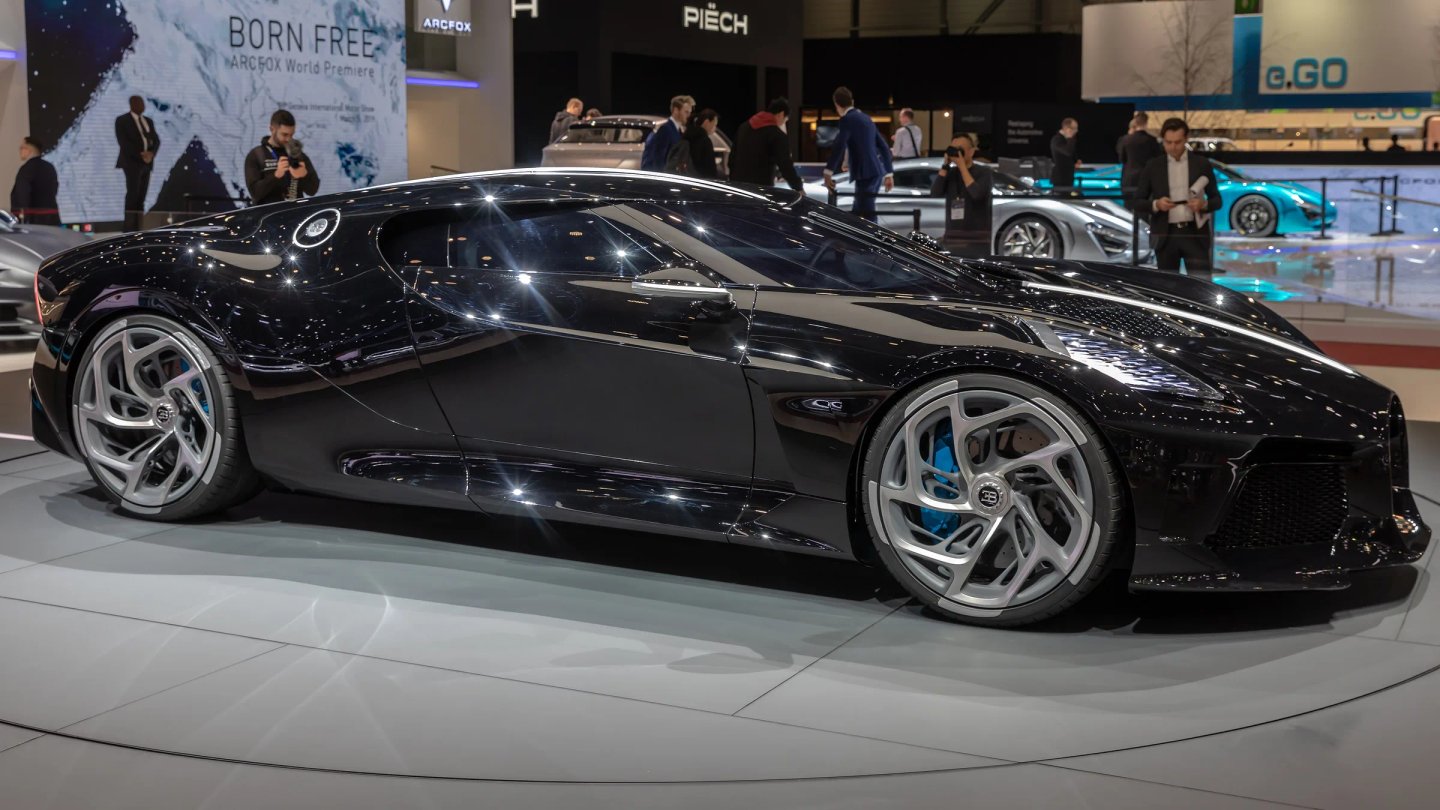
On 31 May 2024 the foundation behind the Geneva Motor Show announced that it was finished. The show had run since 1905. In 2019 it drew 184 exhibitors and more than 600,000 visitors. In February 2024 it drew 37 exhibitors and 168,000 visitors. The foundation spoke of the eroded attractiveness of the major European shows. Its president said they had the impression of going against the market.
Two years later the Monterey Car Week auctions brought in $755.6 million according to Hagerty, a record. The easy story writes itself: the internet made the motor show redundant and the rich moved to California. The first half is only half true and the second applies to a handful of brands.
What a motor show was for
A motor show is a trade. A manufacturer rents floor space and builds a stand. In return it gets the press, the dealers and the public, in one week and one place. The familiar argument is that the internet ended the trade, because a reveal now reaches every phone for free.
But China has the internet too, and Auto Shanghai drew 1.01 million visitors in 2025, against 906,000 in 2023. When BMW cut its budget for the Frankfurt show in 2018 from up to €25 million to €5 to 6 million, shrinking the stand from 11,000 square metres to 3,000, part of the money went to fairs in China and technology events such as CES, according to Handelsblatt. A brand pays for a stand where there are still customers to win.
Why that still works in China, we cannot say for certain. Our reading is that a show stays useful while buyers have to choose among brands they do not yet know, and new ones keep appearing there. Nobody in Europe needs an introduction to Volkswagen.
Nor was the public the first problem. Amsterdam's AutoRAI drew 291,717 visitors in 2015 and was counted a success. At the end of August that same year the Dutch trade body RAI Vereniging announced that the 2017 show was off, for lack of support among its member brands. The visitors were still there. The people paying were not.
A show also has a property that speeds up its end. The press and the public come for the whole hall, so each brand is partly paying for the attention the others bring. If BMW stays away, the neighbouring stand is worth less. Its owner then does the sum again. Between 2019 and 2024 the Geneva shows were also called off, which gave every brand four years to see that it could manage without. That is how you get from 184 to 37 rather than to 150.
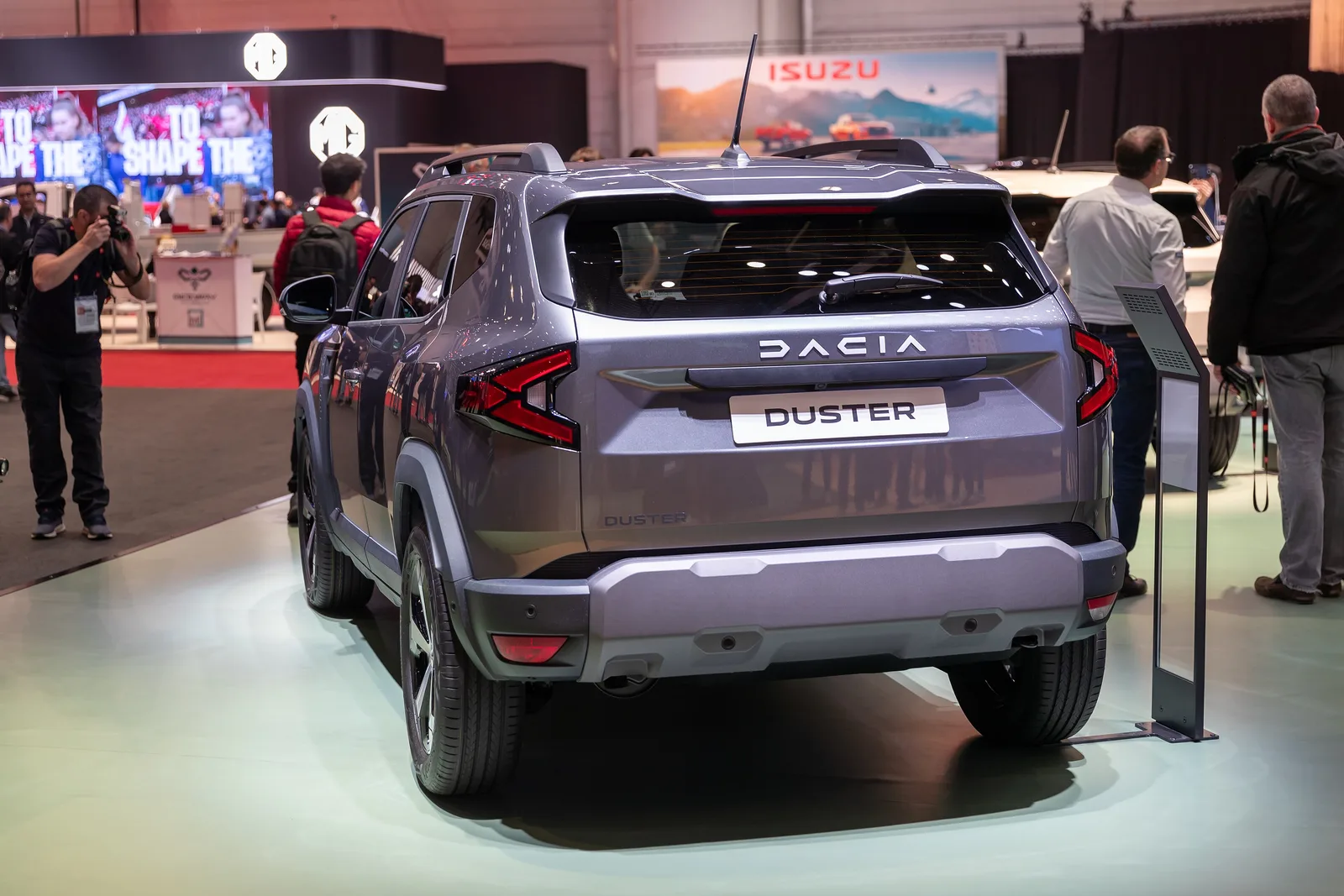
A Dacia Duster at the last Geneva Motor Show, in 2024.
Reach and buyers
The sum behind that decision is simple. Take 600,000 visitors and a stand at €5 million, the figure BMW arrived at. That is just over €8 per visitor. It is a fair price if many of those people could buy the car. For a Dacia that may hold, and Dacia was still there in 2024. For a car at €8 million, the brand is paying for almost 600,000 people who never will.
Bugatti did both in 2019. In March, La Voiture Noire stood on its stand at Geneva. In August the brand showed the Centodieci at The Quail in Monterey: ten cars at €8 million, €80 million in all. According to Bugatti, all ten were sold before the car was officially revealed.
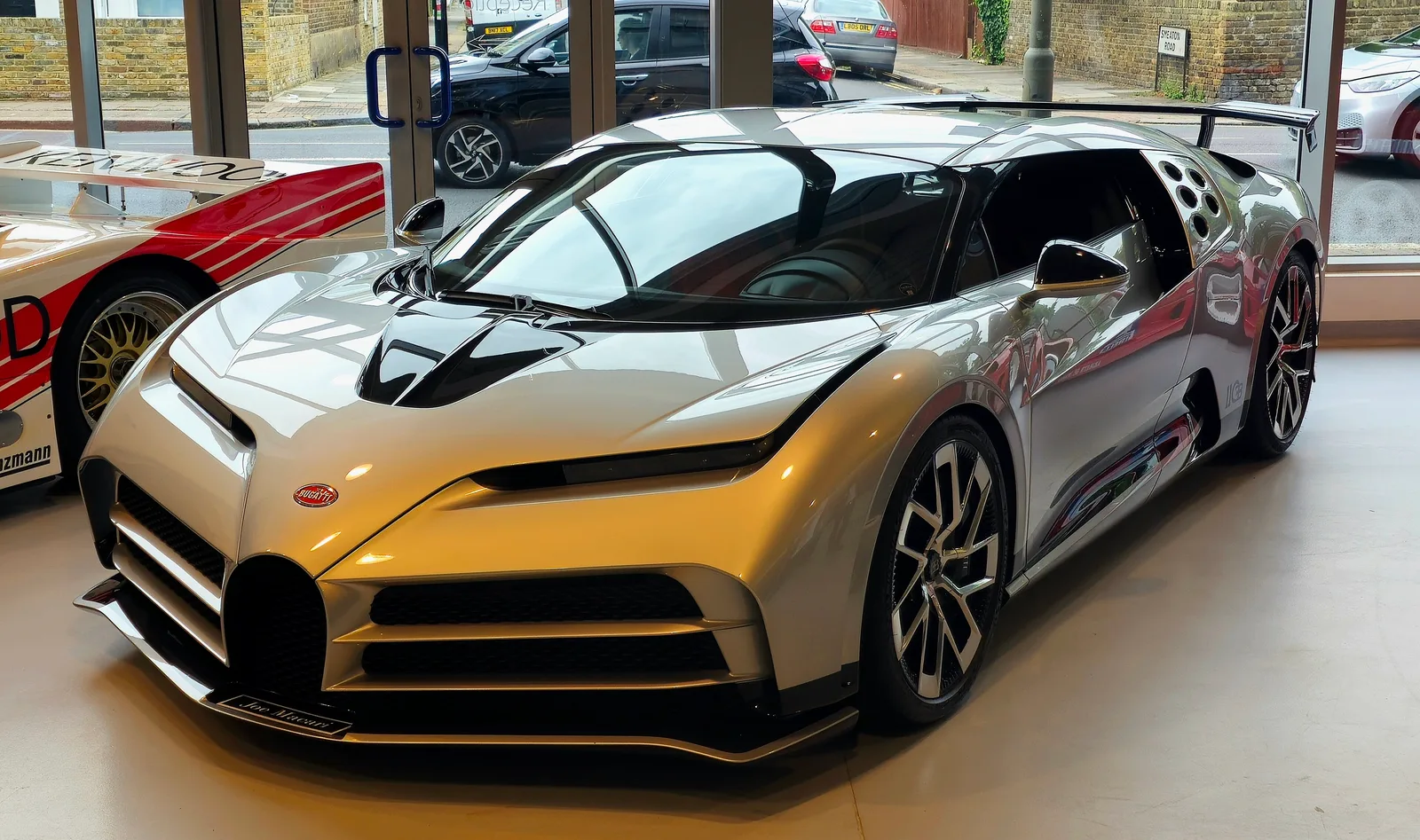
A Bugatti Centodieci, revealed at Monterey in 2019. This photo was taken in a showroom.
That sits badly with the idea that manufacturers go to Monterey to sell cars. The ten buyers were already in. What Bugatti did there was show them what they had bought, among the people who will have to buy the next series in a few years. For that purpose, 600,000 visitors are no advantage.
Monterey also has a form Geneva lacked. There is no foundation that has to recruit exhibitors to fill a hall. There are five auction houses, a concours on a golf course and The Quail, run by a hotel group. If a brand stays away for a year, no empty floor shows anywhere.
Who did not go to Monterey
It is tempting to say the manufacturers followed the cheque books. For a handful, that is right. In August 2026 RM Sotheby's sold the first Ferrari Luce in Monterey, the first electric model from the brand, for $40 million against a base price of about $640,000. The money went to the Ferrari Foundation. So the buyer was also making a gift, and the price says little about the Luce. But Ferrari did choose that room.
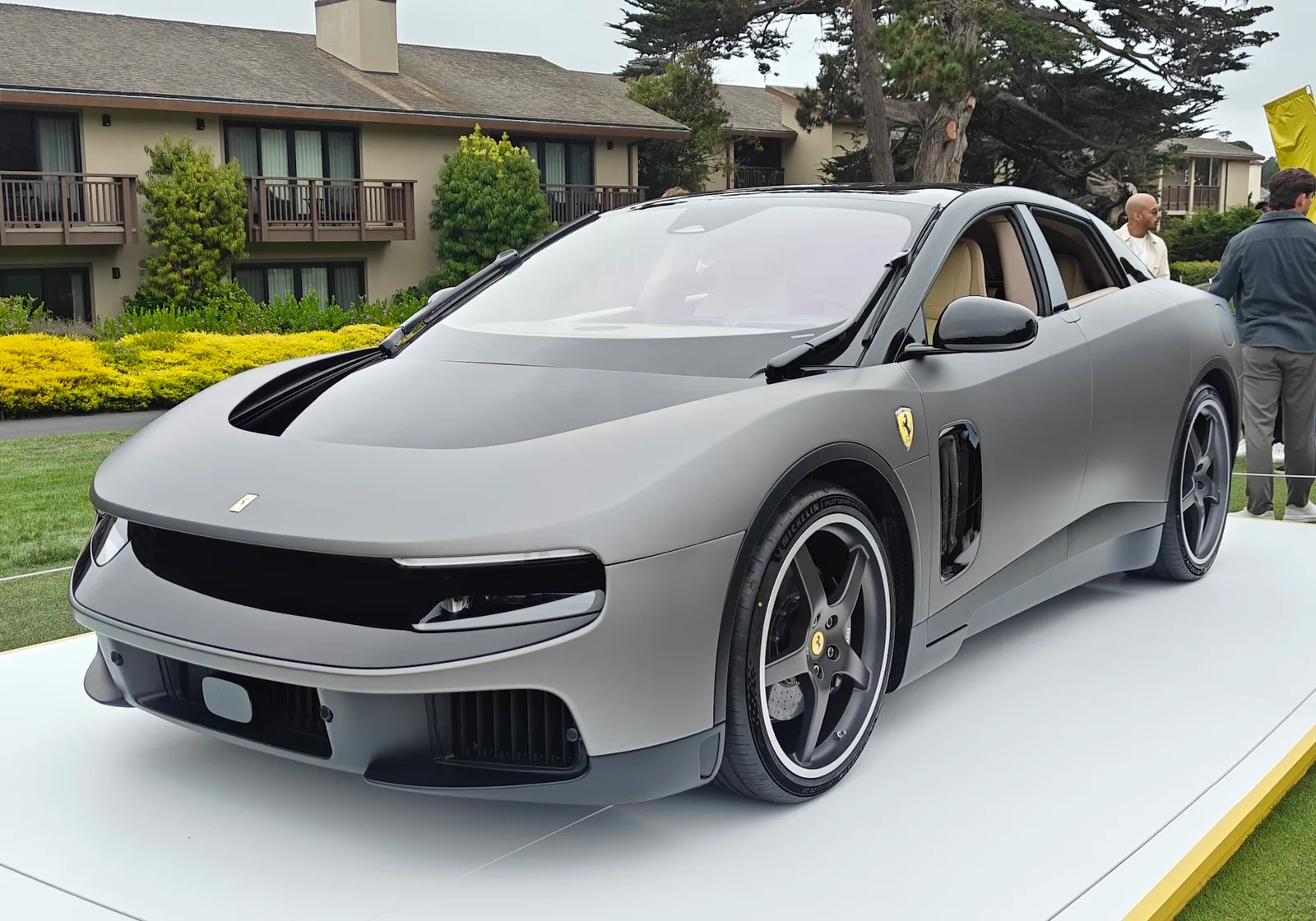
A Ferrari Luce at Pebble Beach in 2026. Not the auction car, but the same model.
For the rest of the industry this does not apply. A brand like Dacia has no business on a Californian golf course. Those brands did not move to Monterey. Their customers look at a phone, and that is the part of the internet story that holds. So the motor show has not been replaced. It has broken in two, and only the upper half still has a place where people meet.
Nor is Monterey itself a broad market. The Luce and a Shelby Cobra Daytona Coupe at $42.9 million made up 11% of the total between them. On an interim count, about three quarters of the lots sold. In one sample of 33 cars under $500,000, the price averaged 19% below estimate. Someone offering a €60,000 car gets little from that record.
One thing appears in no budget. At a show, a child could stand next to a Bugatti. Whether a phone does the same job, we will find out in thirty years or so.
A ticket to the last Geneva Motor Show cost CHF 25 for an adult and CHF 18 for a child. On the resale site Vivid Seats, tickets for The Quail on 14 August 2026 started at $2,750.
Images: Bugatti La Voiture Noire, GIMS 2019, Le Grand-Saconnex (GIMS0950) by Matti Blume (CC BY-SA 4.0); GIMS 2024, Le Grand-Saconnex (GIMS0035-2) by Matti Blume (CC BY-SA 4.0); Bugatti Centodieci 6 by Calreyn88 (CC BY-SA 4.0); 2027 Ferrari Luce, front left by Banhada (CC BY 4.0). Images resized.


