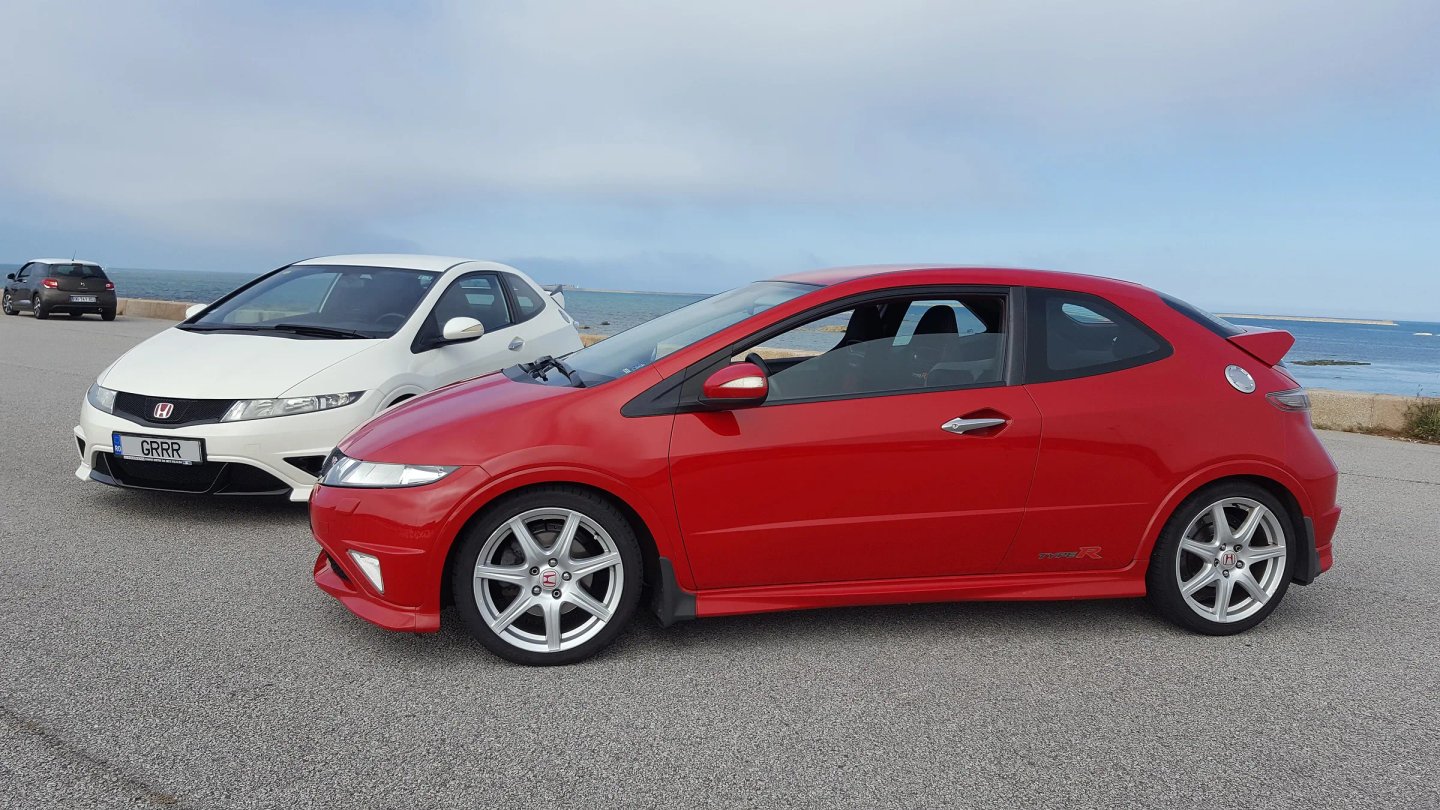
A 2010 Honda Civic Type R with 133,150 km at €17,300, and a 2007 Porsche Cayman S with 134,000 km at €15,500. Both were in European adverts on 3 November 2026. The Honda has 198 bhp and front-wheel drive. The Porsche has a 3.4-litre flat-six in the middle. On paper it should cost twice as much, and usually it does: other Cayman S models on the same page asked €35,000 to €44,000.
An asking price is not a sale, and one advert proves nothing. But whoever wants €15,500 for that Porsche has a reason, and the buyer needs to know it. This whole price band works that way. Every good enthusiast car under €25,000 is cheap for a particular reason. So this list is also a list of flaws. The picks are our opinion and not advice to any particular reader.
Who gets the discount
Labour economists call this a compensating differential. Adam Smith wrote in 1776 that dirty, hard or unpleasant work pays more, because otherwise nobody would do it. Sherwin Rosen later worked out who collects that premium. Its size is set by the last person who needs persuading. Someone who does not mind the work anyway gets the same premium and has nothing to put up with for it.
Cars work the same way. The discount on a flaw is set by the buyer who is only just willing. Someone who does not mind the flaw keeps the whole discount. Someone who does mind has no bargain: they have a lesser car for less money. The question with each car below is which of the two you are.
And flaws come in three kinds.
Flaws you feel every day
The Honda Civic Type R of the FN2 generation (2007-2011) is the clearest case. Honda replaced its predecessor's rear double wishbones with what evo calls a simpler, cheaper torsion-beam axle. The car weighed 1,267 kg, and evo's 2007 road test complained about the steering and the balance. On bumpy roads it never quite settled. The engine stayed what it was: 198 bhp, with its 142 lb ft arriving only at 5,600 rpm. An FN2 with 148,000 km was listed the same day at €7,900.
So the discount sits in the chassis.
Anyone who comes mainly for the engine and has smooth roads gets it for nothing. Anyone on broken tarmac every day pays for it. Watch also for the second-gear synchro and for rust at the roof edge and the rear axle.
The BMW Z4 3.0si has the same kind of flaw. The 265 PS straight-six is not the problem. The electric power steering is: GoAuto wrote in 2006 that it suited this engine even less, with kick-back through the wheel near the limit of grip. The run-flat tyres did the ride no favours. Owners often swap those tyres, though there is still no spare wheel. The steering cannot be swapped. On the Z4 forum, owners also point to the electric roof motor, which sits in the path of the drain water. Roadsters were listed from €14,950 (164,000 km) to €19,800 (138,000 km). The coupe only starts around €25,000.
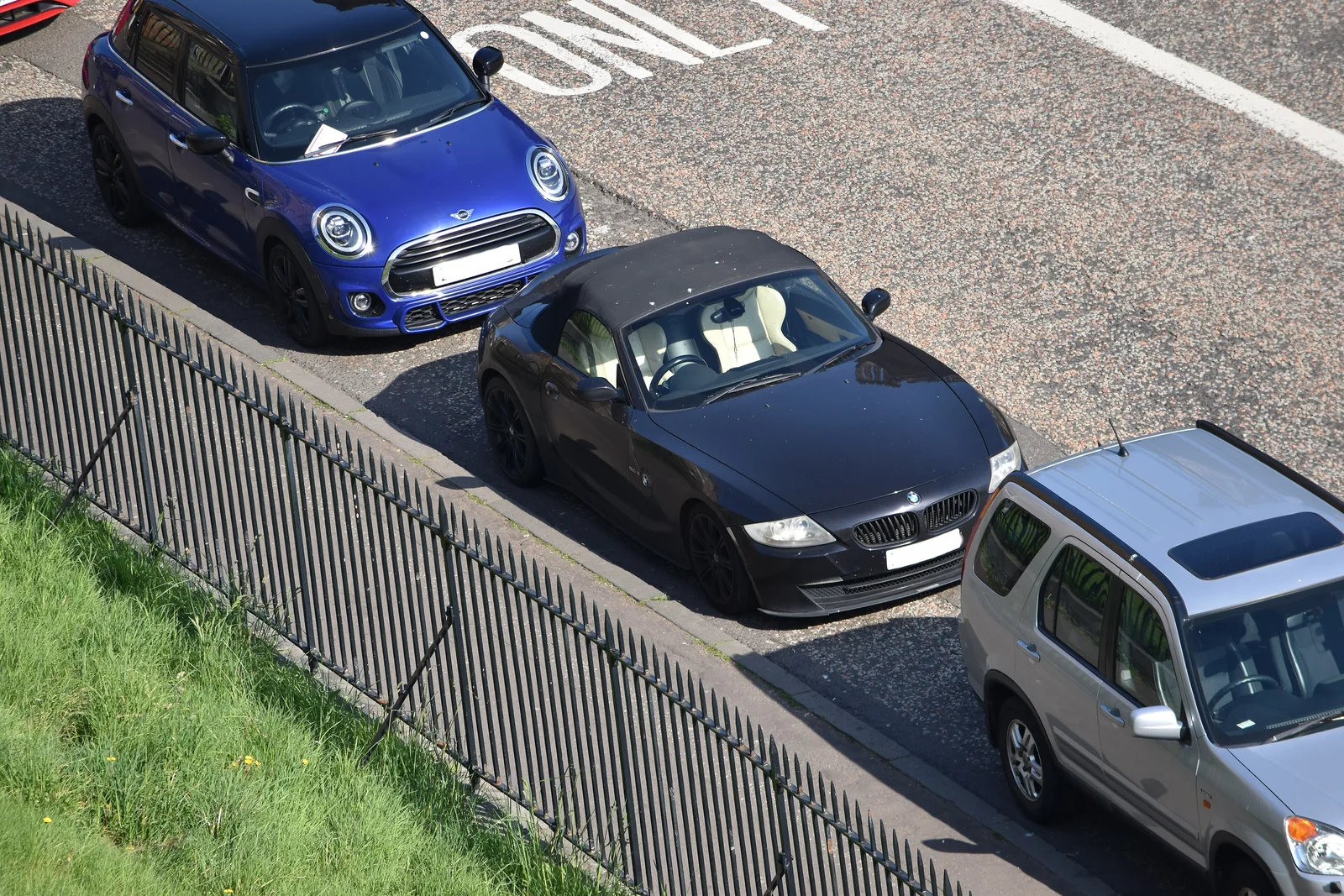
A 2006 Z4 3.0si Roadster of the E85 generation. Run-flats and no spare wheel come with this model.
Flaws that appear on an invoice
The Renault Mégane RS (the 250, 265 and 275 of 2010-2016) does not feel like that. In September 2020 PistonHeads praised its ride and body control and called its reliability pretty good. What it costs is written down: a cambelt every six years or 75,000 miles, front tyres that last around 8,000 miles at £150 to £200 each, and about £1,200 for the gearbox if the differential bearings wear. Routine servicing stays at £200 or less.
None of that explains a price starting at £6,000 in 2020 for a car that cost £23,730 new. Our reading is that the discount sits mainly in the badge on the nose. That makes it the cheapest discount on the list, because you hand it back to the next buyer when you sell. PistonHeads noted in 2021 that depreciation appeared to have stopped. A 2011 Monaco GP with 67,500 km was listed on 3 November 2026 at €17,000. Anyone who does not need to explain why they drive a Renault keeps the most here.
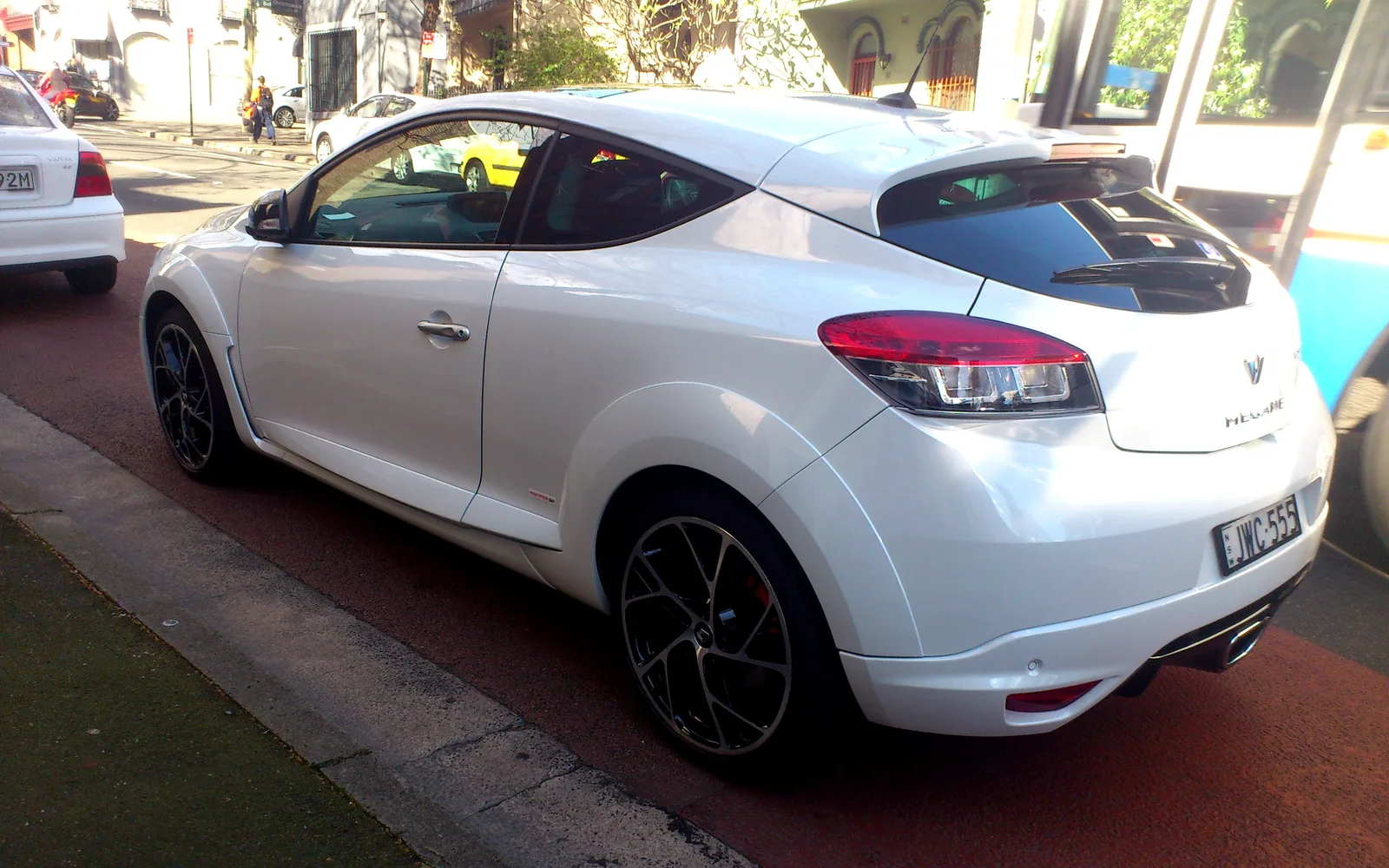
A Renault Mégane RS 250 Cup. The RS 250, 265 and 275 are based on the third-generation Mégane.
Flaws that may never come
Back to the €15,500 Cayman S. The best-known worry with the 3.4-litre 987 engine is bore scoring: scratches in the cylinder wall, with oil use, sooty tailpipes and sometimes a ticking noise as the signs. Specialists advise looking into the cylinders with a borescope before buying. On British Porsche forums, owners quote £4,000 to £7,500 for a repair and up to £20,000 for a new engine from a dealer. Those are old figures at forum level, but the scale is clear.
This is a different kind of flaw. Taste does not help here, because nobody is relaxed about a new engine. What a buyer can do here, alone on this list, is pay a little to change the odds. A borescope costs little and removes part of the doubt, though a clean cylinder shows how things are today and not how they will be in two years. Without that inspection this car is a lottery ticket.
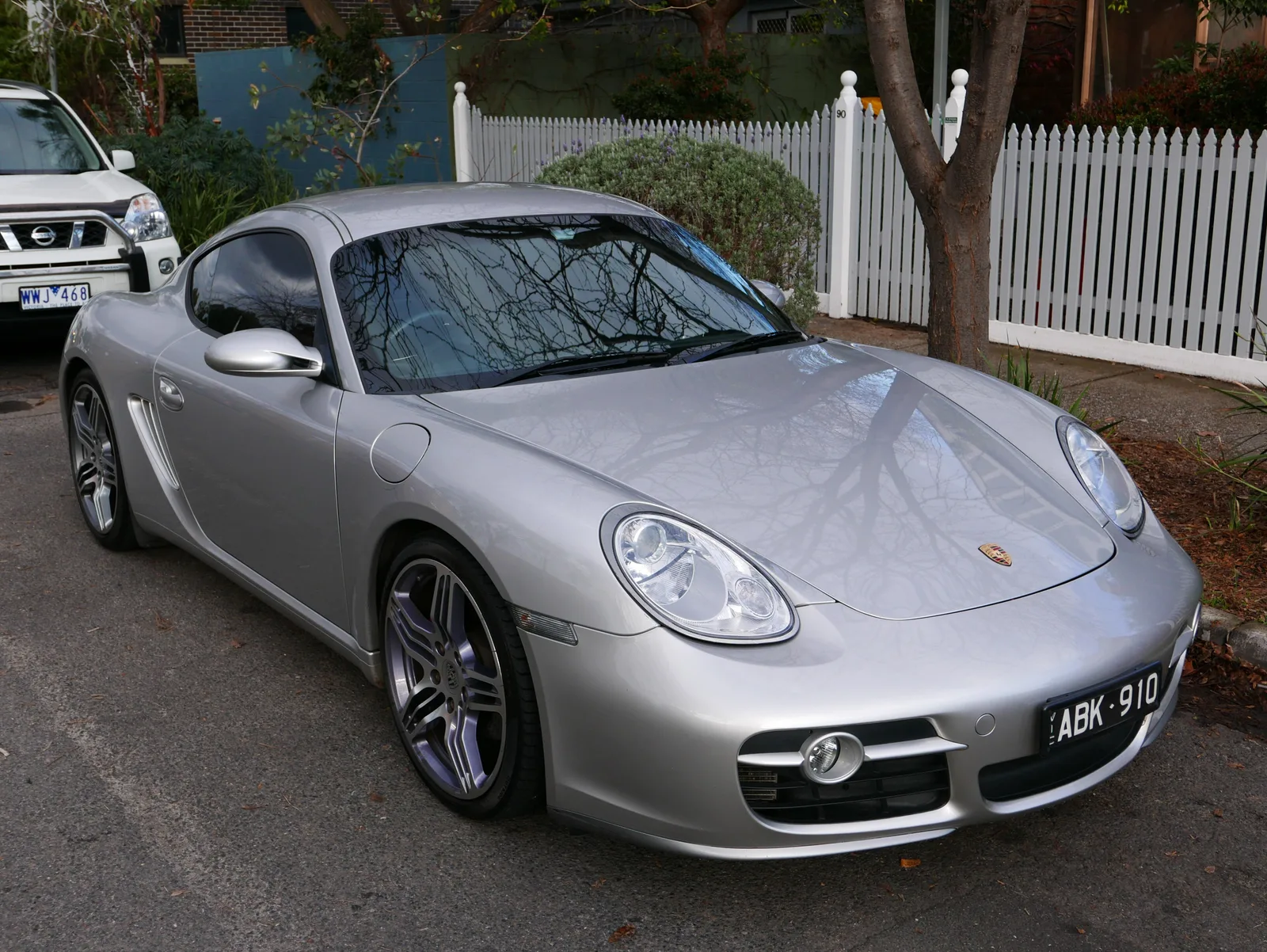
A 2006 Cayman S of the 987 generation, in Northcote, Australia.
Most 987s under €25,000 are not an S anyway. The same day, a 2007 Boxster 2.7 with 147,100 km was listed at €17,790, and in the Netherlands a 2007 Cayman 2.7 with 149,250 km at €24,987. The 2.7 has 239 PS and is seen as the lowest-risk engine. There the discount is for something else: less power, which is again a flaw you can weigh for yourself.
A discount arrives once and a flaw stays. Someone who buys an FN2 for the engine and after a year hates the rear axle sells it to the same market that set the discount, at the same lower price, less the transaction costs and what that year cost. They have had the flaw and passed the discount to the next person. These cars are only cheap for those who keep them.
Images: Honda Civic Type R (FN2) by Vincemcfly (CC BY-SA 4.0); BMW Z4 3.0si Roadster (E85, 2006) (52172153022) by Charles from Port Chester, New York (CC BY 2.0); Renault Sport Megane RS 250 Cup by FotoSleuth (CC BY 2.0); 2006 Porsche Cayman (987) S coupe (2015-06-03) 01 by OSX (public domain). Images resized.


