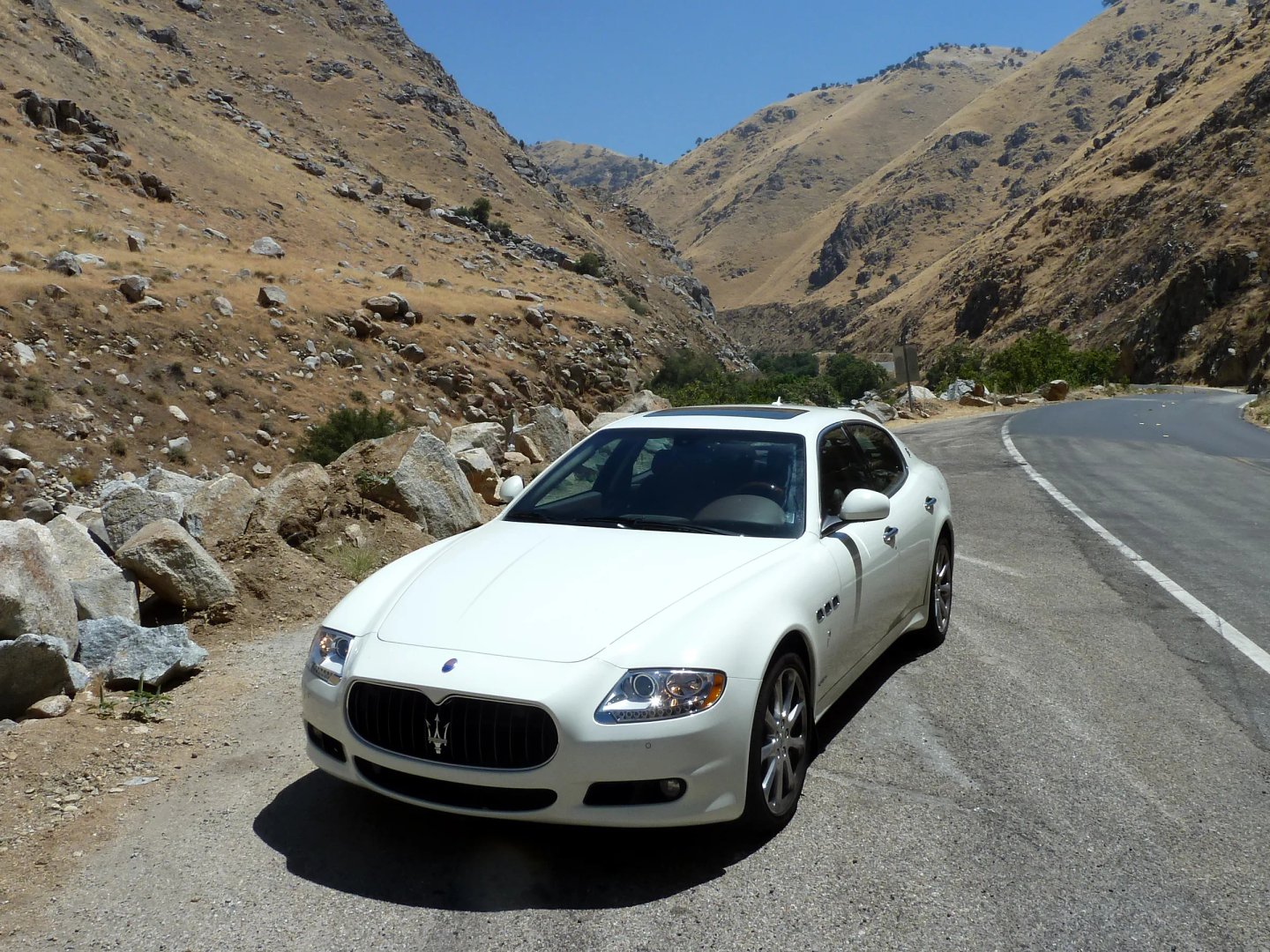
Six thousand pounds. That was evo's floor in January 2025 for a Maserati Quattroporte V, a car that cost £69,995 new in 2004. For that money you usually get high mileage and a patchy service history, because owners cut back on servicing as values fell. In the same article Andy Heywood of the specialist McGrath Maserati says a car from a meticulous owner will probably cost only a thousand or so more than one that has had a much harder life.
Now put the bills from that article next to it. The big service, every four years: about £2,000 on an early car. Clutch with a new flywheel: about £3,000, and the clutch usually lasts 20,000 to 30,000 miles. Cam variators: about £5,000, although many cars have had them done. The price gap pays for half of one big service. A £3,000 clutch was 4% of the new price and is half of the floor price.
How a company takeover handles this
When a company is sold, the price is set in two steps. First comes its value as if it had no debts. Then the debts come off, euro for euro. The argument is over what counts as debt. Besides loans there are debt-like items, things that are not formally a loan but will cost money after the deal. In an overview from March 2022, Grant Thornton lists underspent capex as a candidate: investment the company should have made and put off. A factory that spends too little on its machines for years shows better profits than it earns. The buyer wants that treated as debt and the seller does not.
A car is that factory. The owner who skips a big service keeps £2,000 that year and the car carries on driving. They have borrowed the £2,000 from the next owner.
Working out the debt
A buyer can do this at home. Anything that wears builds up debt by the mile or by the year, even before it fails. A £3,000 clutch lasting 25,000 miles costs 12p a mile. The big service costs £500 a year. That lets you compare two cars. The example below is invented, and the figures per item come from evo.
Car A costs £6,000. The last invoice for a big service is four years old, the clutch was last replaced 20,000 miles ago, and nothing is known about the variators.
- Big service: £2,000
- Clutch: £2,400
- Variators, half of £5,000 because nobody knows: £2,500
Car B costs £7,000. Big service a year ago, clutch 5,000 miles ago, variators replaced, with an invoice.
- Big service: £500
- Clutch: £600
- Variators: £0
A car on a lift in a workshop, where a big service or a new clutch gets done.
Car A carries £6,900 of debt and car B £1,100. The difference is £5,800 and the price differs by £1,000. Add price and debt together and A costs £12,900 and B £8,100. The cheap car is £4,800 dearer here, and it owes more than it costs.
So car B is not free of debt. The day after a big service, the next one starts to run. Some of the uncertainty can also be bought off: evo mentions an inspection of about £300, in which Maserati diagnostic equipment reads the remaining life of the clutch.
Why both sides round it down
The seller counts what is broken. A clutch with 20,000 miles on it is fine as far as they are concerned, because it works. They can say so without lying. The buyer counts what they pay today and compares the listing with the ones beside it. Someone looking for the cheapest Quattroporte has not budgeted £6,900 for what comes next.
Some research points that way. Hunt Allcott and Nathan Wozny looked at about 86 million US car transactions and found buyers treat a dollar of future fuel costs the same as 76 cents of purchase price. James Sallee, Sarah West and Wei Fan, using wholesale auction data, found used car prices take those costs in fully. Fuel is also the easy item: a roughly known sum every month. A clutch is one bill on an unknown date.
This is one model and one specialist's estimate. The 3200 GT looks different. Hagerty UK in August 2022 put the cheapest cars at £10,000 and low-mileage cars with full history at £20,000. That gap can pay for the belts (every three years or 31,000 miles), the rear chain (at 68,000 miles, and often skipped because it is expensive) and £2,000 of front suspension, although mileage is part of that £10,000 as well. It has to be worked out car by car.
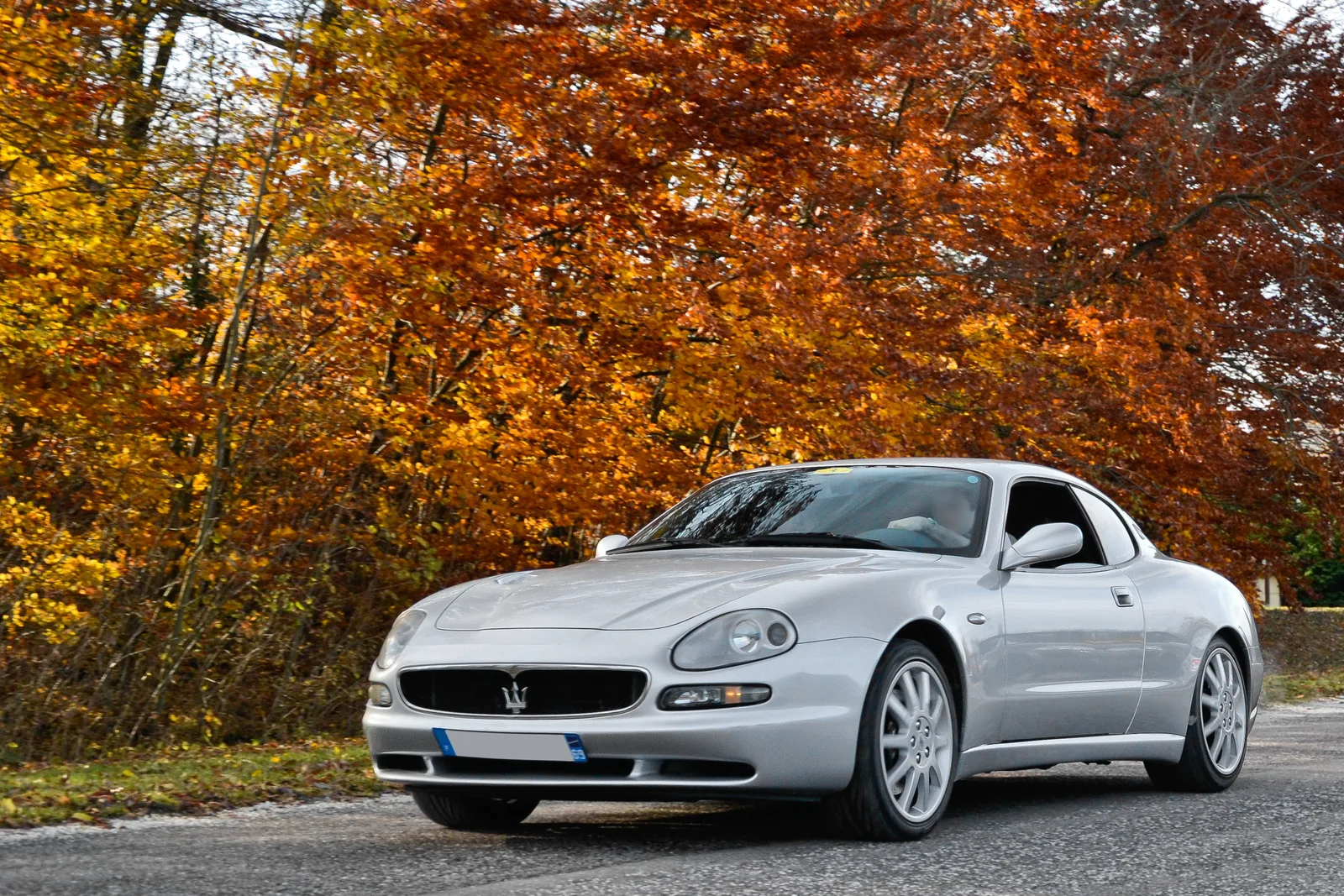
A Maserati 3200 GT, built from 1998 to 2002.
Why does the cheap car not fall further? A company with more debt than value goes bankrupt and its creditors take over. A car just goes to the next buyer. The owner of car A can drive until the first big bill and then sell to someone who also counts what is broken. The debt goes along, and the price holds for as long as such a person exists.
Two people should act on this. The buyer who means to keep the car should take the dearer one, and in this example can bid up to £4,800 more before A becomes the better deal. The seller who has done the maintenance will not get their £5,800 back by itself. While the market pays a thousand pounds, they have to put the sum in their own listing, with the invoices beside it. Nobody else is going to do it for them.
Images: 2011-0718-MaseratiQuattroporte by Bobak Ha'Eri (CC BY 3.0); Photo by SL Autowerkes on Unsplash; Maserati 3200 GT - Flickr - Alexandre Prévot (3) by Alexandre Prévot from Nancy, France (CC BY-SA 2.0). Images resized.

