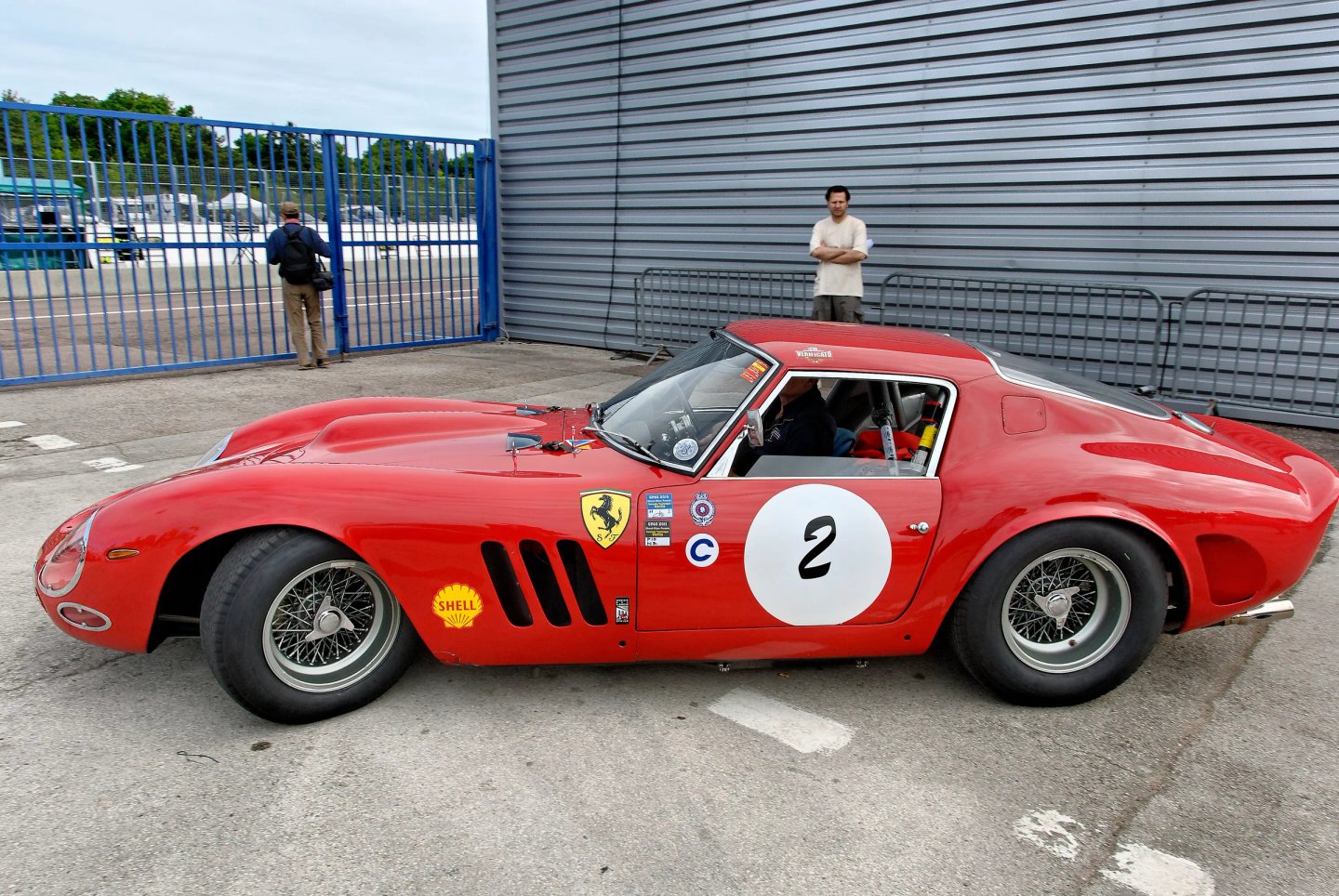
In January 1990 the Swiss collector Bert Steiger bought a Ferrari 330 GTO, chassis 4561, for $17 million and sold it on to Mitsubishi Bank. On 26 May 1987 the same car had gone for about $1.57 million at Christie's in Monte Carlo. The bank backed out. Steiger was left holding the car, and once the market had collapsed it went to another Swiss buyer for 5 million francs, about $3.2 million.
That is how Michael Sheehan tells it. He is an American Ferrari dealer who was trading heavily at the time, and the account comes from his column in Sports Car Market in October 2007. In the same column he puts the car at about $12 million. Seventeen years on, an owner who never had to sell would still not have been back at the 1990 price.
A crash mixes up two things. Price risk is the chance a car becomes worth less. Forced selling is the chance you have to sell while it is. The first stays a number for as long as you keep the car. The second turns that number into a loss. An owner who can choose when to sell has only the first problem.
How the price got there
Sheehan gives the way up with dates, because his own company took part. On 17 August 1987 European Auto Sales bought a 1957 Ferrari 250 Testa Rossa, chassis 0732, for $1.5 million. A month later, still unrestored, it went to a Japanese speculator for $95,000 more. On 13 October 1988, by now restored, the company bought it back for $2.5 million and sold it the same day to an American speculator for $3.5 million. On 16 June 1989 it brokered the sale to an Italian for $4.5 million.
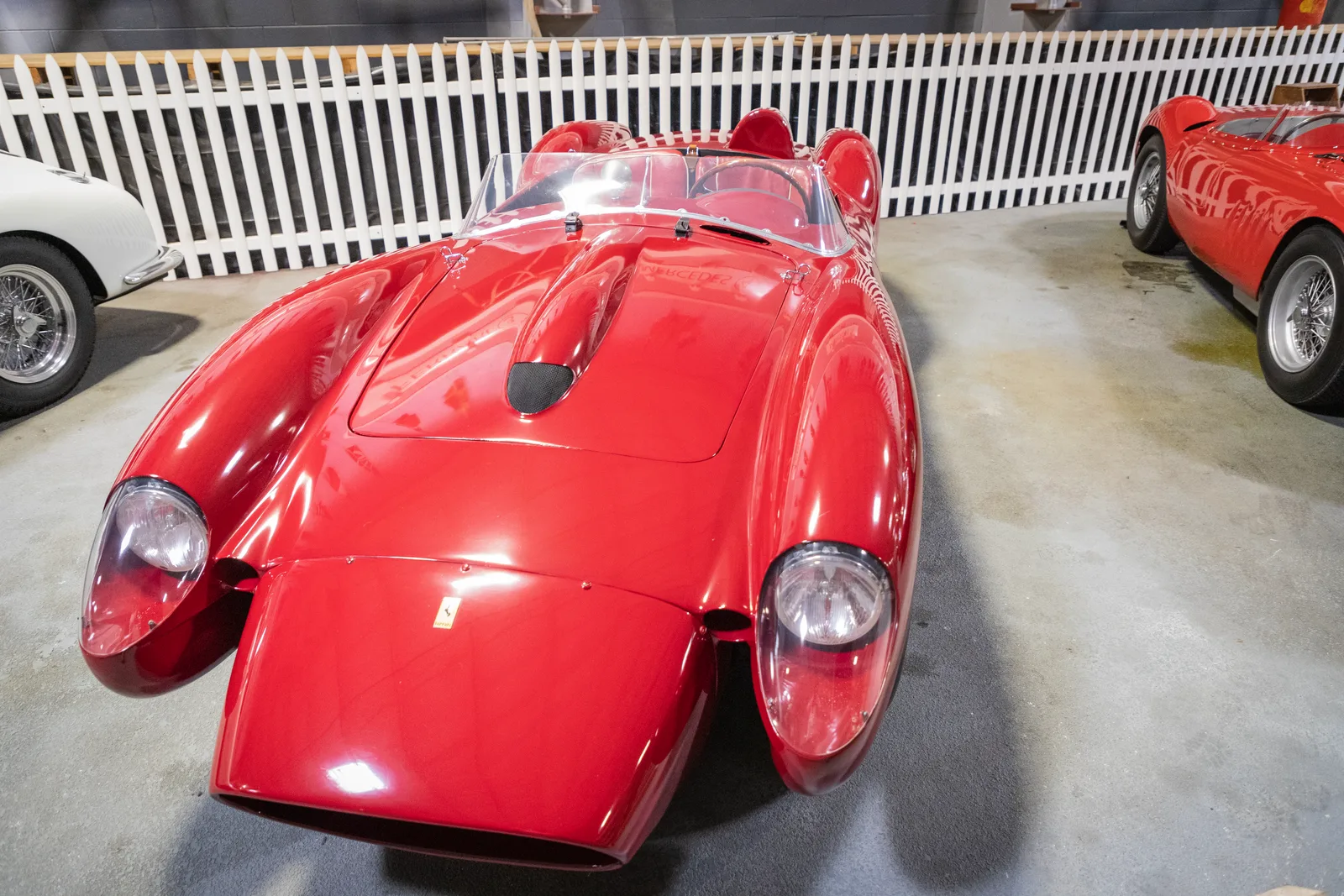
A 1957 Ferrari 250 Testa Rossa, chassis 0710, in the Simeone museum in Philadelphia. Chassis 0732 is from the same series.
Five transactions in 22 months, and the price tripled. Ferrari prices doubled every year from 1986 to 1989, according to Sheehan. Much of the money came from Japan, where banks lent more than 100% of the appraised value of property. People who felt rich as a result bought real estate and cars abroad. The Nikkei peaked at 38,915.87 on 29 December 1989.
What the fall did, car by car
Sheehan's benchmark is a good Daytona: $500,000 at the end of 1989, $125,000 in 1994. A slow climb began in 1995.
Take two 275 GTB/4s his company sold to Japanese buyers in 1989, for $965,000 and $1 million. In the mid-1990s both came back to the US at about $250,000 each. He does not say why they left Japan. What selling cost at that moment is clear: three quarters of the purchase price. Anyone who could have sat tight would in 2007, on Sheehan's estimate, have owned a car worth about $850,000. That is eighteen years later and still less than they paid.
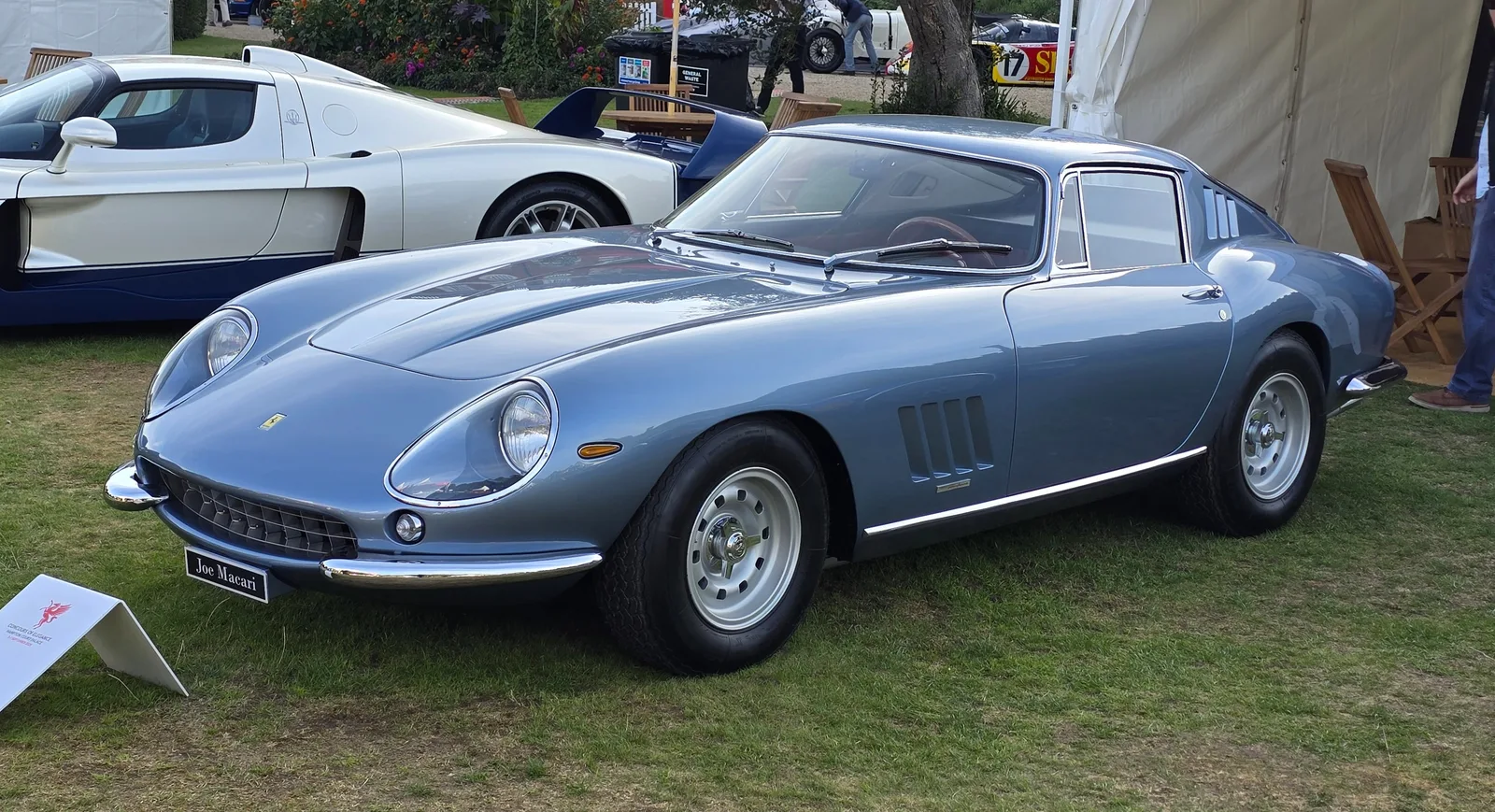
A 1967 Ferrari 275 GTB/4 at the Hampton Court Concours in 2025.
The Ferrari F40 arrived at the top of that market. Sports Car Market gives a US list price of around $250,000, with European cars changing hands for a million dollars. The collapse began within months of the first deliveries. Speculators walked away from their deposits when the market fell below their contract prices, and the last new F40s could be had at list. On 18 August 2001 a 1991 F40 made $344,300 with commission at RM in Monterey. In 2016, also in Monterey, a 1990 car sold for $1,265,000. Someone who paid that million around 1989 and waited 27 years was just back level, at under 1% a year, before storage, insurance and servicing.
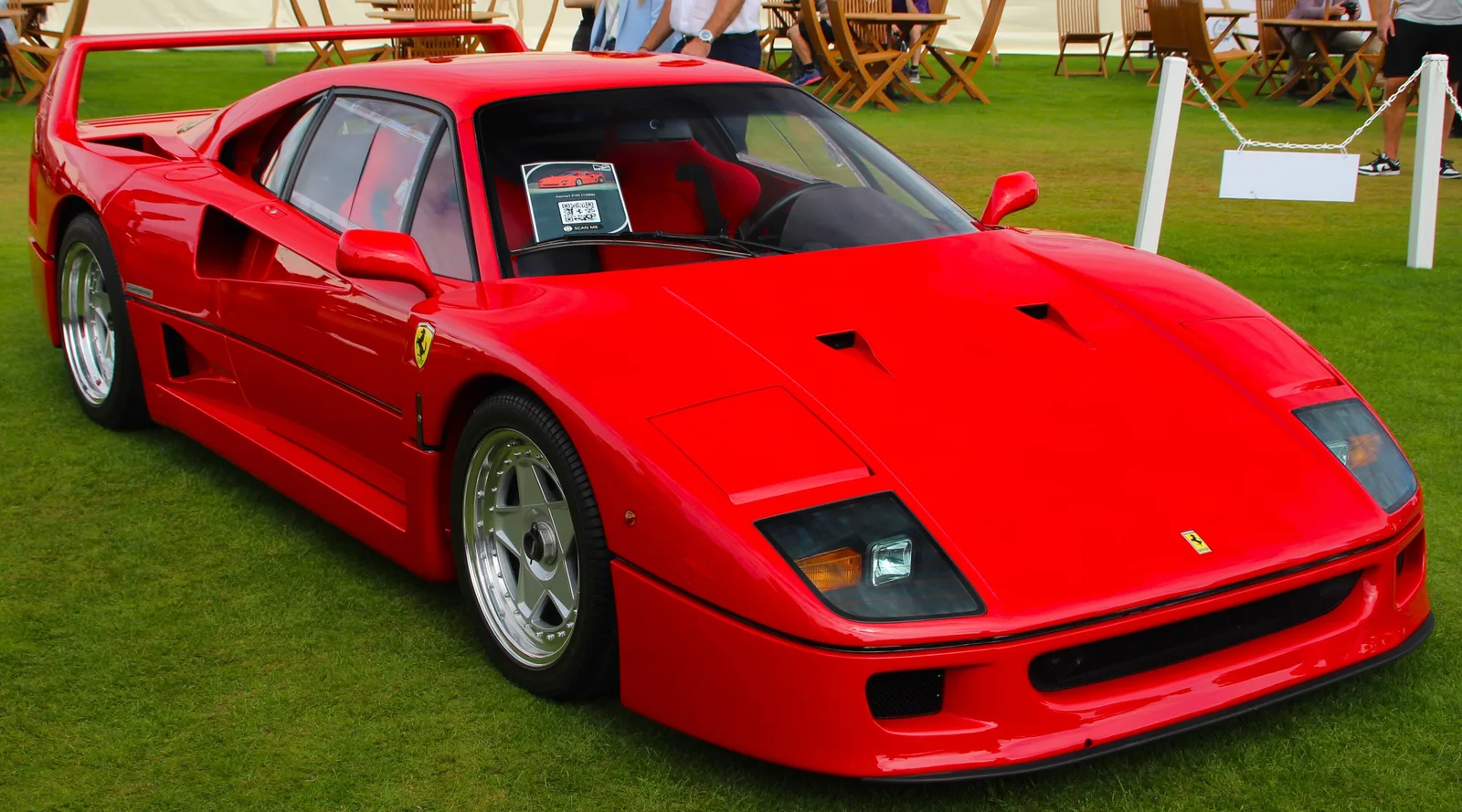
A Ferrari F40 at Salon Privé in 2023.
Who buys when someone has to sell
In none of these stories does the pressure come from the car. For Steiger it came from a counterparty who pulled out. With the F40 it came from a contract that had become too expensive. For the Japanese buyers the collateral may have played a part, since the property behind their loans lost much of its value in the same years.
Andrei Shleifer and Robert Vishny wrote about what happens next in 1992, with companies as their subject. A fire sale is a forced sale below the normal price, and the price falls further because the parties who would pay most are struggling for money themselves at that moment. That fits a 330 GTO. Few people can bid millions, and some of them had just been hit by the same crash. So $3.2 million says less about the car than about who could pay that year. After that, everyone uses it as a comparison anyway, including the owner with no need to sell.
What waiting costs
The obvious advice is to sit tight. There are two objections.
Not every car recovered at the same speed. According to the Dutch magazine Auto Motor Klassiek, a 250 GTO went to a Japanese buyer for $14.6 million in 1989, made $5.5 million in Las Vegas in 1991 and $28.5 million in 2008. The first cars to come back, wrote the Ferrari specialist Wayne Ausbrooks, were top-tier models, mainly competition and coachbuilt cars. Chassis 4561 has no race history, which is Sheehan's reason for it staying below $17 million in 2007.
Waiting also costs money. Sheehan worked out that $17 million, at a 7% annual cost of money, needed to become about $47 million just to keep pace. His estimate for the car was $12 million. The owner who could wait avoided the fire sale and paid for it in years. That is a smaller loss than Steiger's. It is still a loss.
How long the next fall will last, and which cars will come back first, nobody knows. Eighteen years was not enough for a 275 GTB/4 and 27 years was just enough for an F40. The one line an owner can fill in beforehand is what would force a sale in a year like that: a loan on the car, a business that suddenly needs cash, a divorce. Whether that list still holds in the bad year cannot be known in advance.
Images: FERRARI 330 GTO (5888147355) by ZANTAFIO56 from FRANCE (CC BY-SA 2.0); 1957 Ferrari 250 Testa Rossa (Simeone) 03 by Al R (CC BY-SA 2.0); 1967 Ferrari 275 GTB4 HCC25 by MrWalkr (CC BY-SA 4.0); 1989 Ferrari F40 by MrWalkr (CC BY-SA 4.0). Images resized.


