Ferrari built 30 examples of the 599 GTB with a manual gearbox. On 14 March 2015, one sold at RM Sotheby's in Amelia Island for $682,000, against an estimate of $200,000 to $275,000. In 2017 another manual 599 made $412,500 at Fort Lauderdale. In 2021 a third, with under 3,200 miles on it, made $692,500 back at Amelia Island.
Those are three cars, so this is not a price chart. But the 2015 buyer owned, two years later, a car of which 30 exist and, had they needed to sell then, possibly a loss of $269,500. By 2021 they were roughly back at their purchase price, six years of storage and insurance further on.
Rarity heads every auction catalogue. It tells you how many cars there are. It says little about what happens when the two bidders you need do not turn up in the same year. So this list starts somewhere else.
What you lose if you are wrong
In The Intelligent Investor, Benjamin Graham called it the margin of safety: the room between what you pay and what you still have if your analysis fails. He was writing about shares and bonds, which pay you something while you wait. A car pays nothing. With a car that room has to come from a low stake, from the use you get in the meantime and from buyers who will still exist in five years.
That gives three questions. The first is arithmetic: how much do you lose if the price drops 20%? On a €35,000 car it is €7,000, on a €130,000 car it is €26,000. The second is whether you can use the car meanwhile without every kilometre pulling the price down. The third rarely gets asked, because it rarely has a number attached: how many of these cars change hands in a year?
For the Netherlands you can look that up in the open vehicle register kept by the RDW, the Dutch vehicle authority. This is what it held on 3 November 2026, leaving out exported cars: the number registered, then the number that moved to a new name in the previous twelve months.
- Honda S2000: 663, with 54 moving to a new name
- Ferrari 599: 133, with 25
- Audi R8, first generation: 73, with 16
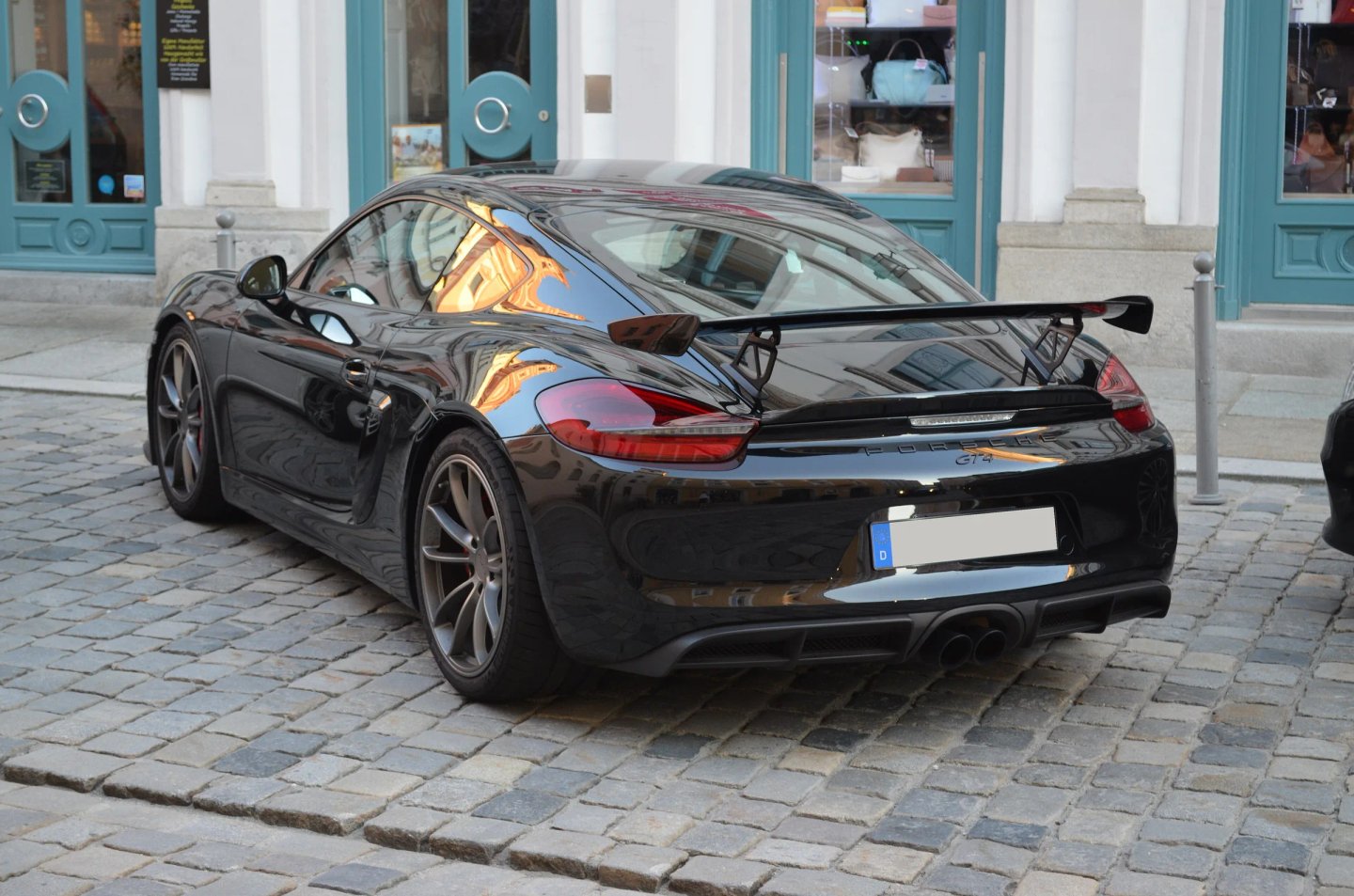
- Porsche Cayman GT4 (981): 58, with 12
- Aston Martin V12 Vantage, all years: 46, with 9
A register is not a sales ledger. Dealers are in there, and buyers also come from Germany and Belgium. It does give an order of magnitude. A Cayman GT4 changes owner in the Netherlands about once a month. A seller in a hurry gets little comfort from that, however much people want the car.
What we would watch
The Honda S2000 passes the test most easily. The stake is low and there are plenty of them. Anyone who drives one for ten years while the price does nothing has little to complain about. Hagerty counts 672 sales for the 2004 to 2009 model years. A 2000 AP1 made $45,150 in March 2026, while seven AP1s were listed on JDM Buy Sell in May 2026 at $21,800 to $38,995. We would watch that gap. Grassroots Motorsports wrote that the best cars are passing $45,000 while the rest stand still. If that holds, an ordinary S2000 is a car that roughly keeps its price. For something you drive, that is a lot.
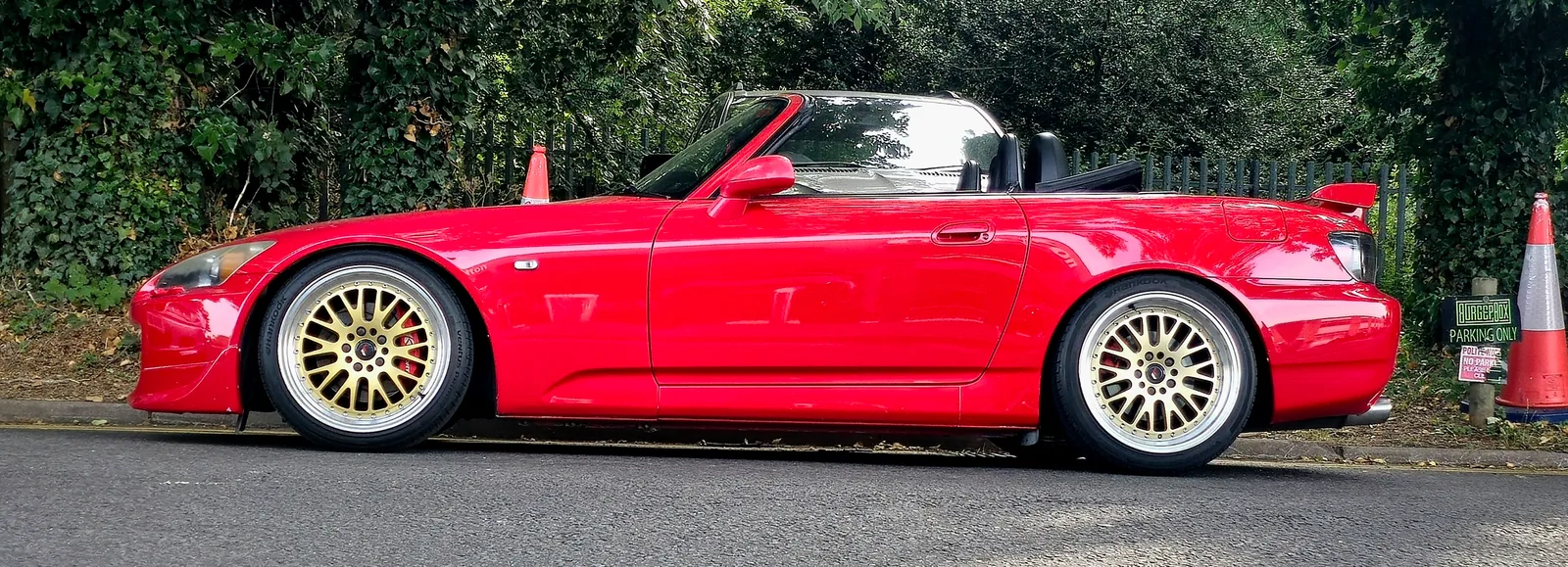
A 2005 Honda S2000 on non-original wheels.
The 981 Cayman GT4 has the clearest signal, which is also the problem. The newsletter RennPulse tracks sales on Bring a Trailer, Cars & Bids and PCarMarket. On 14 July 2026 it reported an average of $99,324 for the second half of 2025 and $105,569 for 2026 so far. The newer 718 GT4 averaged $20,400 more in 2026, against about $27,000 over the full period. So the older car is catching up. The smaller that gap gets, the more a buyer is paying for the opinion that the 981 is the better car. That opinion may be right, but the room for being wrong shrinks with it. RennPulse does not explain its method, and these are American prices.
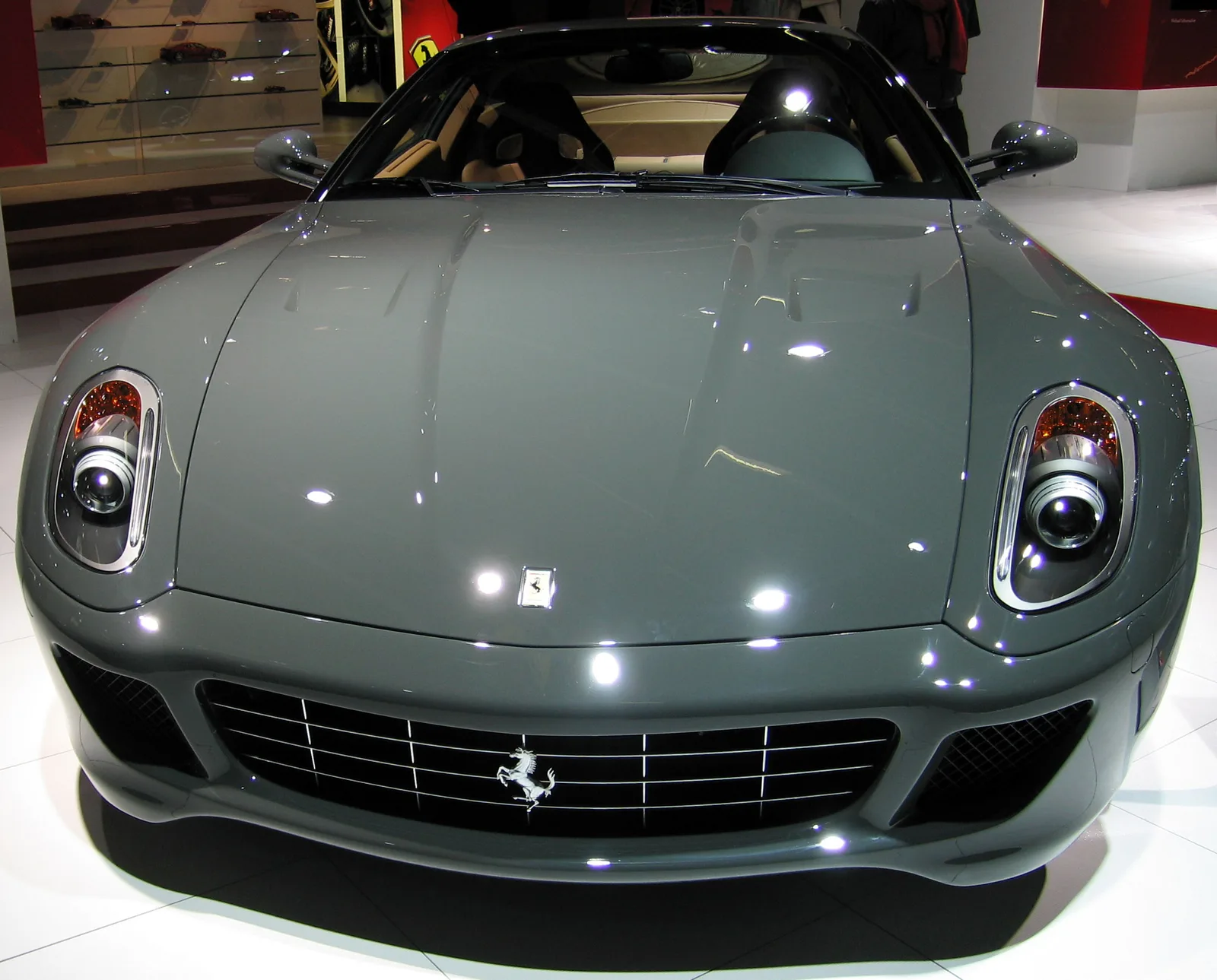
A 599 GTB Fiorano at the 2007 Frankfurt motor show.
The ordinary 599, with the F1 gearbox, is here because of those 25 changes of owner and in spite of question one. A 2007 car made €132,000 in Italy in July 2026, close to the average according to The Classic Valuer. That site reports a median since 2020 of £112,543 for the 599 GTB and £479,460 for the manual. The engine and the body are the same, and the manual costs more than four times as much. We would watch whether that ratio moves. If it falls, either the manuals were too dear or the others too cheap. There is a case for both. This remains the car on the list where a mistake costs the most.
What dropped off
The Audi R8 V10 manual was on our first list. How many were built we could only find in adverts: 228 according to a British seller, 212 coupes for the United States according to an American one. The only European price we found was an estimate, £45,000 to £50,000 for a 2010 V10 manual at Iconic's Silverstone sale in August 2025. A buyer who cannot establish the premium for the manual today will struggle to prove it when selling.
The Aston Martin V12 Vantage dropped off for a similar reason. Hypercars counts 202 sales from 2010 to 2018, at prices from $56,400 to $273,500. A range that wide means several different cars are sharing a name, and nine changes of owner a year in the Netherlands leave little to compare with. That says nothing about the car. We just cannot support a figure for what it is worth.
What this list does not solve
None of these five is on the Bull Market list Hagerty published on 8 December 2025. The only Porsche on it is a Carrera GT. That proves nothing against our choice, but it is a reminder that this is our own opinion and not advice to anyone.
The biggest risk is that the three remaining cars lean on the same buyers: people who wanted them around 2005 and have the money now. If those people choose something else, all three fall together. Three cars are then no diversification at all.
And most of our prices are not from here. They come from American and British sales, because that is where the data is. We now know how often an S2000 moves to a new name in the Netherlands. We do not know for how much.
Images: Porsche Cayman GT4 front by 6godszoke (CC BY-SA 4.0); Honda S2000 2005 by Calreyn88 (CC BY-SA 4.0); Ferrari 599 GTB Fiorano front by LSDSL (CC BY-SA 2.0 de). Images resized.


